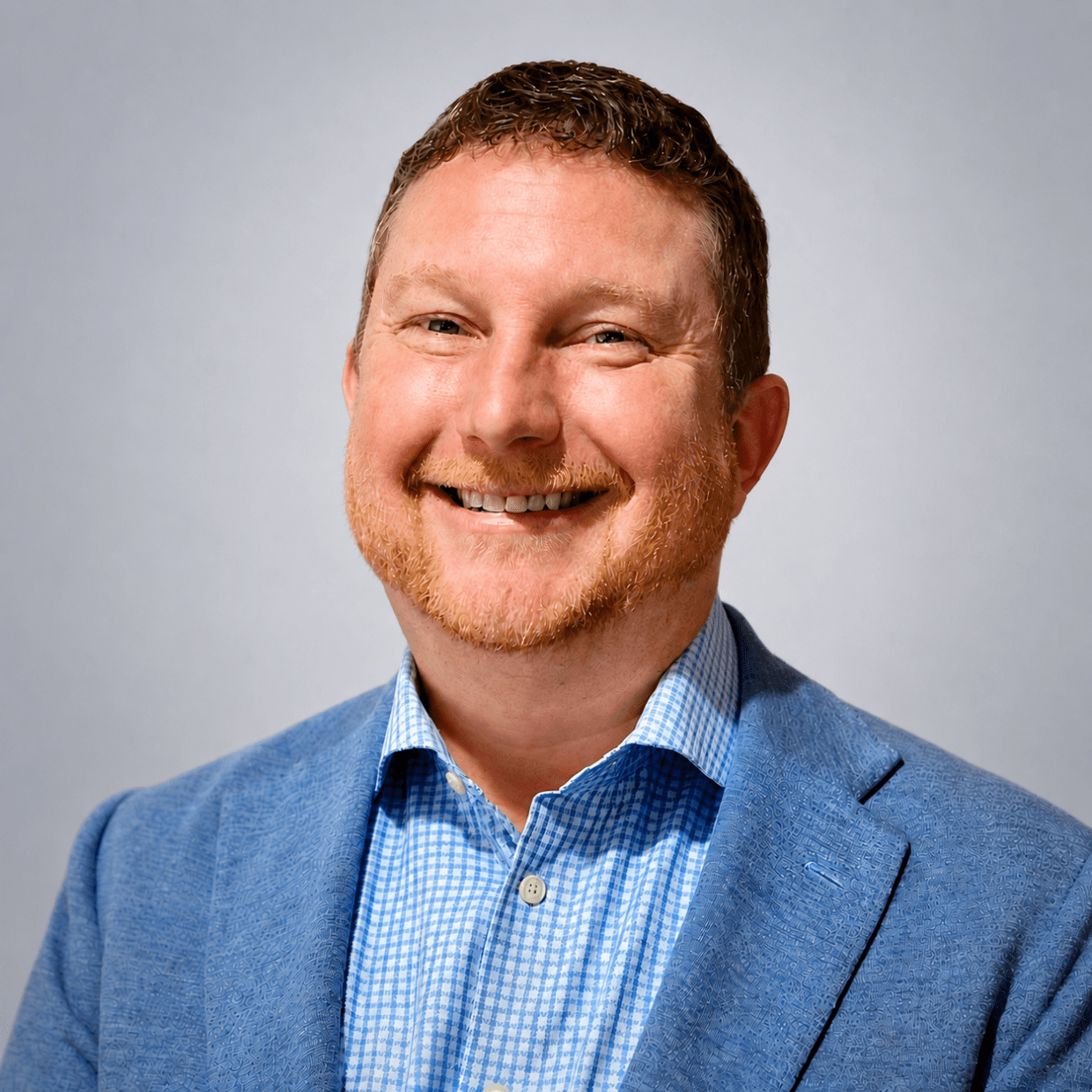
Over his 25-year career as a human resources executive, Matthew Owenby, chief administrative officer at Aflac, has come to view benefits not as "standalone functions," but "levers for driving long-term value, aligning workforce strategy, operations and governance."
This outlook helps drive major improvement, such as "redesigning retirement and compensation programs that generated more than $500 million in savings while strengthening plan sustainability and participant outcomes," Owenby said.
His propensity to focus on benefits as part of overall business and wellness strategies has been instrumental in shaping a longer-term plan for Aflac's workforce and the enterprise itself.
"We've deliberately shifted from a traditional, reactive model to a more proactive, forward-looking approach," he said. "Rather than making incremental changes year over year, we built a disciplined strategy that looks two to three years ahead — grounded in data, market intelligence, and ongoing input from employees, vendors, and leadership. This allows us to anticipate workforce needs early, identify gaps in care and coverage, and design solutions that balance employee value with long-term cost sustainability."
The result of this change on employees has been noticeably positive as well.
"From an impact standpoint, we've seen meaningful improvements in how employees experience and engage with their benefits," Owenby said. "Through more targeted offerings, stronger education, and multichannel communication, employees reported feeling more informed and confident in their decisions and we achieved strong participation in our enrollment process."
This sustainable model strategy "reflects our philosophy that if we take care of employees in a thoughtful, strategic way, it strengthens both their well-being and the long-term performance of the organization," he explained.
Looking ahead, Owenby plans to focus on elevating HR to operate as a strategic partner "by consolidating HR business partners into more strategic talent leaders, and building a deeper bench of human capital problem-solvers who can flex across the organization to address emerging priorities, with a goal of create a more agile, responsive HR function that can operate at the pace of the business," he said.
He's also prioritizing broader workforce success strategies.
"A key focus is optimizing workforce performance through more disciplined workforce planning, organization design and succession strategies. That includes building forward-looking workforce models that anticipate both the number of roles and the skills required to support the business — not just today, but over the next several years."
Matthew will be honored at EBN's Benefits at Work conference in September, which you can