As Ozempic costs fall, demand for weight-loss drugs is set to surge

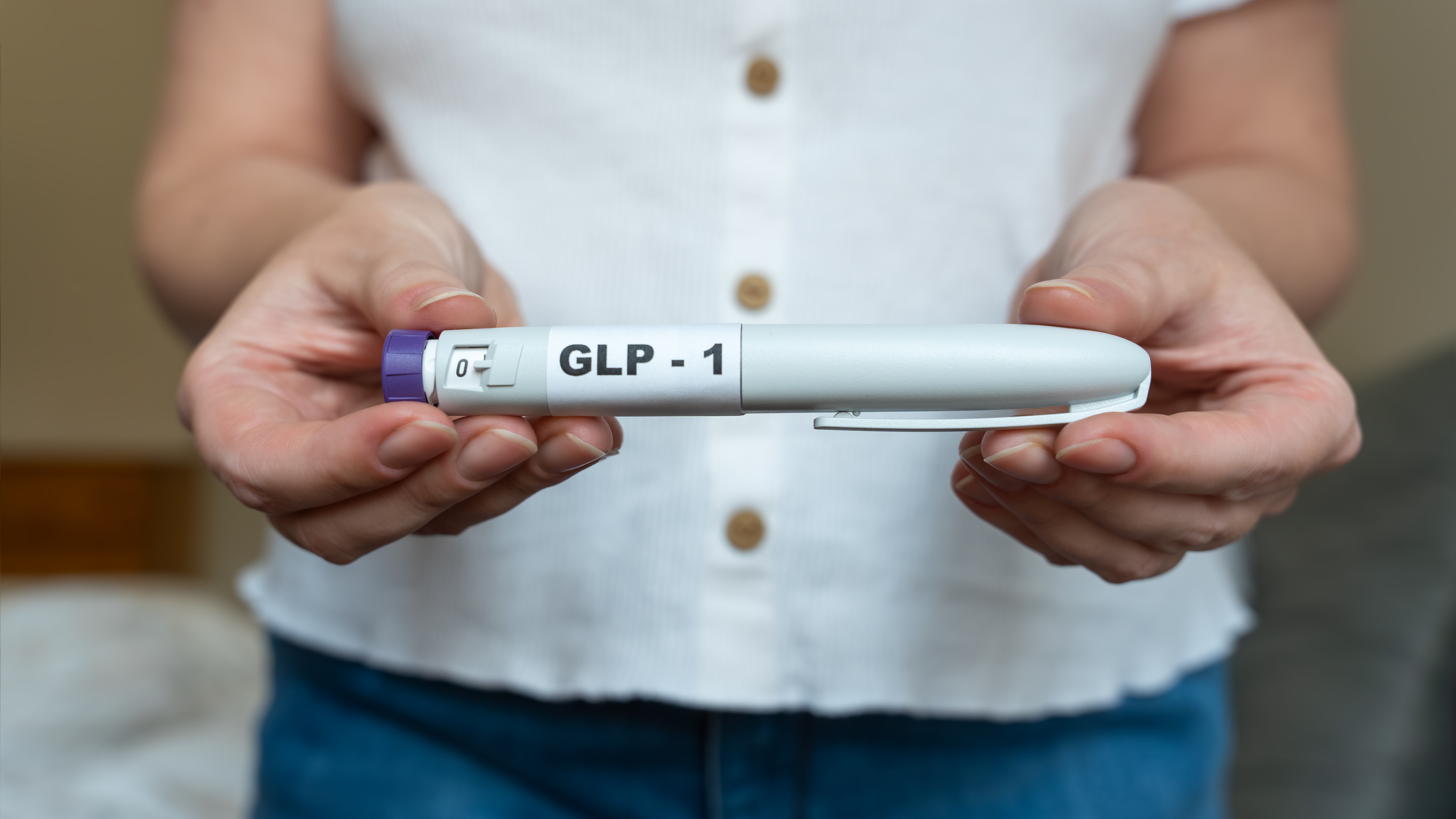
GLP-1 injection pen held by woman in front of abdomen.
Adobe Stock
  • Key Insight: Learn how Novo Nordisk's price cuts could expand employer GLP‑1 coverage strategies.
  • What's at Stake: Rising utilization may significantly shift benefits spend and competitive employee recruitment.
  • Supporting Data: Novo Nordisk cuts Ozempic/Wegovy to $675 monthly starting Jan 1, 2027.
    Source: Bullets generated by AI with editorial review

Companies are expecting a surge in demand for weight loss drugs after one of the world's leading pharmaceutical giants announced a price cut of up to 50% starting next year. 

Novo Nordisk plans to reduce the list prices of Ozempic and Wegovy to $675 per month beginning Jan. 1, 2027, down from roughly $935 and about $1,350 per month, respectively, though many patients pay less depending on insurance coverage and rebates.

Processing Content

The price cuts, combined with federal efforts to expand access to popular GLP-1 weight-loss drugs, mean that employers need to develop a long-term strategy to manage rising utilization rates and stay competitive in today's benefits landscape, says Rae McMahan, senior vice president of Payor Solutions at Prescryptive.

"The market is opening up," McMahan says. "I'm hoping that it will open their eyes to the different ways to access medication that's needed for their employees to be as healthy as possible."

Around one in eight U.S. adults say they are taking a GLP-1 drug, according to a recent survey by KFF, a nonprofit that tracks health care trends and access across the country. Among adults who have ever taken the drugs, cost is one of the most commonly cited reasons for stopping.

Read more: GLP-1s and menopause benefits are here to stay — What it means for 2026 budgets

In addition to weight loss, the drugs are also used to treat chronic conditions such as diabetes and heart disease. The most common side effects are nausea, vomiting, constipation and muscle loss.

McMahan recently spoke to Employee Benefit News about the upcoming price cuts and what data that benefit leaders should be tracking to understand whether their current coverage for the weight loss drugs is working. 

How much of an increase in demand for GLP-1 drugs are employers seeing right now? 
I think we'll get a 10% to 20% uptick, and others will assess which benefit parameters and design choices can help employees afford them. There are other things that go along with it as well — such as tariffs — that businesses have to think about, so there's a lot of market dynamics that go into thinking about coverage of these medications.

What are the most common mistakes that employers make when covering GLP-1 drugs?
Some of the issues that I see are just the conversations that are happening with employers and consultants. There are these sweeping statements that come out like: "If you don't cover GLP-1 drugs or if you change your clinical criteria, it's going to affect all of your rebates, and then you're going to be paying much more for everything." That's not necessarily the case. It's about finding the right balance between all of that and looking at the economics around these specific drugs and what the impact is.

What benefit design strategies help control costs without restricting access?
I think the biggest example I've seen is something I would liken to coverage of women's health or fertility issues. Those benefits used to be much more expensive than they are today, and historically, they were often carved out by employers. It's also one of those areas where it's not just medication — procedures or surgeries need to be considered as part of a total plan for what's right for that family or member, based on their situation.

Read more: GLP-1s aren't a long-term solution — What your health benefits need

While this is a very different dynamic and obviously affects a much larger population today, I see it as a historical model of how a benefit was carved out. Employers now have the opportunity to structure similar benefits as a lifestyle or limited benefit, where they can allocate funds outside of standard medical and pharmacy coverage. They can take different approaches, choose whether to use a center of excellence, and set additional parameters to manage the benefit effectively.

What data should benefit teams track to understand whether their GLP-1 coverage is working?
Employers need to not only look at their data, but before they even get into a program like this, they really need to understand what the costs of a specific program and the drugs are, what guarantees exist, and the language around those guarantees. And if employers can't get specific data for their population — because it's protected in a number of ways — it's crucial to work with the right consultant, contract, or center of excellence. 

Read more: GLP-1s could be another tool in combating substance use disorder in the workplace

This ensures employees are set up for long-term success, running the marathon rather than just sprinting to cover a single point in time. It's a lifestyle change, not just a one-time drug intervention, and it's meant to be managed longer term.

What's the one key thing you want benefit leaders to take away from this conversation about GLP‑1 drugs?
Look at GLP-1 access and compare the benefit coverage versus direct-to-consumer coverage and cost, and consider your options under limited and lifestyle benefits if you haven't done that before. A key component is examining employee behavior and how they have accessed this benefit from a direct-to-consumer perspective. Then think about how this could potentially apply to other high-cost disease states. Ultimately, it's about balancing cost management with what's appropriate for the budget, but also about opening eyes to different ways employees can access needed medications. This approach can help employees stay as healthy as possible, with medication and information at their fingertips when they need it.


For reprint and licensing requests for this article, click here.
Health and wellness Healthcare Employee benefits Wellness
MORE FROM EMPLOYEE BENEFIT NEWS