Companies are betting on free food to lure workers back in office
New research shows companies are ramping up spending on workplace meals, with employees citing food perks as a key factor in staying and showing up.


Follow Us
© 2026 Arizent. All rights reserved.

New research shows companies are ramping up spending on workplace meals, with employees citing food perks as a key factor in staying and showing up.
Two thirds of workers don't access offerings that help them stay on top of their health — an issue TPG's partnership with Reperio aims to fix.


Most employers offer cancer benefits. Almost none cover what happens in the first 30 days after diagnosis when fertility decisions have to be made quickly, and can impact reproductive options often permanently.
U.S. consumers are using these employee-appreciation perks to help pay for everyday expenses and enjoy more tangible benefits.


Prioritizing quality over convenience leads to lower rates of complications and less overall healthcare spend.
Remote streamlined performance reviews by using continuous feedback and AI drafts, reshaping how managers evaluate talent systems.

Hinge Health added migraine care to its digital offerings, enabling organizations to support those who suffer from the debilitating condition.

When volatility is visible, it gets priced appropriately and the groups that aren't volatile can actually see better pricing as a result.
From childcare to PTO to FSA- and HSA-eligible products, employees can enjoy the warmer months more when they have the right support.

Women are less likely to engage with AI than their male colleagues and it could cause long-term damage to their careers.


A look at traditional PBMs and pass-through models, potential savings areas, developments and partnering with the right consultant.
Employee adoption and appreciation of AI improves when they speak to the tech as they would a coworker, research shows.

Leaders could be doing their part in helping employees purchase a home by providing better, more comprehensive support through policy and culture.

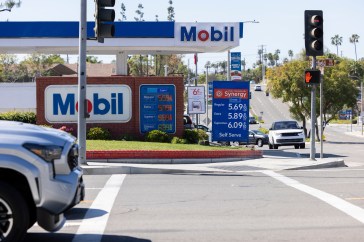
New data shows workers increasingly relying on emergency savings accounts to cover transportation and fuel expenses as commuting costs stay elevated.
Part one of this two-part series looks at the background, transparency solutions and how to understand PBM profitability.
Employers that do build a culture of safety and support empower their people to utilize benefits, take innovative risks, and stay long term.

Rising costs and ongoing pressure to protect the employee experience put HR and benefits leaders in a difficult position. Before scaling back highly valued active and retiree benefit offerings, employers need to weigh the broader impact. What appears to be a quick financial win often introduces unintended consequences, including lower employee satisfaction, reduced engagement, and higher downstream costs.
Parents are seeking employer support and reliable, affordable care options to avoid work disruption and fatigue.

As companies incorporate more AI technology into daily workflow, they must also continue to invest in their employees' development.

Expansion of savings vehicles, along with the largest transfer of wealth in U.S. history, bodes well for plan participants as advisers shift to offering ongoing financial guidance.