The next gen: Retirement advisers adjust to changing client options, circumstances

Professional financial advisor presenting investment and savings strategy to couple with tablet analytics, future wealth planning and personal finance consultation concept.
Adobe Stock
  • Key Insight: Discover how retirement advice is shifting from fund selection to holistic, ongoing financial guidance.
  • What's at Stake: Failure to scale client outreach risks losing future inheritance-driven assets.
  • Forward Look: Prepare for Gen X inheritance surge reshaping client profiles and advisory services.

Source: Bullets generated by AI with editorial review
Processing Content

The retirement advisory space is undergoing a sea change driven by a combination of economic, demographic and cultural factors, according to a thought leader with more than two decades of industry experience. 

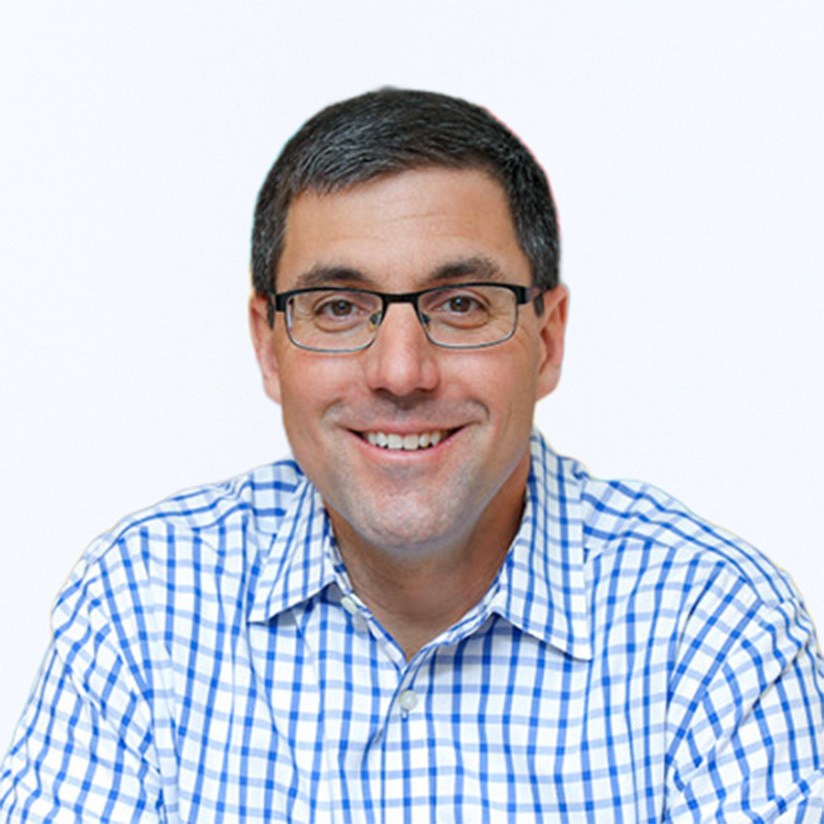
"We've taught all these advisers to be laser focused on fees, funds and fiduciaries — not families and other obligations," said Kevin Gaston, head of strategic retirement consulting at Vestwell, adding that earning a living selecting and monitoring investment funds will result in "an increasingly smaller slice of the picture." 

As this static approach continues to dwindle, retirement plan advisers will need to embrace a more dynamic role of offering ongoing financial guidance that includes helping individuals decide where their next dollar should go based on their unique circumstances. 

Under the current advisory model, the focus is on retirement plan participants who have money today, not someone who might have money tomorrow. But that's about to change in a significant way. Members of Generation X, aged 46 to 65, are poised to inherit the largest transfer of wealth in U.S. history. 

"They're right at that retirement bucket and advisers generally haven't spoken to a lot of them," he said.

Read more: U.S. financial literacy falls to lowest level in a decade

What makes this tricky is that while one of these employees may have $38,000 in a 401(k) plan today, their nest egg could be $3 million bigger down the road — a bittersweet phenomenon he described as a "lottery ticket" that is handed out after a loved one has died.

For advisers, that means engaging with all plan participants or having a scalable way to reach out to everyone. It will also require them to remove their blinders to address many other moving parts beyond designing the right retirement allocation, stock-bond ratio or managed account. 

They may include, for instance, paying off debt, financing college tuition for children, or funding a tax-advantaged savings and investment account for people with disabilities called Achieving a Better Life Experience or ABLE account.

A widening gap

The gap between strategy and execution is widening for advisers, according to Gaston, who notes that the number of savings vehicles today is far greater than when it used to be about 401(k)s or their defined-contribution plan equivalent for the public and nonprofit sectors, 403(b)s and 401(a)s, and IRAs. Recent years have given rise to everything from Trump accounts to state-based IRA programs, now north of $3 billion in assets under management, alongside ABLE accounts, 529 plans, health savings accounts and emergency savings accounts. 

Twenty years ago, he said advisers did not even touch welfare benefits. "If you went into a company to do the 401(k), you didn't ask them what they were doing for FSAs, HSAs and insurance," he recalled. "That just wasn't part of the script." 

Today, they must do a lot more education with benefit plans sponsors to understand what they're offering, he added. It's particularly advantageous to be an adviser in a state that has a state IRA requirement. 

"Sometimes it's good to use the state," he said. "Sometimes it's good to use what you offer in a private market, and that's what we've noticed." 

Given that advisers can be easily bogged down in discussions around whether employees are engaging with their plan or are on track, Gaston said it's important to have meaningful benchmarks about plan engagement and participation to help achieve desired outcomes. 

Shifting rate dynamics are pushing advisers to revisit capital-preservation strategies that include stable value funds, especially for participants who are nearing retirement age and as a hedge against inflation. 

Read more: 401(k) convos give advisors inroads with next-gen clients

As people move from an accumulation phase to a decumulation phase, he said the priority is to ensure that plan participants can sustainably pull out their money without depleting their nest egg or outliving their assets. 

Expanded access to retirement savings through all of these new programs and recent legislation is expected to drive growth in plan participation. While posing added complexity for advisers, it also serves as an opportunity.

"It's a different paradigm today than it was with so many options," he explained, "so anything that gets people talking and thinking about putting money away for the future is a good thing. Hard stop."


For reprint and licensing requests for this article, click here.
Retirement Financial wellness Employee benefits
MORE FROM EMPLOYEE BENEFIT NEWS
Load More