Lyft rolls out ‘fully flexible’ work policy for staff
Most big tech companies are starting to bring workers back to the office with varying degrees of flexibility.

Follow Us
© 2026 Arizent. All rights reserved.

Most big tech companies are starting to bring workers back to the office with varying degrees of flexibility.
The drop in claims is consistent with a strong labor market recovering from the omicron variant, which forced some businesses to close.

In the wake of the pandemic, recruiting remains one of the biggest challenges for restaurants, due to a lack of funds and resources.


Some companies are betting that cost increases will be around for two to three years.

Wall Street is fearful of a market jolt as spending slows.

Matt Spokes from Moves Financial outlines ways companies can better support gig workers in times of financial uncertainty.
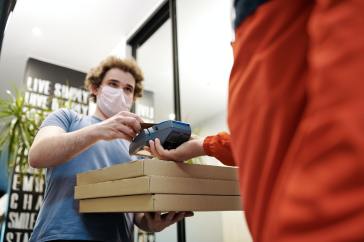
With more employees opting for gig work post-pandemic, this platform is making sure they have insurance options and other important benefits.

Initial unemployment claims totaled 260,000 in the week ended Jan. 22, down 30,000 from the prior period.
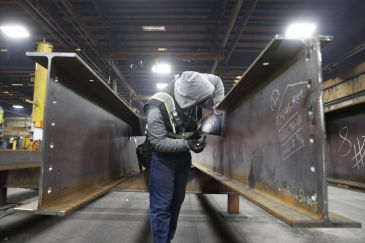
The fallout should be short-lived as companies are desperate to retain and attract talent amid ongoing labor shortages.

The omicron variant poses a risk to the pace of employment growth in early 2022.
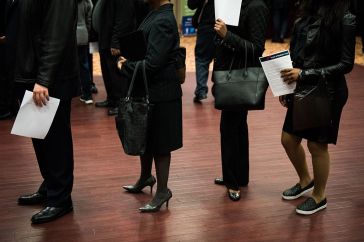
The spread of the omicron variant has reignited fears for the economy amid school and business closures.
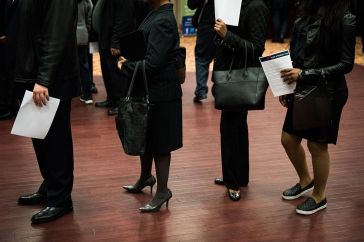
One in three working Americans now consider themselves to be “gig workers,” a segment that’s expected to grow in a post-pandemic world.

Job growth registered its smallest gain this year.

Employers continue to chip away at filling a near-record number of open positions.

The U.S. added 531,000 to payrolls in October after large upward revisions to the prior two months.

GrowTal, a marketplace for independent marketing professionals, has released “The State of Freelancing” report, offering insight into the future of this emerging economy.


Companies are desperate to hire workers as labor shortages continue to plague production and boost prices.

As shareholders, these workers will wield greater power to influence management decisions and help shape the future of the gig economy.

The bills will target questions relating to the treatment of gig workers such as payment policies, bathroom access, distance and route limits.

According to a new PNC survey, 56% are feeling hopeful about the road forward.