Benefits Think Rewriting the PBM playbook: Exposing hidden costs and empowering plan sponsors
Part one of this two-part series looks at the background, transparency solutions and how to understand PBM profitability.
Follow Us
© 2026 Arizent. All rights reserved.

Part one of this two-part series looks at the background, transparency solutions and how to understand PBM profitability.
Employers that do build a culture of safety and support empower their people to utilize benefits, take innovative risks, and stay long term.


Rising costs and ongoing pressure to protect the employee experience put HR and benefits leaders in a difficult position. Before scaling back highly valued active and retiree benefit offerings, employers need to weigh the broader impact. What appears to be a quick financial win often introduces unintended consequences, including lower employee satisfaction, reduced engagement, and higher downstream costs.
Parents are seeking employer support and reliable, affordable care options to avoid work disruption and fatigue.


Expansion of savings vehicles, along with the largest transfer of wealth in U.S. history, bodes well for plan participants as advisers shift to offering ongoing financial guidance.


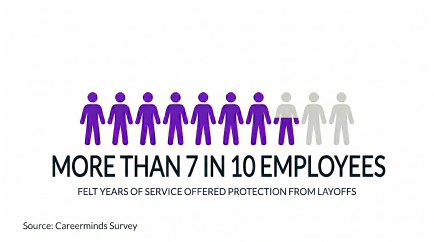
A false sense of job security can make layoffs especially difficult for veteran workers, but outplacement access can ease the transition.
In order for these types of plans to be successful, they need to be both cost and operationally efficient.
Employers have invested more in healthcare benefits than ever before—expanding access, adding virtual care, and layering in disease-specific solutions. Yet many organizations still struggle with rising costs, fragmented care, and worsening workforce health outcomes.
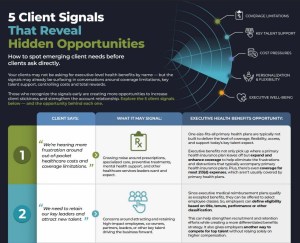
Spot emerging client needs earlier and uncover opportunities for more strategic benefits conversations.
Americans' financial literacy has slipped to a 10-year low, with new TIAA Institute data showing weaker scores, wider gaps, and rising reliance on AI tools for money decisions.

An HR legal expert discusses the potential benefits and pitfalls of the U.S. government's approach to expanded coverage.


In today's workforce, a silent crisis is driving up healthcare claims, fueling unpredictable turnover, and eroding productivity.
As new pay disclosure laws spread, many employers still lack the training, systems and data needed to handle compensation conversations.

When tragedy struck Caitlin Collins' family, her employer's methods of support made it possible to put loved ones' needs first.

Workplace mental health support works best when leaders know how to respond. Use manager training to make support easier to find, trust, use and refine.

Cut healthcare costs and boost flexibility—see how ICHRA can transform your benefits strategy.
Few companies measure impact or return on investment of their education benefit spend, report finds, while AI skills remain untapped.

If wealth management clients have children who are recent college graduates, pointing them in the right direction on their first 401(k)s helps build strong connections with two generations.


Improve hiring metrics while helping insulate financially vulnerable younger employees from unexpected costs.

Senior Living Communities partnered with Chime to build a comprehensive financial wellness program that increased active savers by 142%.