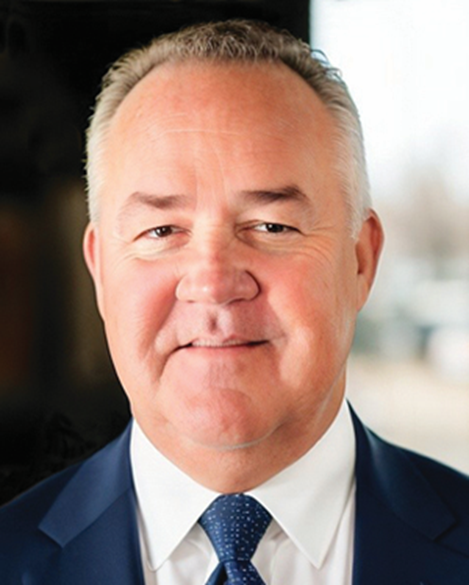
PEPs are a major opportunity for smaller advisers
Despite tepid interest, small businesses — and their advisers — stand to benefit from adding pooled employer plans.


Follow Us
© 2026 Arizent. All rights reserved.

Despite tepid interest, small businesses — and their advisers — stand to benefit from adding pooled employer plans.
Alternative retirement options are growing in popularity as employees reject traditional, more rigid, plans.
Young professionals are struggling more than their older counterparts to juggle their jobs, debt, and families with aging parents.


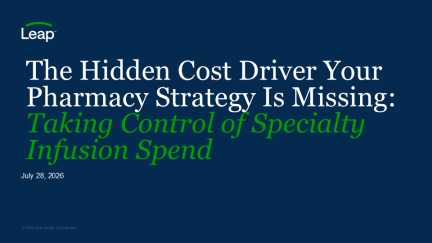
Why medical specialty drugs are outpacing pharmacy spend, and what self-funded employers can do about it.
Unlock the clarity HR leaders need that can help turn complex benefits challenges into informed plan decisions.
Offering a variety of both financial and nonfinancial perks can help ease the friction of these workplace treks.
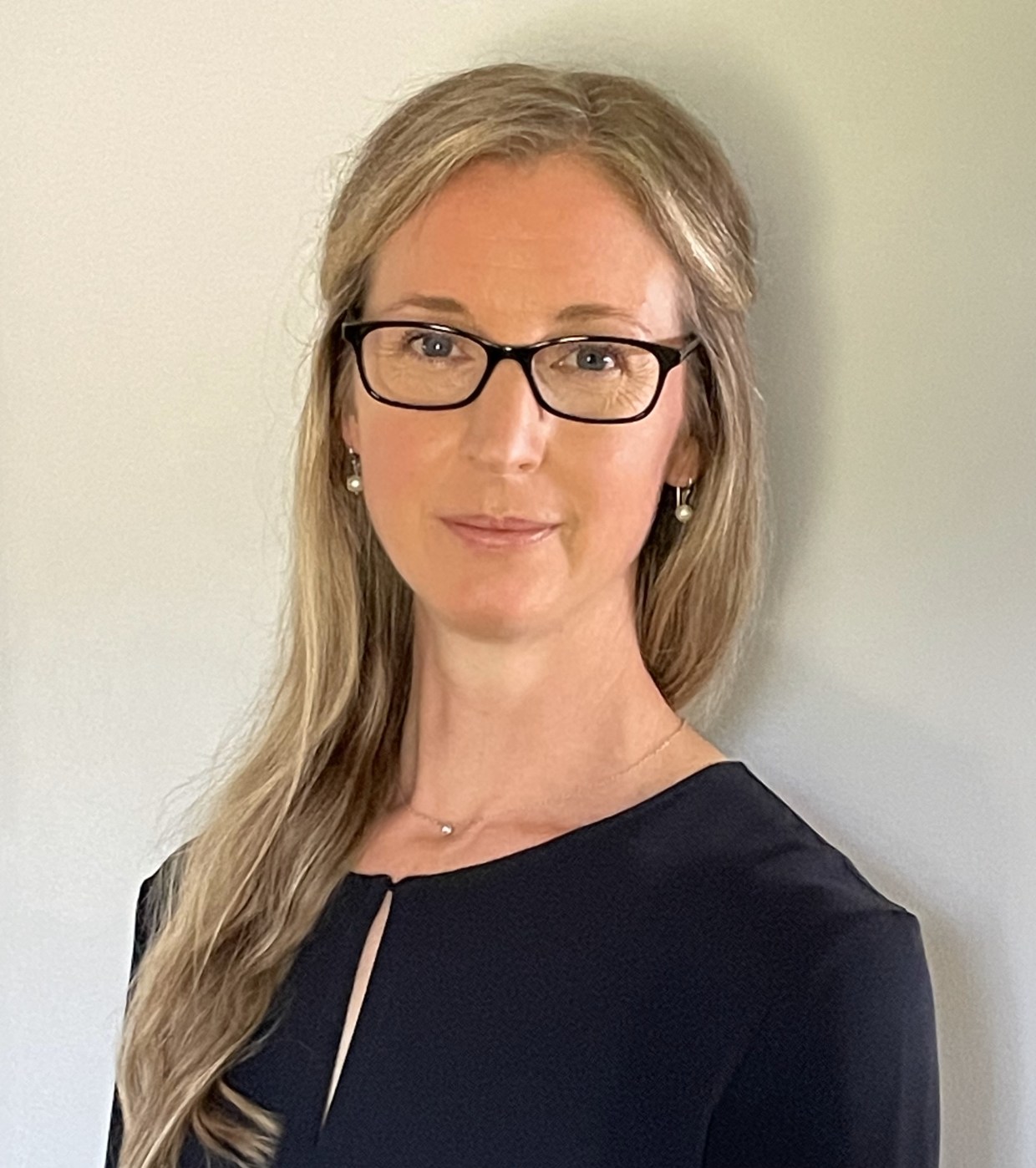

Caregiving is now a reality for nearly 1 in 4 U.S. workers, reshaping how employers think about benefits, flexibility and support for working families.


With the majority of employees living paycheck to paycheck, faster access to wages can give them a better shot at building financial security.

A look at the current challenges facing employees and employers, and how to deliver value to clients.
A look at the current challenges facing employees and employers, and how to deliver value to clients.
More holistic perks and benefits can keep turnover rates low as leaders shift from remote work to hybrid and in-person models.

There are different approaches to working with employers on benefits. Find out your natural style—and get fresh ideas.

Medicare now covers the medication for weight loss for eligible members, upping the need for corresponding lifestyle and behavioral benefits.

Employers are beginning to explore a wider range of offerings that support everyday financial stability and real-life priorities beyond traditional insurance options.
Women's health benefits expanded rapidly around support and navigation, but preventing pregnancy complications now demands more clinically integrated care.

Adoption benefits rose again in 2026, with average reimbursement topping $16,700 and paid leave increasing, according to a new Dave Thomas Foundation survey.

Only 14% of workers let managers know they're struggling, according to a Headspace report, highlighting a missed opportunity for intervention.

With this alternative model, benefit professionals have the potential to not only stabilize employee health benefit costs but actually return dividends.

By assessing the needs of various employee populations within a workforce, benefits can be constructed to be more independent and effective.
HR and benefits leaders are using the shifting employee-employer dynamic to cut down on costs — but it can't last forever.