Long story short: HR leaders plan for the next phase of COVID-19
Our top stories highlight the ways HR leaders are navigating what comes next in the world of work.


Follow Us
© 2026 Arizent. All rights reserved.

Our top stories highlight the ways HR leaders are navigating what comes next in the world of work.
Employees turning to drugs and alcohol to cope during COVID are bringing their addictions into the workplace.

The Michigan-based appliance maker previously offered its workers $200 cash bonuses in May to get the shot.
From more mental health support to career building opportunities, employees are speaking up about what matters most.

New employees are missing out on networking and career building opportunities while joining new teams remotely.

Previously diversity and inclusion and mental health initiatives would live in separate corporate domains, but employers increasingly understand the inextricable link between these two issues.

Companies such as Ford, Apple, Google, Lyft and Uber have announced new vaccine mandates and delayed return-to-office plans altogether.


If you want to get a good start to your week, getting a good night’s sleep and taking frequent breaks will set you up for success.

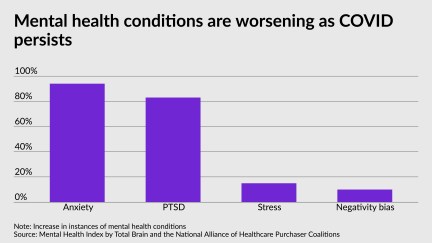
Stress, anxiety and feelings of negativity are on the rise as employees grapple with the uncertainties of the pandemic.
The need for earned wage access has become more pronounced throughout the COVID-19 pandemic.

Blackstone Gives Back Challenge offered $100,000 to non-profit organizations.

Listening to your employees is good for business, but Gen Z employees feel they’re being ignored and their opinions aren’t valued.

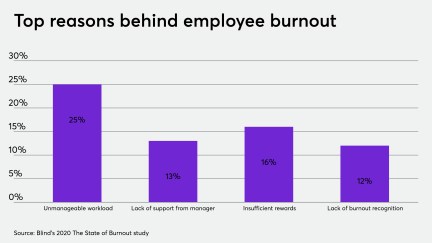
Employees left 768 million days of PTO on the table in 2020 because of guilt over missing work and fear their workload would be unmanageable when they returned.

An overwhelming majority of workers are currently considering changing jobs, according to a poll from Monster.

Remote work is a new opportunity for employees to volunteer time and donate funds to causes they truly care about.

Diversity and inclusion must involve more than hiring quotas and anti-bias training in order to change your company culture.

Moving into post-pandemic life, employees can turn around potentially unhealthy habits.

More flexibility has been afforded to hourly and gig employees than ever before. Here's how employers can benefit from this trend without losing control.

Employees are pushing for a four-day work week and other policies that let them dictate where and when they work.

Companies will need data and technology to meet the evolving challenges of a new workforce post-pandemic.