Healthcare costs are forcing employers to reconsider their benefits strategy
Employers are under pressure to keep benefits competitive while controlling costs, driving new scrutiny of PBMs, hospital prices and GLP-1 coverage for 2027.


Follow Us
© 2026 Arizent. All rights reserved.

Employers are under pressure to keep benefits competitive while controlling costs, driving new scrutiny of PBMs, hospital prices and GLP-1 coverage for 2027.
Helping employees manage symptoms will enhance productivity, engagement and retention – protecting institutional knowledge and strengthening business outcomes.
An ongoing, thoughtful benefits experience holds more value than a seasonal attempt to encourage time off.
Healthcare costs are squeezing employer margins, and small and midsize employers aren't waiting for another renewal to act. They're rethinking how they fund healthcare, manage costs, and partner with advisors.
Employers shouldn't just provide healthcare benefits to their people, but help them navigate the system, too.


At a time of never-ending health benefit cost increases and fiduciary lawsuits, it has never been more important to ensure that claims are paid correctly.


Identifying patterns, building attribution and seeking accountability can help employers better manage women's care needs long term.
The practical takeaway is to treat data-sharing requests as a risk-allocation exercise, not just an operational convenience.
Rising use of the weight-loss drug is fueling the fastest health plan cost growth in a decade and a half, forcing employers to rethink coverage strategies and cost management.

GLP-1 coverage decisions were the easy part. Two years in, employers are facing the harder question: what happens when people stop the medication. Discontinuation is common, weight often returns, and the spend starts over. For benefits leaders heading into 2027 renewals, the risk is no longer access; it is durability.
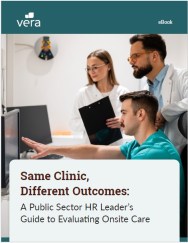
A practical guide and vendor questions for public sector benefits leaders evaluating onsite and near-site clinics.
Metabolism-management drugs and hormone therapy are growing in popularity, but women need expert clinical oversight in conjunction with medication access.


From medical bills to car repairs, small expenses can create major stress for workers. Employers are responding with new emergency support programs.

As employees decide whether to stay with their employer, support tied to student loan debt and education benefits is becoming a clear differentiator.
To truly flip the script on metabolic disease, benefit leaders must build a cost-efficient, supportive plan for employees and their business.

Communication, customization and connection with employees help to boost awareness and understanding of company offerings.
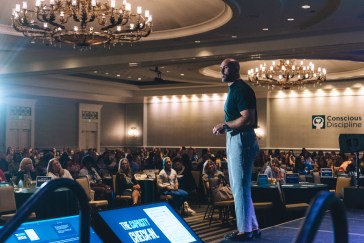
Former pro linebacker and Army officer Caleb Campbell shares his experience managing pressure and why long-term success requires comprehensive support.
Brokers have both an opportunity and responsibility to educate their clients toward better health outcomes and less financial volatility, not just a yes/no on coverage.
Providing better access to primary care providers is key to cutting down on workers' serious medical conditions and encouraging a better quality of life.

A new TIAA study finds many retired workers wish they had saved sooner, planned for healthcare costs, and prepared for career disruptions that delayed or reshaped retirement.