Are a majority of workers just pretending to be busy?
Workhuman surveyed 3,000 employees, settling the debate over whether people work as much as they say.


Follow Us
© 2026 Arizent. All rights reserved.

Workhuman surveyed 3,000 employees, settling the debate over whether people work as much as they say.
Valor Hospitality Partners has added in new benefits aimed at better supporting its workforce's mental health.


From Pythagoras to Einstein, the sound waves of instruments have proven to their profound effects on the human body.

The CHRO of Paycom breaks down how a positive attitude towards PTO can transform your workplace.

A steady erosion of employees' mental and physical health, as well as personal relationships, compromises productivity, absenteeism, presenteeism and retention.

Beyond salary, the kind of support available at work is often a major driver when it comes to attracting and retaining talent.

The cities are ranked by factors including commute, remote work opportunities, affordability and low burnout.

Mounting pressure to manage the competing demands of school-related expenses and ensuring a family's long-term financial stability can lead to stress and anxiety.

Based on the ratio of positive to negative reviews on the workplace rating site Glassdoor, NetApp ranked at the top with 1,801 Glassdoor reviews having a 10.05% negative keyword frequency.

Extended and intermittent leaves of absence that leverage state mandates allow new parents to ease their return to work and also improve talent management.

EBN's Excellence in Benefits winners set an example by prioritizing their own mental health and the well-being of their families.

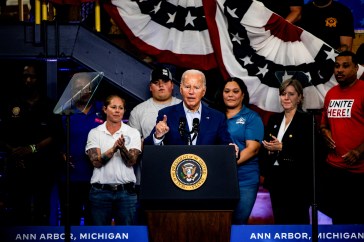
The White House is taking steps to lower mental healthcare costs, but will it pan out?
An expert shares steps and resources to meet mental health needs of a workforce.
Companies can support employees in coping with daily challenges by offering strong wellness benefits and being flexible when it comes to child care.


According to ComPsych, one in ten of all leaves of absence are due to poor mental health and burnout.

Employers whose workforce includes the nation's fastest-growing employee population are positioned to address a quickly-expanding mental health gap.

Four workers explain how employer-sponsored meditation apps, work flexibility and stipends boost personal health and job performance.

Evidence-based, holistic approaches can improve employee well-being in the long term, improve productivity, and serve as a competitive edge in recruiting and retaining talent.

Concerns over the election, the economy and day-to-day challenges can be reduced with mindful, consistent actions.

Employers can show they are committed to the health of their workers by bringing their wellness programs to life.