How public sector employers are reducing their pension liabilities
Many are following the example of corporations by instituting defined contribution or hybrid plan options for new hires and by freezing their old plans.

Follow Us
© 2026 Arizent. All rights reserved.

Many are following the example of corporations by instituting defined contribution or hybrid plan options for new hires and by freezing their old plans.
“Public pension plans continue to bury their heads in the sand living in a time warp of decades-old actuarial assumptions,” says a former Connecticut state treasurer.


The massive shortfalls in public pension funds are the single biggest financial challenge for American’s states and cities.

U.S. state and local governments have good reason to root for stocks to rebound from the crash.

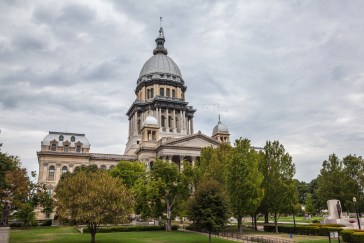
Lawmakers in Illinois are so desperate to shore up the state’s massively underfunded retirement system that they’re willing to entertain an eye-popping wager.
With many private and public pensions in the red, employees are advised to look for options that will improve their prospects, such Roth IRAs.

In order to avoid an audit, pension planners should conduct periodic audits for hard-to-find former employees.

Debt to states workers’ retirement system has soared by $33.4 billion, or $6,000 for every resident, courtesy of accounting rules.

Public pension fund investments returned only 0.6% on average in fiscal 2016,