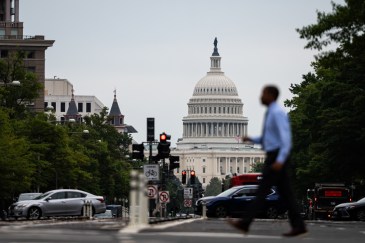
Ready, set, Roth: How 401(k) catch-ups are changing in 2026
The industry asked for and received a delay in the rule from the IRS in 2023. Now that it's going into effect, here are the key implications for sponsors and savers.


Follow Us
© 2026 Arizent. All rights reserved.

The industry asked for and received a delay in the rule from the IRS in 2023. Now that it's going into effect, here are the key implications for sponsors and savers.
Unaddressed, retirement discrepancies could have a negative impact on employees' saving strategies and set them up for failure.

Without comprehensive financial planning benefits at their disposal, employees will remain unprepared for the future.

Without the help from intuitive tech tools, meeting employees' retirement needs may be impossible.

Giving incoming generations the opportunity to take extended breaks in the middle of their careers could boost productivity and loyalty.

As many as 70% of Americans don't have a will, trust, health or funeral directive as the nation gears up for its largest wealth transfer ever.


An expert adviser explains the many considerations to take into account before deciding on this as an option for employees.

Advisers can help employers compete for C-suite talent amid major demographic shifts by highlighting nonqualified plans to supplement core benefits.

The Social Security Administration announced its cost-of-living adjustment for beneficiaries — a figure advocates say fails to address the reality for most seniors.


New Vanguard research finds workers with access to defined contribution plans are twice as likely to reach retirement goals.


A new survey from financial services organization TIAA polled 1,000 adults and found that nearly half don't make enough money to save.


A financial expert from Vestwell explains how to guide workers through their options, and how to get them back on track.

A new study finds many Americans are risking their own retirement security and health to support family members — with Gen X workers most at risk.

Rising costs and competing financial priorities are making it harder for younger workers to save for retirement.

A recent financial wellness report found that over half of employees are currently unprepared to cover a $500 emergency expense.

Workers are feeling more confident about their retirement plans — but that optimism may be misplaced.

A new survey from Charles Schwab revealed that nearly half of employees believe the benefit could help them achieve long- and short-term financial goals.

Even with the money to retire early, FIRE clients often face unexpected challenges around mindset, more than finances.

By investing in the right tools, leaders can prevent employees from making long-term damage to their financial future.

The Congressional Budget Office estimates that about 750,000 employees will be furloughed at a cost per day of $400 million in lost compensation.