

Despite spending millions on education benefits, companies rarely track results
Few companies measure impact or return on investment of their education benefit spend, report finds, while AI skills remain untapped.
Follow Us
© 2026 Arizent. All rights reserved.

Few companies measure impact or return on investment of their education benefit spend, report finds, while AI skills remain untapped.
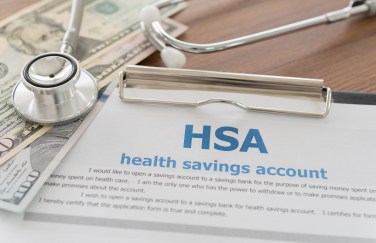
Health savings accounts continue to expand as more workers invest contributions, even as perplexity around eligibility and account rules continues.

A new GoTo study finds workers increasingly depend on AI tools, raising concerns about misuse, poor judgment and declining skills.

New Transamerica study finds a widening gap between employer optimism about AI and technology and worker experiences of burnout, stress and financial strain.
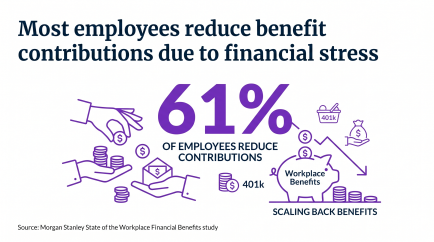
A Morgan Stanley report finds financial stress is weighing on workers, with most saying it affects productivity and many reducing workplace benefits.

Quit Vaping app founder Jonathan Kopp is bringing digital tools for vaping and alcohol addiction into employee wellness plans.
Unexpected retirement plan fees are forcing some small and midsized employers to reduce matching, cut benefits, or abandon 401(k) offerings, survey says.

Survey of college students and young adults finds rising mental health concerns, with many relying on AI tools and citing cost as a barrier to care.

Just 17% of employees plan to get an annual physical this year, down 45% from 2024, as a nationwide survey signals a steep decline in preventive care use.

Employers say they're doing enough on benefits, but employees disagree as costs rise and communication gaps leave many workers feeling unsupported.

As costs for healthcare and housing rise, a Dayforce study highlights widening gender and racial wage gaps reshaping workforce stability.

With concerns growing about outliving savings, more companies say retirement plans should deliver predictable income, not just a large balance at the finish line.

Retirees moving off employer health plans often face a confusing Medicare transition, which can lead to costly coverage decisions and delayed retirement timing.

With AI resumes everywhere, more employers are leaning on work trials to watch how candidates actually work before making hiring decisions.

A new Modern Health survey finds most workers fear AI-related layoffs, rising stress, and increased reliance on substances to cope with workplace pressure.

Employees are turning to consumer health apps instead of workplace benefits, highlighting a growing gap between what companies offer and what workers use.

Behavioral health services deliver a 507% ROI for employers, driven by lower medical costs, reduced disability claims and improved productivity gains.

Financial firms are expanding pooled employer retirement plans to help small businesses and nonprofits cut costs, simplify administration and reduce fiduciary risk.

Americans' retirement confidence falls as inflation, debt, housing and health costs rise, survey finds, with growing Social Security worries.
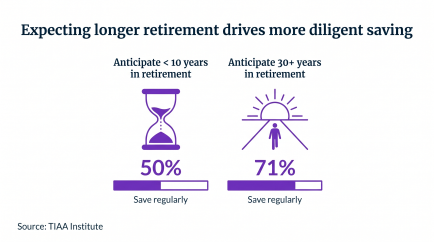
A new TIAA Institute report finds workers who misjudge life expectancy are less likely to save, putting long-term retirement security at risk.