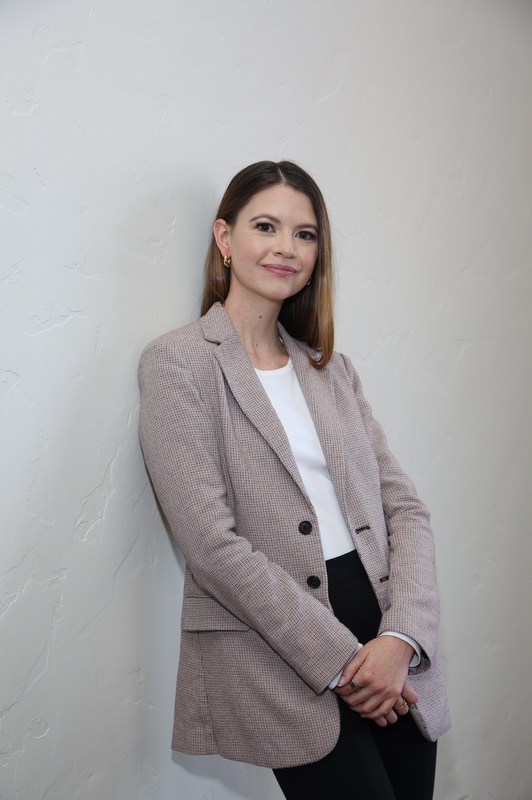
- Key Insight: Learn how specialty telehealth reduces wait times and restores employee productivity.
- What's at Stake: Long specialist delays could increase costs, absenteeism and workforce disengagement.
- Expert Quote: "Faster specialist access improves outcomes and work performance," Bryson Tombridge, Tono Health.
- Source: Bullets generated by AI with editorial review
This is part of a series on healthcare trend predictions for 2026.
Long waits for specialists are
In 2025, 89% of full-time workers and 25% of part-time workers had access to medical care benefits, according to data from the Bureau of Labor Statistics. However, due to climbing healthcare costs and a spreading physician shortage,
"We're seeing people go to their primary or urgent care doctors in need of referrals, but it's taking them months to actually see the specialists trained to treat their conditions," says Bryson Tombridge, CEO of medical dermatology care platform Tono Health. "Access to this type of care has become a big pain point and it's only getting worse."
Read more:
A report from the Institute for Healthcare Improvement and the National Patient Safety Foundation found that more than 100 million specialty referrals are issued each year. In a survey by AMN Healthcare, new patients in 15 metropolitan areas waited an average of 42 days for OB-GYN and 40 days for gastroenterology appointments. Those seeking dermatology and cardiology appointments had slightly shorter wait times of four to five weeks. Altogether, the difficulty of scheduling follow-up appointments has
The impact of
"Employees are suffering," Tombridge says. "They're not productive at work because they're dealing with these painful issues that are impacting their performance and how they show up. But when they're able to access specialists quickly and solve some of those issues, they're finally able to thrive in every area of their lives, including work."
Closing the care gap with comprehensive benefits
The key to
He urges benefit leaders to consider two things: first, whether their current plan has a specialty telehealth solution or tool available they can opt into, and second, whether they need to look into third-party telehealth platforms like Tono Health, which helps connect patients with dermatologists quickly, as voluntary benefit. Tombridge suggests benefit leaders
Read more:
"It's not about the number of benefits you offer, it's about the quality and providing the benefits that people will actually use," Tombridge says. "The relationship between patients and specialized care is critical. It's giving them a moment of relief and building a sense of trust that they'll have access to the best solution for whatever problem they're facing."
Despite many solutions being relatively
"We know the system is broken," Tombridge says. "We need real, innovative, hands-on solutions, and firms will have to get proactive and rise to the challenge of closing the care gap. We don't have a choice."