CVS Health joins international movement to become menopause accredited

CVS Health
  • Key insight: Learn how CVS's accreditation integrates training, benefits and peer support for menopause care.
  • What's at stake: Untreated menopause risks workforce productivity, retention and rising healthcare costs.
  • Expert quote: Dr. Joanne Armstrong - Menopause is a prolonged workforce health issue, not a temporary condition.
    Source: Bullets generated by AI with editorial review

Processing Content

This is part four in a series on menopause support in the workplace. Catch up on parts one, two and three.

Employer efforts around menopause support are heating up. CVS Health has become the first U.S. company to earn a menopause-friendly accreditation. 

In 2024, the company teamed up with Midovia, a consultancy that specializes in workplace menopause services and education, to create a comprehensive structure of education, peer support, training and targeted benefits and accommodations. Midovia granted CVS its menopause-friendly accreditation in 2025, making it part of a growing movement — one already well established in the UK, Australia, and New Zealand — that recognizes menopause support.   

As a national healthcare provider and an employer whose workforce is 70% female, it was  important for CVS to spearhead increased menopause awareness and care in the workplace, says Dr. Joanne Armstrong, vice president and chief medical officer, women's health and genomics at CVS Health. 

"Women are really important, and a lot of their needs are just not met," she says. "Access to care, stigma around care, cost of care — those things roll into the workplace. [Of the] 75 million women in the workplace, 20% are on this very long path of perimenopause to menopause. We're talking about 10 to 15 years, not just a moment in time." 

Read more:  Can increasing women's access to specialists decrease insurance costs?

For over a year, Midovia provided training to CVS Health's employee managers so they can support their team members, helped reinforce and close gaps in menopause-related benefits, such as making it easier for employees to find providers with menopause care experience, and helped organize peer support and coaching. 

Through its colleague resource groups (CRGs), CVS Health now runs educational events about midlife, including menopause discussions, which fill up by the hundreds. Spinning off of this, an internal channel was created for colleagues to talk to each other about their experiences. It also brought in The Menopause Society to train its clinicians, so they could better treat female customers who access care through things like CVS's Minute Clinic. 

"In terms of the potential to keep all this talent in the workplace, it's really significant. [Menopause can lead to] massive productivity loss — about $1.8 billion a year." Dr. Armstrong says. "We have prioritized it as a business need, as a health and wellness need for our colleagues, and as a cultural need." 

Read more:  5 pillars of menopause support that go beyond benefits

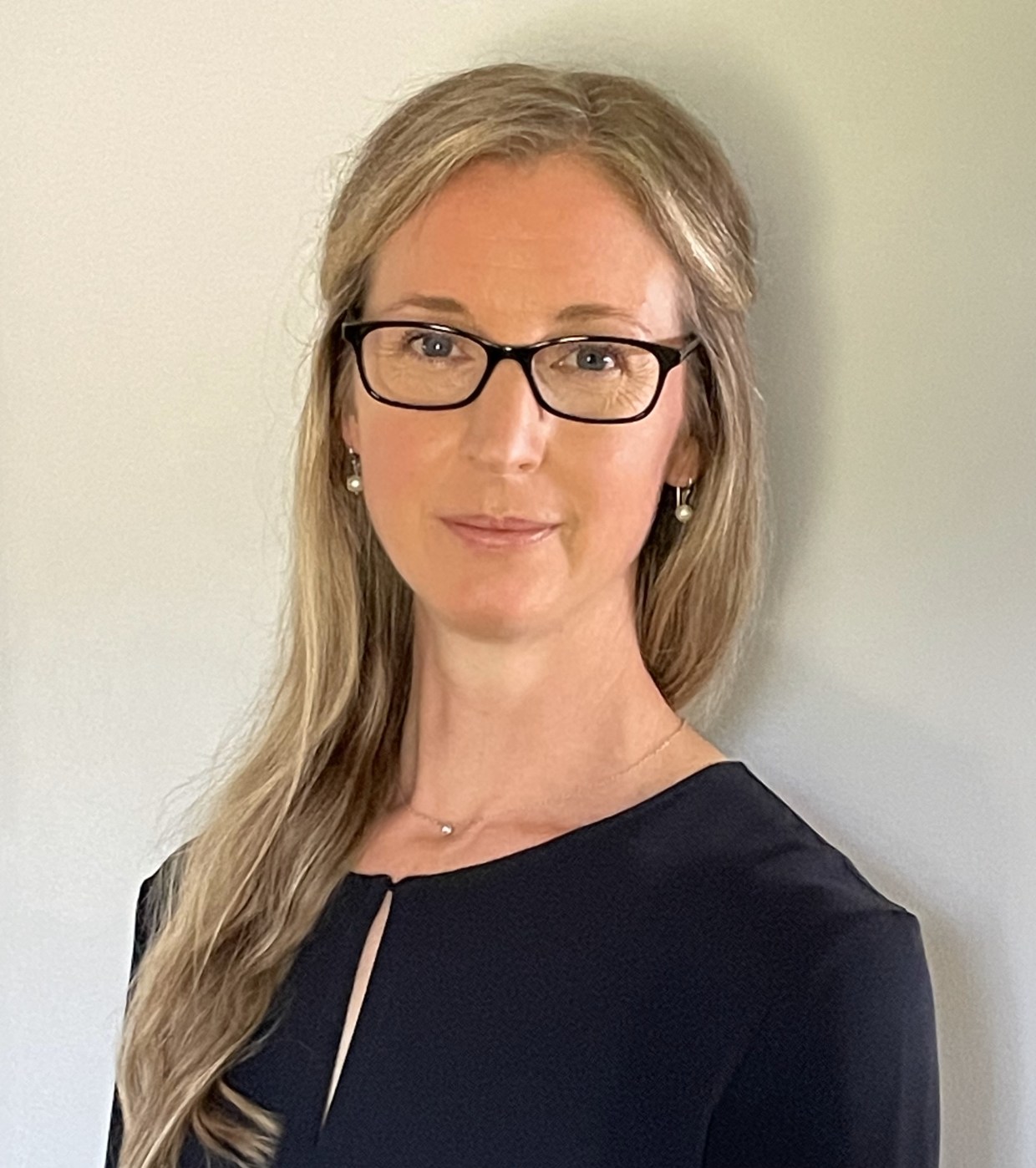
Kim Hart, co-founder and president of Midovia (left) and Dr. Joanne Armstrong, VP and chief medical officer, women's health and genomics, CVS Health

The existing gap in care

Currently, fewer than 20% of primary care physicians receive menopause training, according to The Menopause Society, and research shows the majority of OB-GYN residency programs don't offer this training either. As a result, many symptoms are dismissed or misdiagnosed, leaving women to struggle. 

When women go to their physicians with a "constellation of symptoms that are very different and do not get properly addressed … it's kicking the symptom can down the road," warns Dr. Armstrong. "As we move into perimenopause, our heart and our lipid profiles change somewhat quickly. So cardiovascular disease, bone health, osteoporosis and muscle loss [start increasing]. There's a lot going on clinically."   

As CVS works to meet and address those needs, the company communicates with other employers about the positive impacts observed since upping its menopause support, specifically in areas such as engagement, productivity and culture.   

Read more:  The ROI of supporting women through menopause 

Along with the knowledge that the company is now providing better care and support for women going through menopause, proof of success exists in continued high levels of employee interest and appreciative feedback, says Dr. Armstrong. 

"We asked colleagues how we are doing in regard to this, and we have really phenomenal satisfaction response rates," she says. "The number of people who show up again and again for more education across all levels — managers, colleagues — is evidence of the impact of it."


For reprint and licensing requests for this article, click here.
Employee benefits Health and wellness Employee retention
MORE FROM EMPLOYEE BENEFIT NEWS