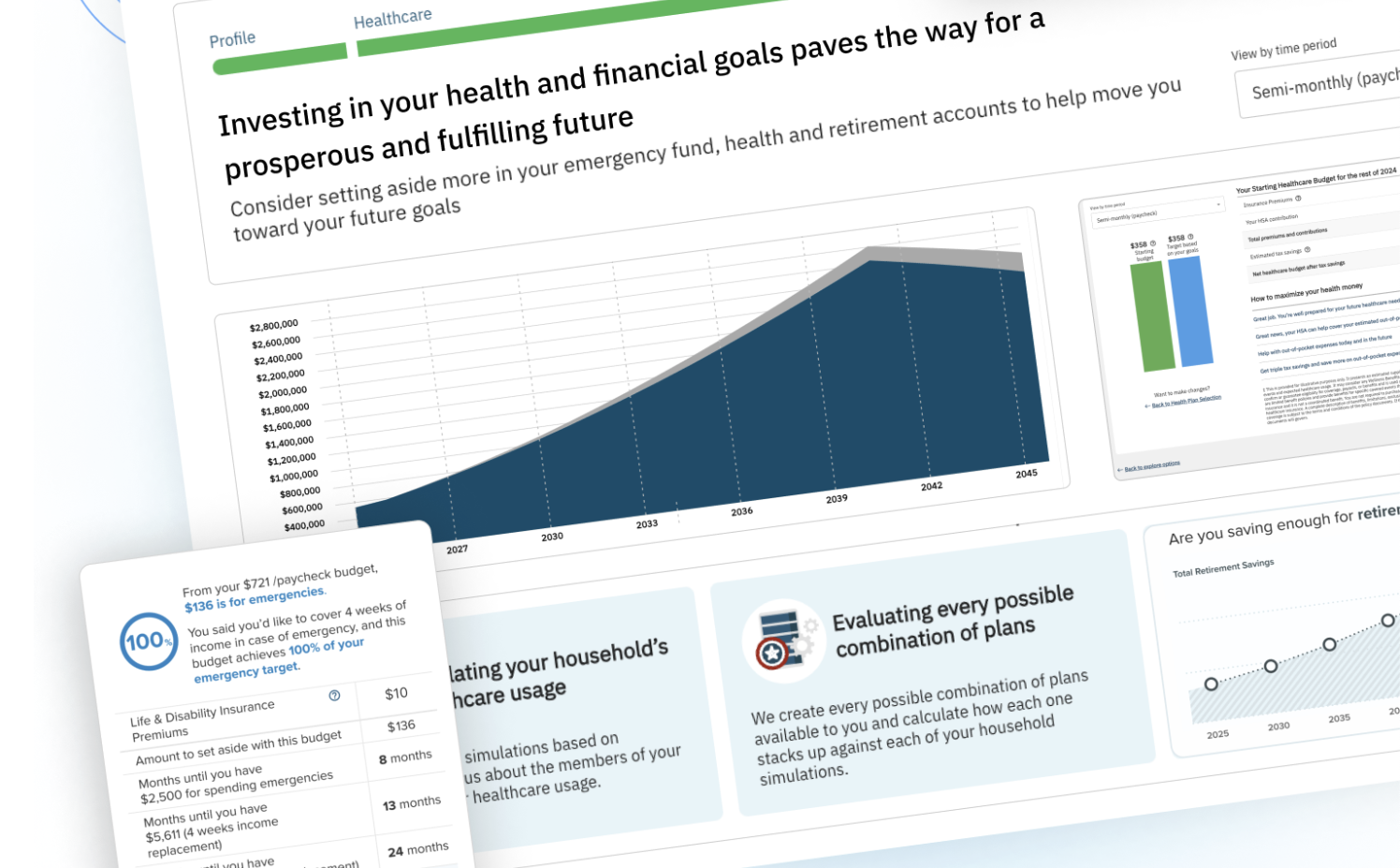
- Key Insight: Learn how paycheck-anchored financial guidance is replacing generic financial wellness programs.
- What's at Stake: Failure to align paychecks risks forfeited benefits and reduced employee retention.
- Forward Look: Expect rapid adoption of platforms linking personalized guidance directly to compensation data.
- Source: Bullets generated by AI with editorial review
Employers have invested heavily in
Traditional financial wellness tools give employees access to a
Instead, employees are on "financial autopilot," says Brian Harrison, president of SAVVI Financial. When workers fail to adjust their paychecks to fit their lives, they stand to lose thousands of dollars in potential value each year, whether by missing retirement plan matches, unknowingly forfeiting FSA funds, or underusing benefits their employers are already paying for.
Read more:
"The consequences of this show up everywhere," Harrison says. "Financial stress is at a boiling point and for many, that stress affects family decisions, work performance, and even their health. And from an employer perspective, this all hits retention."
The key to comprehensive financial wellness
Sixty-nine percent of employees say they would feel more loyal to their employer if they received
"We're going to move from general financial wellness to paycheck-anchored financial strength and that shift is happening quickly," Harrison says. "Costs are rising; people need to squeeze more value from every dollar."
Read more:
Harrison urges HR and benefit leaders to refocus their
"Leaders who modernize their approach will have a more engaged, financially confident workforce," Harrison says. "When you meet people where they earn, they take action. That's how you help them capture the full value of their benefits and avoid wasted dollars."