Massachusetts has emerged as a model for creating universal health care coverage at the federal level, but a former insurance executive now running for governor of the Bay State warns that the experiment isnt working.
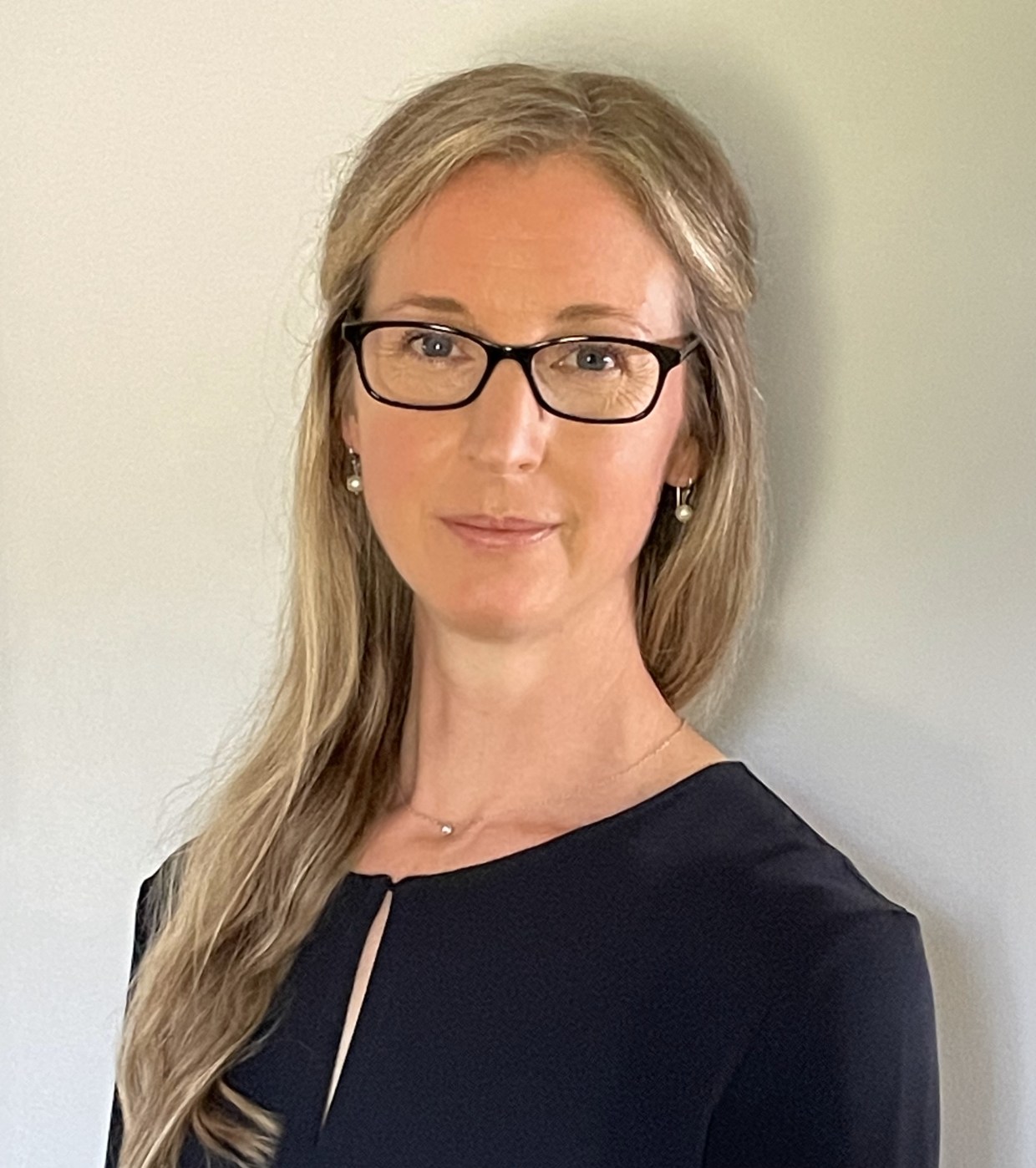
Charlie Baker, who recently stepped down as CEO of Harvard Pilgrim, noted in his blog for the nonprofit health plan that as a result of merging the individual and small group insurance markets, individual premiums plunged an estimated 25% while small group premiums edged up by 2% to 3% to help pay for the arrangement.
His larger point is that unscrupulous individuals, including some employers and brokers, are cheating the system by purchasing health insurance for a few months at a time and ratcheting up utilization before dropping their coverage. They figure the $900 penalty for not having coverage is a small price to pay, but their actions are driving up expenses for law-abiding citizens.
Thats news to Richard Moore, a Democrat from Uxbridge who chairs the Special Senate Committee on National Health Care Reform. He says Baker never raised the issue to him or Senate President Therese Murray, nor expressed any concern that health care reform isnt working. But he says the committee, which has held hearings to determine what lessons learned from the states 2006 health reform effort can apply at the national level, is willing to consider ways to address the shady activities that Baker mentioned.
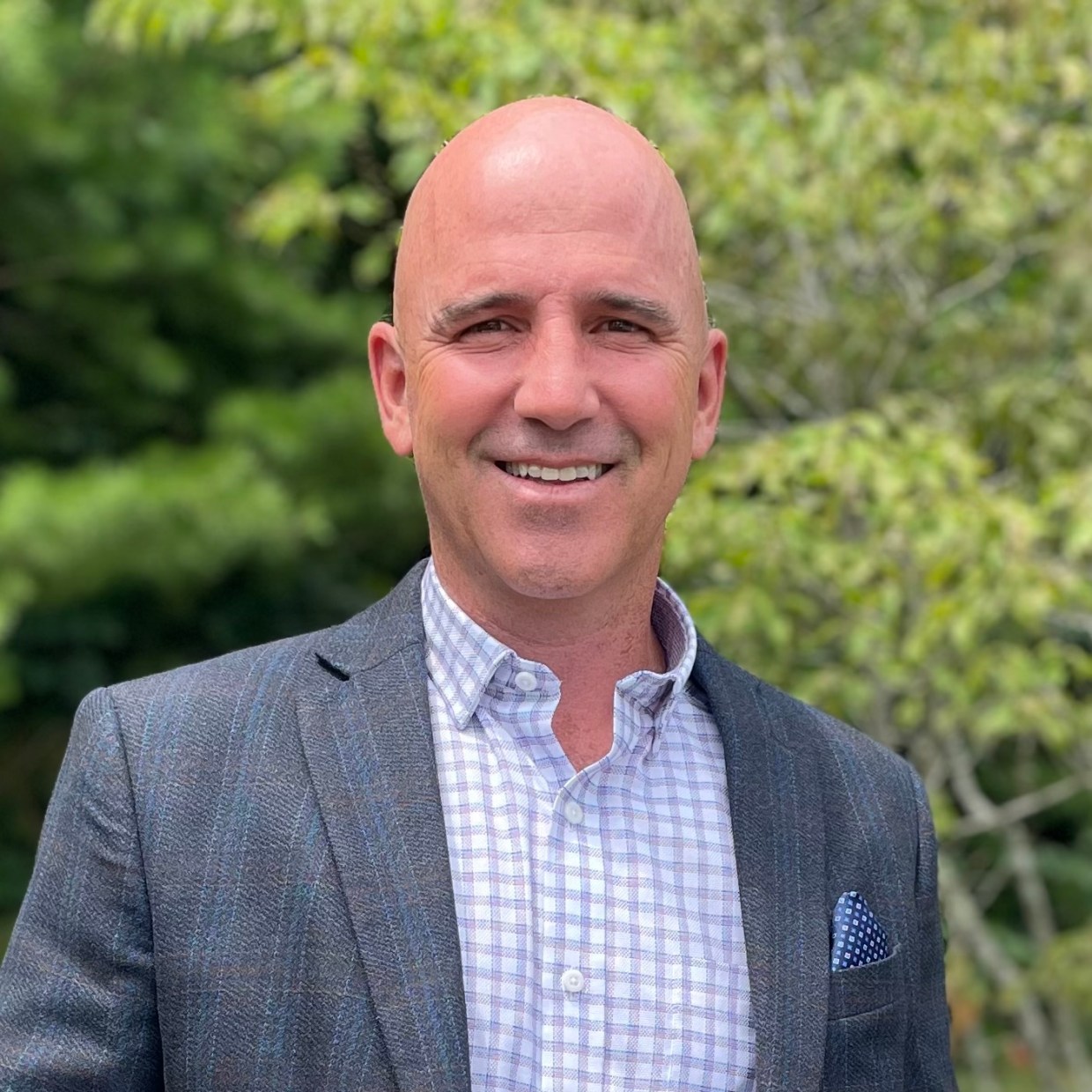
Bill Randell, a broker who co-owns Advantage Benefits Group, Inc. in Worcester, Mass., reports that while employers may not be dumping group coverage, theyre unloading some of their employees onto the program that subsidizes premiums for needy residents.
He notes that the Commonwealth Care plans eligibility requirement of household income not exceeding 300% of federal poverty guidelines means a family of four earning as much as $66,156 can qualify. Another problem is that state residents who are eligible for a group plan cannot participate in Commonwealth Care, but he gripes that no one bothers to verify this information.
Enrollment in the subsidized program climbed to 177,000 from 165,000 in a recent three-month period and is projected to reach 212,000 next year. One irony is that Commonwealth Care was cut 12%, or $115 million, in response to a budget crisis and surge in enrollment by newly unemployed individuals. Program spending also has more than doubled in the past two years and now stands at $1.3 billion.
Moore notes that 430,000 previously uninsured citizens are now covered, with nearly 100,000 employees added to group insurance rolls. A Rasmussen survey, meanwhile, found that only 26% of Massachusetts residents deem the states reforms a success, just 21% say health care is more affordable and 10% think quality of care has improved.
Randell suggests that the open-enrollment period be limited to one month rather than have it continue to be an open-ended process, which will help stem abuse. He observes that few health insurance carriers want to do business in Massachusetts.
His advice for federal lawmakers: If you make a government plan too easy to qualify and do not have the proper checks and balances, there will be a shift from private to subsidized plans and costs will be much higher then expected.
Guest blogger Bruce Shutan is a former managing editor of Employee Benefit News and a freelance writer based in Los Angeles.