The risky trend that’s putting secure retirement in danger
Employees at every income level can benefit from offerings that help them set aside savings, without impacting retirement prospects.

Follow Us
© 2026 Arizent. All rights reserved.

Employees at every income level can benefit from offerings that help them set aside savings, without impacting retirement prospects.
The chief financial officer at Imagine360 shares how leaders can bridge finance and benefits.
Employees providing long-term care for loved ones report high stress and say limited flexibility and benefits hurt their jobs.


Medical plan cost increases or adjustments will require increased employee education, providing an opportunity to reinforce health literacy.
Experts from tuition.io share strategies for helping employees pay off their debt and seek out upskilling opportunities.

From AI-powered life coaching to smarter claims processing, startups say automation can personalize benefits and help employers and doctors save time and money.

A talent expert from MedPro Healthcare Staffing shares how flexibility, wellness, AI tools and professional development factor into overall employer care.

A focus on employee well-being, and an embrace of technology should guide benefit managers' decisions for the new year.


Managers can improve a company's culture, but they need resources that streamline the workflow and support employees.

CannaLnx, a new digital health platform, connects doctors, insurers and dispensaries as employers begin adding reimbursable medical cannabis to workplace benefit plans.

Access to a well-rounded primary care team can help employees maintain a healthy preventative routine.
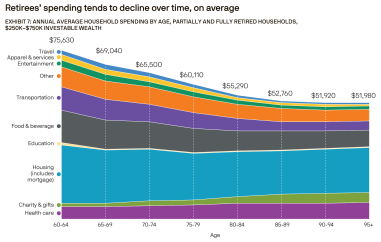
Popular retirement withdrawal strategies like the 4% rule assume a steady rate of spending for retirees. But new research from J.P. Morgan shows that premise is often disconnected from reality.

AI is reshaping employee benefits, from personalized programs to virtual assistants, while soft skills and remote work are gaining importance.

With healthcare costs in overdrive, cardiovascular disease (CVD) is flooring the accelerator.
New benefits or upskilling programs could keep employees happy and engaged.


Wellness rooms, thoughtful sensory inputs and layouts that boost functionality can reduce workplace stress.

Benefit leaders can get a head start on preventing burnout in 2026 by ensuring employees take a holiday rest.

Legislation can help small employers offer health benefit options that attract and retain talent.
From improving access to care to investing in better benefit data collection, being proactive is the key to keeping costs low.

Working parents need supportive resources that help them balance their job and family responsibilities.