Benefits Think

How Congress can address healthcare affordability for small businesses

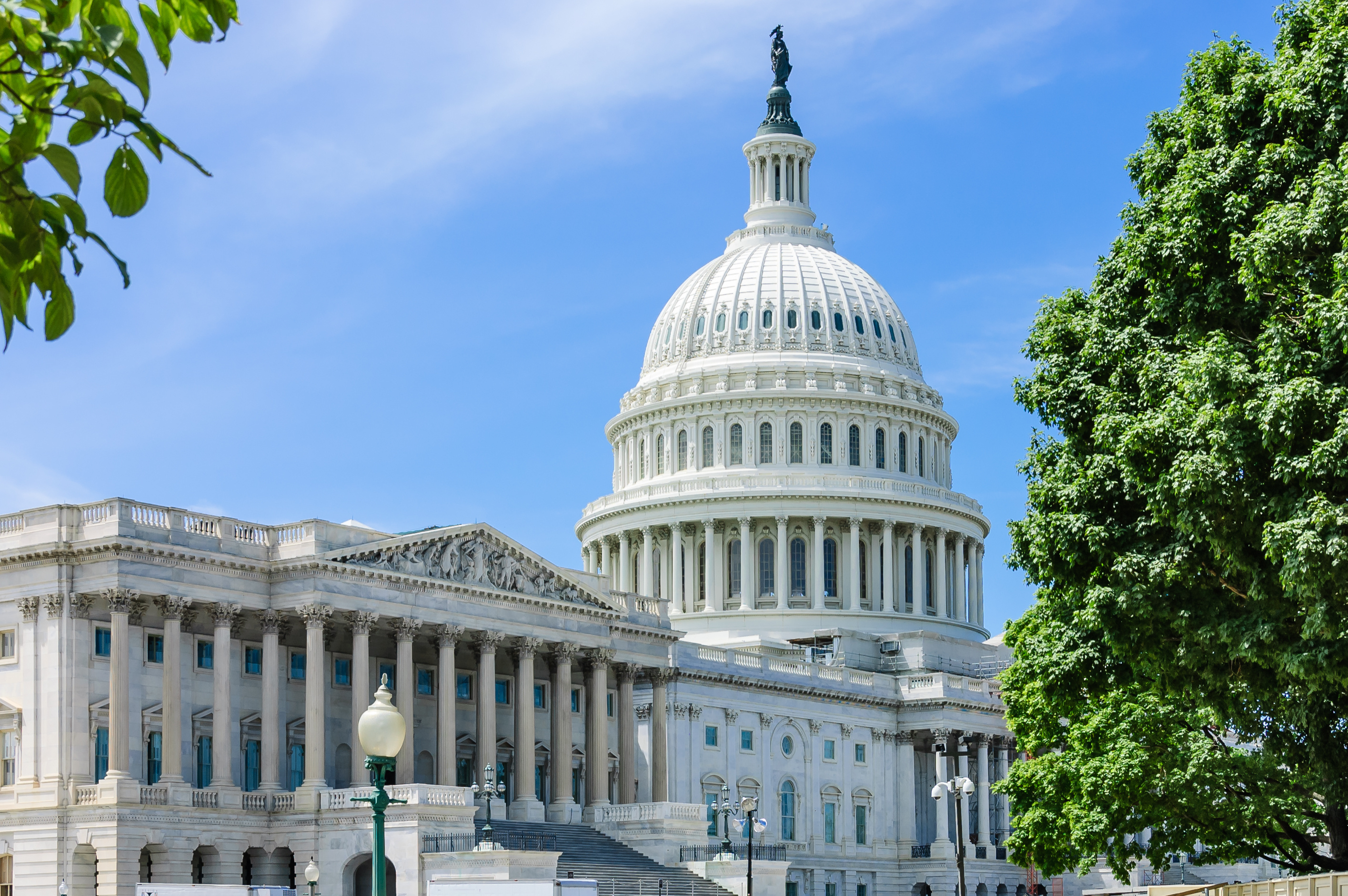
Capitol building
Adobe Stock

As Congress gets ready to reconvene, small business owners still face a crisis: The cost of healthcare is unsustainable. According to Gusto research, the median health insurance premium for small businesses in America has risen 23% since 2022, outpacing inflation by 13% over the period. 

Processing Content

Last year, when asked what they wanted the new Administration and Congress to prioritize, small business owners cited healthcare costs as their top concern, ranking it above even taxes and other critical policy matters. For the country's 33 million small businesses, this isn't an abstract policy debate. It's a day-to-day question of whether they can afford to compete for talent and keep their employees covered.


Our research shows small businesses that offer healthcare have an easier time recruiting employees, and those employees perform better once hired. Health benefits aren't just "nice to haves." For a coffee shop trying to keep its baristas, a child care center trying to retain its teachers, or a contractor competing for skilled tradespeople, health benefits are fundamental to competing with larger employers.

Read more:  EBN's best of 2025: How employers are evolving wellness benefits

Yet the playing field is tilting against small employers. Over the last few years, small businesses have experienced a disproportionate increase in health insurance premiums compared to their large business counterparts. A large firm can spread risk across thousands of workers and negotiate better rates; a business with 10 or 20 employees has far less leverage and a smaller budget. Many small employers are now deciding between the difficult choices of raising prices, cutting wages, or dropping coverage altogether, creating an even greater disparity between large and small employers in the labor market.

And the consequences extend beyond individual businesses. When younger, healthier populations can't afford coverage, they can't help stabilize the insurance risk pool. This creates a vicious cycle: Higher premiums push healthier people out, which raises costs further. Breaking that cycle is not just about helping employers, it's about restoring balance to a market that depends on broad participation.

Fortunately, Congress has already laid the groundwork for potential solutions. During the debate of H.R.1, the One Big Beautiful Bill, earlier this year, the House of Representatives passed provisions strengthening Individual Coverage Health Reimbursement Arrangements (ICHRAs) (also renaming them as CHOICE arrangements). There are three House-passed provisions that deserve another look.

Read more:  This company's retirement strategy starts with student loan repayment

First, they would codify ICHRAs, providing regulatory certainty for employers and employees. Second, they would permit employees enrolled in CHOICE arrangements to use salary reductions to pay for health plan premiums purchased through an Exchange, giving workers more flexibility and tax advantages. Third, and perhaps most importantly, they would create a two-year tax credit for small businesses with fewer than 50 employees offering coverage through CHOICE arrangements for the first time. The credit would provide $100 per employee per month in the first year and $50 per employee per month in the second year.

These provisions matter because ICHRAs have been growing as a viable option for small and medium-sized businesses to offer healthcare. The tax credit would accelerate adoption, helping businesses that have been priced out of traditional group coverage provide health insurance to their employees. With legislation expected to be introduced in the House soon, Congress has an opportunity to finish what it started.

Congress also made progress on another practical tool for small businesses, health savings accounts (HSAs), by expanding the ability for HSAs to be paired with Affordable Care Act Bronze and catastrophic plans (plans with higher deductibles and out-of-pocket maximums than group HDHPs) where an HSA makes sense as a way to help workers manage upfront costs. However, Congress stopped short of completing these reforms earlier this year.

Read more:  Exclusive research: How to help parents stay present and productive at work

Small Group Bronze plans have the same actuarial value as the individual market ACA plans. Congress should also allow HSA usage with these plans. Doing so would create parity across markets, allow small employers to contribute to HSAs for their employees, and extend payroll tax advantages to workers who are trying to save for routine care and unexpected medical bills.

The barrier for small businesses isn't willingness, it's cost. By codifying ICHRAs with meaningful tax credits and expanding HSA eligibility to create parity across markets, Congress can give small employers practical tools to keep coverage affordable without reforming the entire healthcare system.

Making healthcare more accessible to small businesses is a net positive for everyone: It strengthens insurance risk pools, helps small employers compete for talent and gives workers more stability in their lives. Once Congress returns to its legislative agenda, lawmakers in both parties should build on the foundation already laid in the House-passed One Big Beautiful Bill. Supporting the backbone of the American economy — small businesses — should not be a partisan issue. These are concrete, effective, and achievable steps to do just that.

For reprint and licensing requests for this article, click here.
Healthcare-related legislation Politics and policy Employee benefits
MORE FROM EMPLOYEE BENEFIT NEWS