- Key insight: Learn how tailored caregiver benefits convert into measurable retention and productivity improvements.
- What's at stake: Talent retention and business outcome hinges on child care benefit strategies.
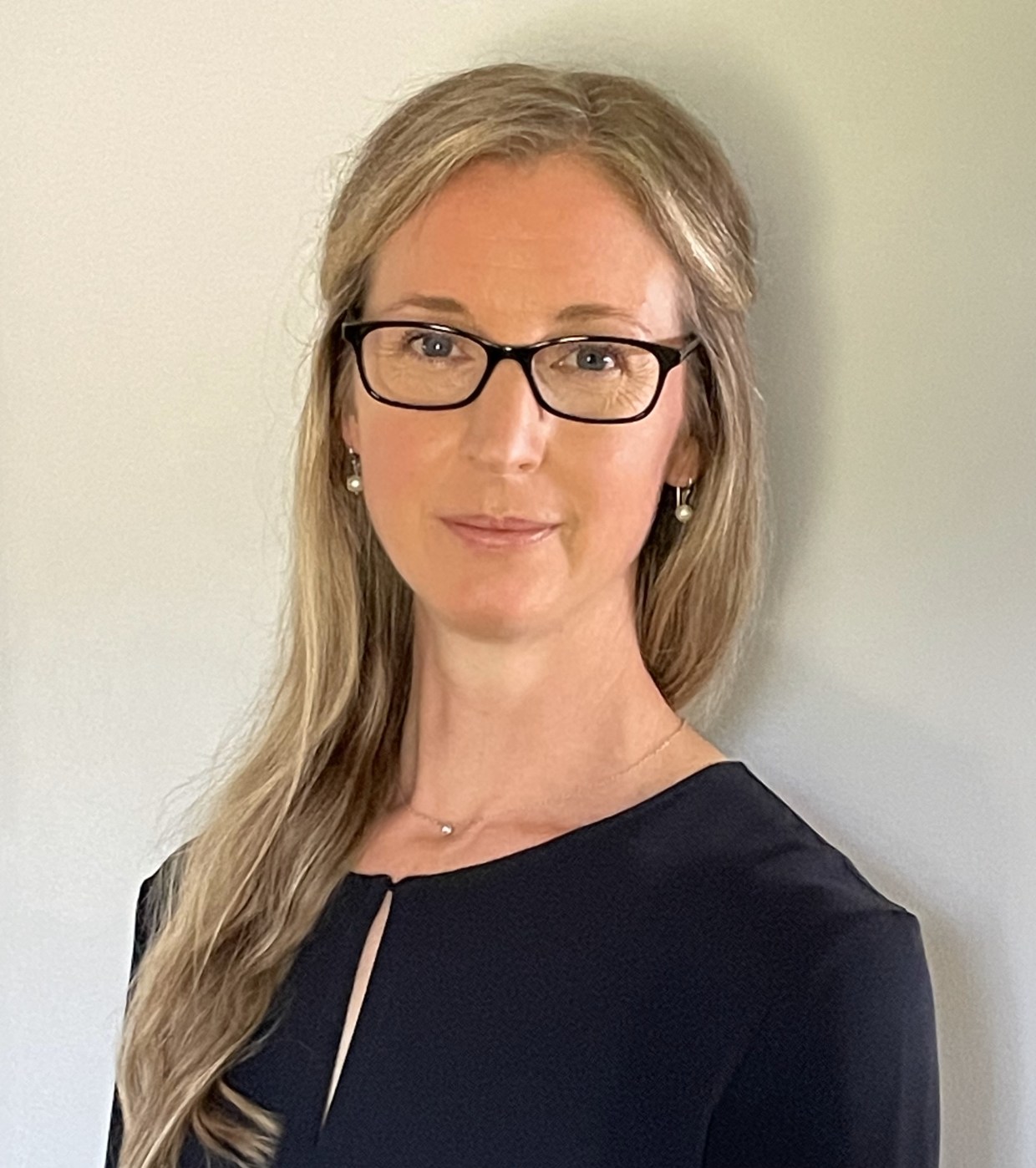
- Expert quote: UrbanSitter CEO Lynn Perkins urges tailoring benefits and communications to increase utilization.
- Source: Bullets generated by AI with editorial review
This is the third article in a series on working caregivers and how employers can support them. Read
Balancing work and parenthood is hard. And while there's no silver-bullet solution for all their challenges, there are many ways benefits can make things better.
In
In open-ended responses, parents voiced that things like reliable daycare, after-school care,
These generations also expressed the most worry over the impact caregiving has on their job performance. To help parents strike a better balance between work and home, benefit leaders can put together a suite of offerings and company programs that give them the time, peace of mind and a sense of community they're looking for.
Read more:
Limited options lead to high stress
In its
Overall, 88% of respondents reported moderate to very high stress, with 35% saying juggling work and home life was the primary reason. Child care is a main catalyst: 86% said they need child care in order to work, but 43% said it's difficult or very difficult to find, and another 43% don't have adequate backup-care options. Of those who do have regular child care, some spend more than 30% of their household income to cover the cost. Nearly half said child care subsidies or benefits would be their No.1 most-appreciated employer perk.
Data like this gives benefit leaders a good jumping-off point, and they can seek more specific feedback from their working-parent population to find out what offerings, policies and programs will be most appreciated, says UrbanSitter CEO Lynn Perkins. She emphasizes the importance of communication, since many companies have benefits in place but they go unused due to lack of employee awareness.
Read more:
This can start at onboarding and continue through channels such as relevant ERGs, company communication channels like email and Slack, and shared examples of use by other employees. Perkins notes one client's strategy of doing wellness benefits promotions during certain months, bringing in outside speakers to talk about a wellness topic, and using this time to remind people about the related benefits available. Because of this thoughtful approach, utilization of UrbanSitter at this company is higher than average, she explains.
UrbanSitter helps families choose from a wide range of vetted options for local child care, including babysitting, nanny services, daycare, backup care, preschool and tutoring. It also connects people with in-home elder, pet and home care. Backup care proved to be an especially high ROI option within the report: UrbanSitter's data shows those who have access to this miss 40% fewer days and are 20% less likely to report high stress.
"Knowing the population is always important to start, and then [you can] market [benefits] to them correctly," she says. "[For example,] UrbanSitter will come and do lunch-and-learns and things like that, and your ERG group should be promoting this as something that parents can use when they're in a pinch. It's about tailoring the message to the right audience within the company."
Read more:
The power of good benefits
UrbanSitter's report shows that when caregiver benefits are available, working parents are 77% less likely to reject a promotion, 62% less likely to cut back their work hours, and 74% less likely to leave the workforce. Perkins reminds benefit leaders that benefits don't have to break the bank — just providing a tool to help employees find the right resources can do an enormous amount of good.
"Sometimes companies forget that there's this invisible time suck, which is actually the finding of the solution," she says. "It's one thing to have to shell the money out for a provider, but actually finding that person can take a really long time and can be very distracting from somebody's day-to-day productivity."