How this startup helps minorities reach financial wellness
As communities begin to build back their finances after the pandemic, this company wants to close the gap in equitable lending.

Follow Us
© 2026 Arizent. All rights reserved.

As communities begin to build back their finances after the pandemic, this company wants to close the gap in equitable lending.
The COVID-19 pandemic has fundamentally changed how people interact with their benefits, their jobs and their medical needs.


Addressing drug and alcohol addiction needs to be a long-term strategy for employers.

Making it easy and rewarding for remote employees to take part in wellness programs builds a sense of belonging and can also have a positive impact on the employees’ physical and mental health and well-being.

Demand for resources provided by Ginger, which connects users to behavioral health experts and services such as coaching via a mobile app, is surging in the COVID-19 pandemic.

Employees have increasingly been turning to their employers for support managing the stressors in their lives outside of work.
Employers can demonstrate support for sober employees by working with their wellness program providers to incorporate new programs, policies and practices within their workplaces.
“Pets really have a positive impact on people,” says Melissa Marshall, vice president of people and organization at Banfield Pet Hospital.

Employees are more confident at work and more loyal to their employer when their tuition and fees are subsidized.


“We can see a future where over the next 10 years, most healthcare interactions will be online,” says Robin Glass, president of Doctor on Demand.

2020 changed nearly everything about how benefits consultants communicate with their clients and employees. And while on-the-fly tactics may have worked last year while we were adjusting to the “new normal,” we need to prepare with purpose in 2021.
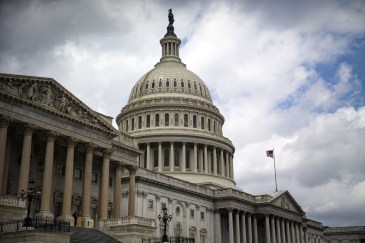
The memo calls for Congress to work with the White House to include permanent paid leave in the $3 trillion “Build Back Better” recovery plan the Biden administration is preparing to roll out.
COVID, financial instability and a lack of child care are affecting working mothers’ mental health.

Demand for fertility benefits is rising as more employees delay starting families.

Mental health needs and disorders are the single most expensive category of health costs for employers of all sizes and across all industries.
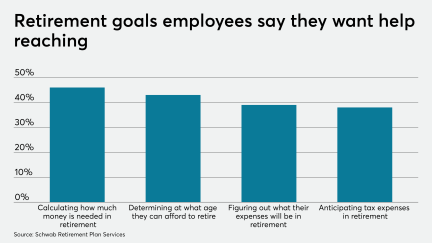
Financial wellness requires more than a typical 401(k) benefit.
Employees are looking for new jobs and leaving the workforce in record numbers. How can you get them to stay?

Supplemental health benefits can be a key component to employee wellness.

As local governments have issued stay-at-home orders and shut down businesses to fight the spread of COVID-19 in the past year, cases of domestic violence have increased.