Views 5 open enrollment communication strategies for your remote workforce
During COVID-19, it's more important than ever to build a communication strategy for available benefit offerings.

Follow Us
© 2026 Arizent. All rights reserved.

During COVID-19, it's more important than ever to build a communication strategy for available benefit offerings.
The power of positivity should not be overlooked, and recognition plays a critical role in generating these emotions in a modern workplace.


More than half of Americans' financial health has been negatively impacted by the effects of the pandemic.


In addition to concerns over their employment status, many employees say they feel they have been taken advantage of by management and have worked harder than before the pandemic started.

A pair of experts have developed a collection of tools and techniques to help HR focus on the employee as a whole person and help solve their issues with three key words.
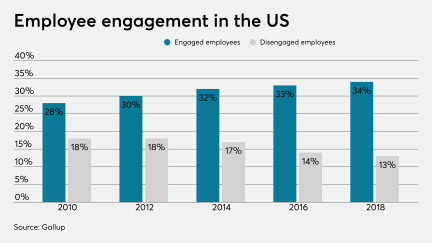
At some point in their careers one in two employees has left a job to get away from a toxic manager, according to a Gallup study.

While it’s tempting to want to return to normal at work, employers must continue to show compassion and empathy if they hope to be successful during COVID-19 and beyond.


As a manager, it’s more important than ever to make sure your employees feel valued and that their efforts are acknowledged.
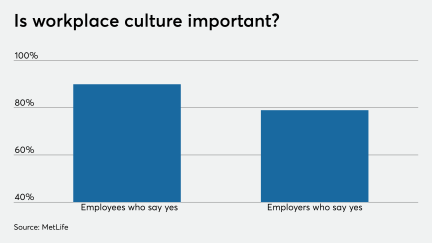
The pandemic has challenged employers to identify their core values and mission to keep employees engaged.
Enterprise service management doesn’t replace HR systems that store data — it complements those systems by organizing the service dimension of HR.


To ensure employees feel comfortable returning to the workplace, company leadership needs to know how they feel about coming back and what safety concerns they may have.

Employers and leaders can set a tone that emphasizes concern for employee wellbeing by offering compassion, honesty and openness.
These pivotal decisions are tied to an already complex web of issues related to liability and safety, employee needs and preferences, and capabilities, that are now amplified by coronavirus.

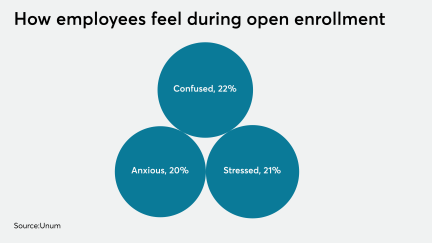
Now is the time to reimagine your enrollment process and ensure you have the tools in place to communicate your benefits clearly.

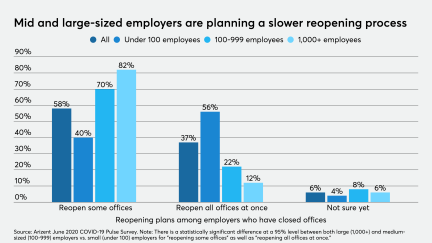
Our third monthly survey found almost six out of 10 employers report that their plans for the return to work are stymied by uncertainty — specifically, a lack of clarity on the right timing, and persistent questions about how to provide a safe environment for their employees.

It’s more important than ever to ensure the team is engaged in their piece that rolls up to the overall success of the organization.

The pandemic highlights why employers must have well-defined core values and communication strategies.


“The mindset has shifted in terms of how we need to be able to lead and support a virtual workforce,” says Edward Jones CHRO Kristin Johnson.

Lack of work-life balance, being micromanaged, and a lack of social support are some of the top issues employees complain about on AllVoices, a platform that provides real-time feedback with company leadership.
The pandemic is an opportunity for companies to adjust their communication strategies and business values to connect with employees.