Walmart creates emergency leave policy for workers amid virus
The coronavirus outbreak has thrust corporate policies on paid leave and workplace practices into sharp focus, especially for the retail and restaurant industries.

Follow Us
© 2026 Arizent. All rights reserved.

The coronavirus outbreak has thrust corporate policies on paid leave and workplace practices into sharp focus, especially for the retail and restaurant industries.
The restaurant chain is rolling out new benefits for corporate employees and may consider extending them to food service staff.


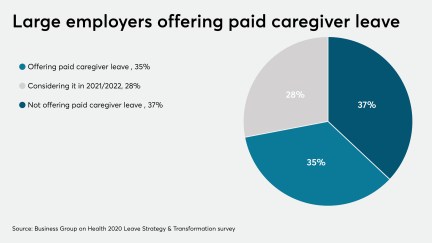
“Given the demographic trends we are seeing, today’s workforce will continue to face the challenges of caregiving,” says Scott White, vice president of global people operations and rewards at Levi Strauss.

Parents will now be entitled to a total of 16 weeks of time off.
The total amount of families’ daily allowance days would increase from 11.5 months to more than 14 months, with both parents receiving an equal quota of 164 days.

“When it comes to leave, there is still an opportunity to meet the specific needs of your population,” says LuAnn Heinen, vice president at Business Group on Health.

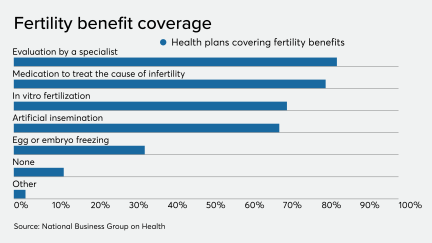
The company also expanded benefits to include a variety of family planning options, from fertility treatments to adoption and surrogacy.

Careers with a high number of men, like finance and technology, are much more likely to get paid time off to care for newborns than those in other female-populated industries, like healthcare and retail.

Auto enrollment and auto escalation led to a 97% participation rate in SSI Group’s 401(k) benefit, the firm's HR director says.

From fertility benefits to options for gig workers, companies made significant changes to their packages this year.


These are the most coveted non-insurance and retirement benefits, according to employees surveyed by Unum.

Employers can help their workers relax and enjoy the holiday season with important benefits and perks.

Offering paid leave encourages retention and cuts down on costs for employers.

Employees on parental leave will have an option to ease back into work through a part-time schedule.

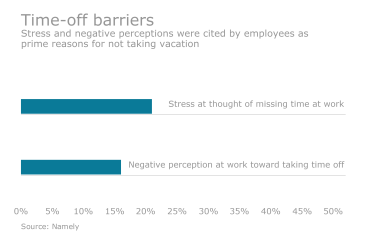
Setting guidelines will level the playing field for employees with generous vacation policies.
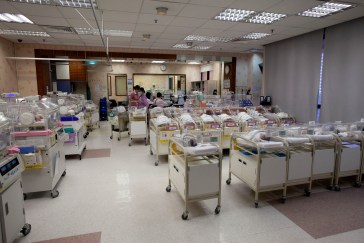
New parents will be given 12 weeks off to care for newborns if they've worked for the government for one year.
Single employees are missing out on $118 in healthcare contributions compared to their married counterparts. Here’s how employers can make benefits more equitable.

Your company may be losing the war for talent by not offering a comprehensive PFML program.

The travel center operator is providing the benefit to all full and part-time employees.

What employers are doing right — and wrong — can provide vital lessons for HR and benefits professionals seeking a road map that helps avoid mishaps along the way.