Benefits Think

How voluntary plans close coverage gaps for women

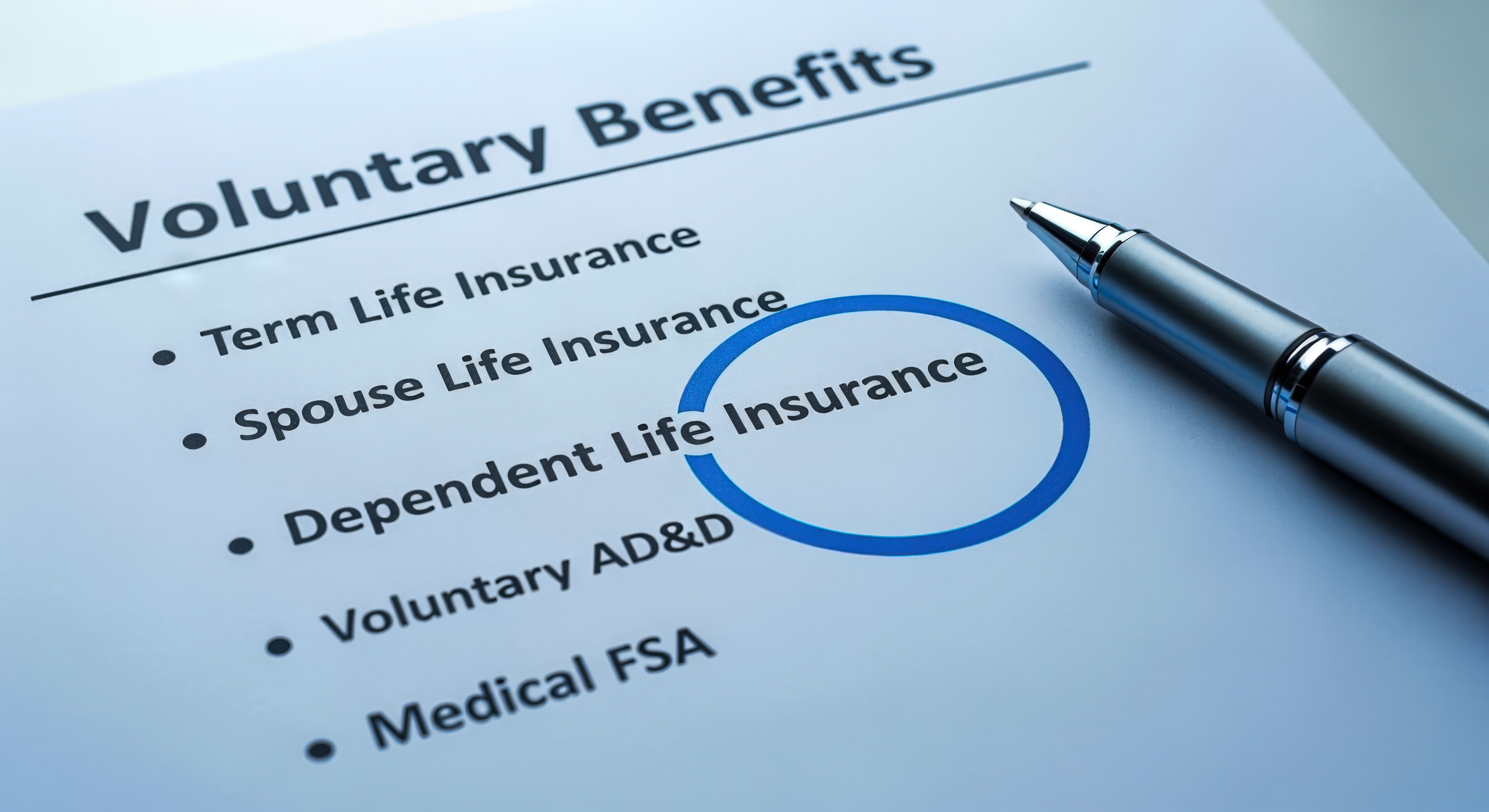
Voluntary benefits form with pen highlighting spouse life insurance option for employee enrollment.
Adobe Stock

HR and benefits professionals know that women are increasingly the primary benefits decision-makers for their households, especially among lower-income workers, but they're also carrying heavier burdens without adequate support. 

Processing Content

Research from The Standard shows that 72% of women earning less than $50,000 hold the benefits for their families compared to 62% of higher earners. At the same time, women shoulder a disproportionate share of caregiving responsibilities. They dedicate nearly twice as much time to family caregiving as men, according to the Bureau of Labor Statistics.


Despite being on the front lines of both caregiving and benefits decisions, women report feeling significantly less supported. Payroll Integrations' 2025 Employee Financial Wellness Report shows only 32% of women feel completely supported by their employer's financial wellness programs compared to 56% of men. In addition, just 36% of women say their benefits package completely meets their needs vs. 48% of men.

These women are making decisions based on real caregiving experience. They understand what happens when a child gets sick or a parent needs care. But they're doing it without the support they need to navigate their options effectively. When one-size-fits-all benefits don't align with what primary decision-makers actually need, employers see weaker engagement, higher turnover and diminished return on their benefits investment.

Complicated enrollment materials and annual open enrollment meetings assume employees have time to digest complex information. For hourly workers, union members and front-line employees, that's often not realistic. Employers, recognizing that passive exposure to benefits is no longer sufficient, can provide better access and support by offering in-person enrollment opportunities. 

Even with a human-first delivery method a disconnect may still exist. Many traditional benefits weren't designed with caregiving responsibilities in mind. Short-term disability typically covers only the employee. But women are more likely to need time off or financial support when a family member gets sick, not just when they are sick.

Voluntary benefits offer employers a way to address both sides of this equation and an opportunity for brokers to turn those product lines into strategic solutions. They expand what's offered without increasing direct costs, while helping improve employee retention.

Critical illness insurance, for instance, can cover family members, not just the employee. If a woman managing her children's health care or caring for an aging parent experiences a serious medical event, critical-illness insurance will protect her while she continues to protect them. The same applies to accident insurance or disability insurance plans. They address the specific financial risks of household decision-makers.

Be mindful that effective benefits communication should connect to real situations people are facing. It has to be more than "Here's your coverage for diagnostic testing." A far better approach is "What happens if your child needs emergency surgery? Here's how this helps." That's the difference between abstract policy language and information people can actually use.

Consider a male-dominated workforce whose spouses typically make the family's health care decisions. Face-to-face enrollers who provide education and enrollment materials that are simple enough for workers to take home and discuss with the actual decision-makers provide better outcomes. Plain language, concrete examples and mobile-friendly formats for reviewing on personal time ease the burden of what is often a complicated process. When benefits match how families live, enrollment improves.

That kind of success requires rethinking how benefits information gets delivered. A good place to start is segment communication by demographics and life stage. A lower-income woman with young children has different priorities than a single mid-career professional. It's important to meet workers where they are — job sites, break rooms, smartphone apps — not just conference rooms during the workday. 

The same thinking applies to how benefits are explained. It's so much more effective to use scenarios instead of insurance jargon. People don't need to know what "critical illness" means. They need to know that if they experience a catastrophic event, this product pays them cash to help cover expenses that health insurance may not. 

Communications also should be a regular occurrence. Payroll Integrations' report shows that employees prefer monthly communication about their benefits, but many employers communicate far less often. A one-page summary with bullet points highlighting guaranteed issue coverage and portability does more than a 20-page packet. The goal is simple: grab attention with information that makes a difference. You quit tomorrow; this coverage goes with you. Typical employer coverage doesn't.

The business case for closing this gap is getting stronger. As health care costs continue rising, employers are cutting back on paid benefits. Voluntary options fill that gap, but only if the people making household benefits decisions — disproportionately women — understand what they're buying. The return shows up in engagement, retention and employees who actually use the benefits they're paying for.


For reprint and licensing requests for this article, click here.
Employee benefits Healthcare
MORE FROM EMPLOYEE BENEFIT NEWS
Load More