

A new generation of women is prioritizing retirement readiness
An expert from CFP Board shares why women often experience setbacks in saving, and how younger generations can break this trend.
By
Lee Hafner
Follow Us
© 2026 Arizent. All rights reserved.

An expert from CFP Board shares why women often experience setbacks in saving, and how younger generations can break this trend.

Their CPO discusses the long-standing and newer programs, policies and benefits that have led to low attrition and positive employee feedback.

When workers see and understand the true value of their compensation package, their satisfaction and engagement improve.
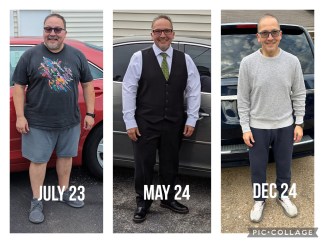
By focusing on behavioral changes around food, people are better able to lose weight and keep it off long-term.

When employees feel valued, they show up and work hard. When they don't, it can be bad for business.

Alicia Carpenter shares what she's learned about setting boundaries and making tough decisions during her journey to the C-suite.

Building a business case for child care benefits can be a challenge, but these offerings will only become more important, according to a new employer survey from KinderCare.

Well's cofounder explains how a well-designed "roadmap" to individual employees' health, along with easily-absorbed education, leads to better outcomes.

A tech industry veteran shares the impact of screen addiction, and how to figure out the best ways to temporarily detach.

A new survey from Prudential predicts how the new generation's future will look, and what kinds of financial challenges this will create.

Genetic testing and at-home screenings for colon, prostate and cervical cancer give workers and their families access to early intervention.

An expert from New York Life Group Benefit Solutions discusses the burden of rising costs, broader offerings and communication methods that work.

When an employer makes it easy for workers to give back where and how they want, the benefits go far beyond increased participation.

From flexibility to financial advice, employer offerings are a huge part of a caregiver's ability to stay healthy, productive and stable.

Personalized options and an understanding that extreme activities aren't necessary makes exercise more approachable.

An emphasis on camaraderie helps this team become more relationship-minded with each other, their clients and their community.

A multi-level delivery method makes benefits information more digestible, improving participation and giving employees a sense of empowerment.

A mental health expert shares good practices for the multiple stages of support employees need during and after a crisis.

The majority of Americans aged 65 and over will need long-term care. What benefits will they and their families need?

Experts share the short-and long-term strategies employers should put in place to help employees impacted by the crisis.