Hawaii-based firm offers workers 100% medical coverage

Who among us hasn't dreamed of ditching it all and moving to Hawaii? The sun, the sand, the scenery - America's archipelago state comes presold as a location, albeit with eye-popping transportation and cost-of-living expenses. So naming a place as one of the best places to work in Hawaii can seem like picking the best sweet shop in Candyland for some.

Processing Content

One architectural and engineering firm, Bowers + Kubota, has earned that extra-sugary title more than once. Hawaii Business magazine named Bowers + Kubota its best medium-sized place to work for in 2012. In addition, the company has been named the best firm to work for nationwide by CE News, a civil engineering and land survey magazine.


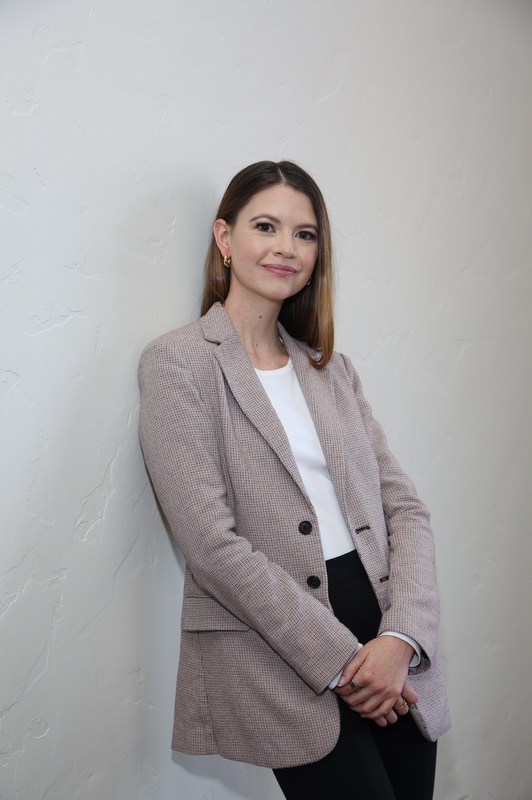
B+K principal and vice president Dexter Kubota talked to EBN about free health care, retirement plans with succession implications and the Hawaiian word for family.


What do you think sets you apart?

It starts with our culture that we've nurtured and developed. We have a kind of family here with 120 staff members. You know, a lot of firms say that they treat themselves as family, but we really walk the talk there. Family and what we call "ohana" - a Hawaiian word for family - is actually one of our core values in our strategic plan. It's one of the values we live by. The others are quality, taking care in the level of our work; teamwork, working together as a unit; ohana; integrity and wellness - those are the core values of our company. And in our culture, we try to create a safe and challenging work environment that is conducive to growth for each individual employee. You have to take care of your own people before you can take care of customers and consumers.


Those philosophies - how do you get that integrated at the very ground level?

This family-oriented culture that we have, that's what, I think, really makes us unique and different, and I think that's what I would like to expand on because it really talks about our staff and really the quality of people that we have.

Benefits, as you know, are so important to employees - in many cases more so than salary. And probably the most costly benefit to any firm is medical, and we have been providing and covering 100% of medical, dental and optical for not only the employees but for their families, so they don't pay a dime for medical or health insurance.


I'm sure a lot of employers would love to do that, they would just wonder how they could afford it.

That is a good question. But the reason why we continue to do this, again, is that we're a family culture. So we're not only taking care of the employee, we're taking care of the family. And it is an expense for us, but what we started to do five years ago, we looked at it, and we said what we need to do as an employer is make better choices and take care of our health. I think what happens now in our society is that people tend just to do what they want, eat what they want when they want, and then when something goes wrong, they just go to the doctor and get a pill or a shot or a treatment, instead of thinking preventive.

So we were looking internally and said, "OK, we need to do better with our own people to maybe look and prevent and improve our health care." We started a wellness program called WHIP It - that stands for Wellness & Health Individual Program - and it's actually won a national award from the American Psychological Association in the small business category, as well as [their award] for best practices.

[The program] talks to taking care of the individual, and it's been a very good program for us. I think we've seen a lot of improvement, and on different levels. It's an incentivized, Web-based program where each employee can get points on a weekly basis for various things that they do - getting your measurements, going to your doctor, knowing your blood sugar - some of the basics, but also stuff like flu shots or visiting the optometrist. You also get points for so much fitness and exercise. And there are nutrition and mental wellness aspects to it, too.

The top point-getters get prizes and participation has risen every year. We try to make it fun; it's not a pressure situation. We're trying to raise the awareness.

We pay attention to that [health care] bill, but we feel it's a very important benefit to offer [100% coverage] to our employees. We said to them: "We all have to do our part. We can't rely on the health care system to take care of us; we have to take care of ourselves." And the best way to do that is to incentivize the program, but we also have a strong emphasis on education. So we bring in speakers and we bring in doctors to explain why we need to do this or that. Education and awareness are a big part of that.


Moving on to the second most expensive benefit: retirement plans.

Up until last year, we had a profit-sharing plan and a matching 401(k) plan. We match up to the first 3%. But [for profit-sharing] we were [contributing] probably 9% to 10% for an individual. So for retirement, everybody was getting 3%, but also about 10% for profit-sharing. In December [of 2012], we transitioned into an employee stock ownership plan. We're hoping to increase the benefit to each employee through the success of the company. It's still new and people are still starting to grasp what that means for them, but really it was meant so we can increase the retirement benefits and also set up a succession plan. In 2011, we contributed around $1 million to the retirement plan. Last year, it was approximately $2 million to the ESOP.


For reprint and licensing requests for this article, click here.
Quality of life benefits
MORE FROM EMPLOYEE BENEFIT NEWS
Load More