How employers can rectify the LGBTQ pay gap

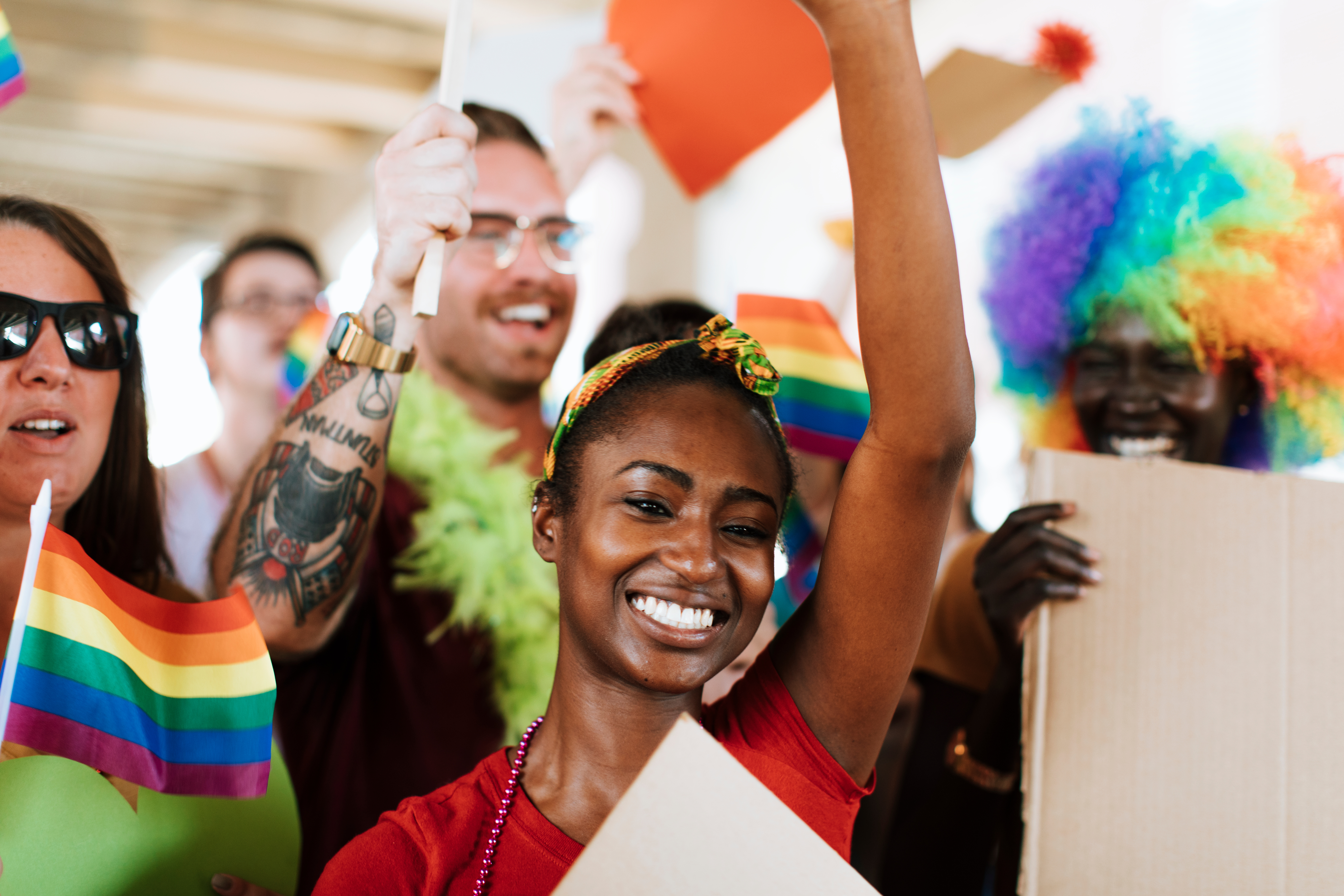
A group of people waving pride flags, smiling and looking off to the distance.
Adobe Stock

Most employers are aware of the pay gaps that exist for women and people of color — but have they noticed the pay disparities among their LGBTQIA employees? 

Processing Content

According to a Human Rights Campaign survey of nearly 7,000 queer-identifying workers, LGBTQ+ talent makes 90 cents for every dollar a cisgender, heterosexual employee makes. This gap only widens when that employee is also a woman, person of color, trans or all of the above. Trans women are disadvantaged the most, making just 60 cents on the dollar. 

"Even though so many companies have made great strides in diversity, equity, inclusion and belonging, there's a lot of work that still needs to be done," says Sarah Reynolds, chief marketing officer at HR tech company HiBob. "Compensation is fundamental to the relationship between employer and employee. We don't go to work for fun; we exchange labor for, hopefully, fair compensation."

Read more: How Puma's head of DEI transformed their recruitment strategies

Reynolds notes that the pay gap is likely rooted in discriminatory behaviors or assumptions from leadership (whether conscious or unconscious). Hiring managers may take salary negotiations with a queer employee less seriously or queer employees may have trouble establishing the relationships often needed to score big promotions or pay raises. But the "why" is less important than the solution, which Reynolds believes will involve gathering feedback through surveys — which in this case, is much easier said than done.

Reynolds, who identifies as non-binary and uses they/them pronouns, knows firsthand how hard it can be for queer talent to be open about their gender identity or sexuality. On the flip side, they know how confusing it can be for HR, who is often in the dark about the size of their LGBTQIA population.

"One of the simplest but hardest things to execute is to measure pay gaps," says Reynolds. "Until we create safe spaces in our organizations, where employees feel comfortable self-identifying, HR will never be able to overcome the hurdle of understanding what the [gaps] even look like."

Read more: Lack of psychological safety could cost companies up to $15 million a year

One key way employers can build a safe workplace culture is through employee resource groups. If C-suite and other company leaders not only listen and act on ERG feedback, but are even in the ERGs themselves, employees will feel a lot more comfortable in a corporate setting. For example, an LGBTQIA-focused ERG can be a resource for HR, acting as a sounding board of what stipulations would make employees comfortable taking a compensation survey. 

And that trust is worth building, underlines Reynolds, recalling a HiBob customer who created an anonymous employee engagement survey including questions on the queer community. The customer discovered that over 50% of their employees identified as part of the LGBTQIA community.

Read more: How this organization is setting homeless moms up for professional success

"This means that instead of making decisions for a minority population, you're making decisions that could benefit the majority of your employees," says Reynolds. "That's a fundamental shift for the company." 

Reynolds stresses how crucial it is for employers to rectify pay gaps, calling it the foundation of the employer-employee relationship. If companies want their DEI slogans to be put into action, then fair compensation is a must. It's a clear indication that employers value their LGBTQIA talent all year round, and not just during pride month, says Reynolds. 

"If the foundation is shaky, it doesn't matter how many pride parties, rainbow logos or corporate value statements you put on top of it," they say. "You're building a house on shaky ground."


For reprint and licensing requests for this article, click here.
Diversity and equality Compensation Workplace culture
MORE FROM EMPLOYEE BENEFIT NEWS

Broader digital efforts could boost access to necessary care, address rising costs and improve health outcomes for employees.

April 29
3 Min Read

Employees look for alternative healthcare coverage in the wake of rising premiums, sparking concern over care gaps and group plan disruption.

April 29
5 Min Read
Man's hand holding credit card near machine, paying for doctor visit

A new Modern Health survey finds most workers fear AI-related layoffs, rising stress, and increased reliance on substances to cope with workplace pressure. 

April 29
3 Min Read
Stressed businesswoman with head in hands at office desk.

The objective is to have a clear view of baseline vs. current Rx trend, documented savings tied to interventions and a reconciliation check on guarantees and rebates. 

April 29
4 Min Read
Pharmacy, healthcare and woman with box to check medical info, shelf inventory or price. Prescription medicine, stock and pharmacist reading product label for health benefits of pharmaceutical drugs.

Benefits, policies and leadership support create trusted environments that help women and businesses succeed.

April 29
5 Min Read
Group of women sitting at table in office working, talking

Employees are struggling to figure out how income, savings, employee benefits and government programs like Medicaid fit together.

April 28
3 Min Read