- What's at Stake: Talent shortages and compliance choices could materially affect production capacity and operating costs.
- Supporting Data: Awake grew from ~$200K in 2021 to a projected $30M in revenue this year.
- Forward Look: Expect wider corporate policy shifts and coalition‑driven hiring reforms reshaping labor pipelines this decade.
- Source: Bullets generated by AI with editorial review
After being incarcerated for 15 months, Rick White spent two and half years looking to
He would get interviews and have great conversations with prospective employers, but then came the background check. Once they found out he had a criminal history, it was a dealbreaker.
"I'd get an email or a call and they would say, 'We just couldn't hire you,'" recalls White, 29.
Then one day a friend told him about Awake Window and Door, a manufacturing company in Gilbert, Arizona, that has a hiring policy of giving formerly incarcerated people first priority. White applied, got an interview and met some members of the team.
Read more:
Another week passed, another meeting, and finally, success: White was offered a job as a manufacturing technician.
"I was feeling the pressure and trying to do everything the right way," says White, who has worked at Awake for the last seven months and is part of a paint team that works on door and window frames. "I feel like this place really saved my life."

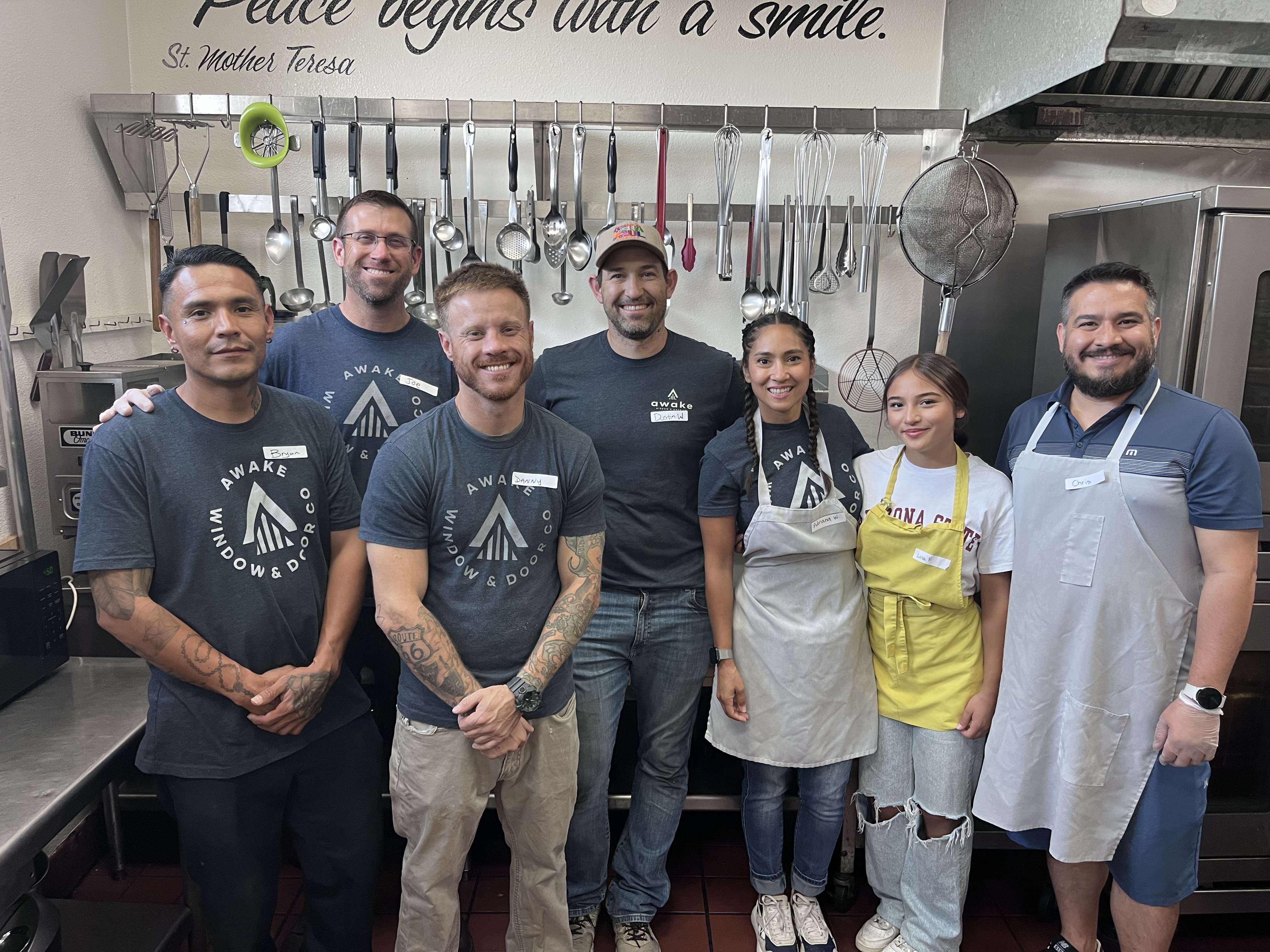
Awake has more than 100 employees, and over half have a criminal history. Giving people like White a
"I have a background in nonprofits, and he has a background in business," Gates says. "We really wanted to marry those things together and make a difference."
Removing the stigma
Awake has seen rapid growth since the company's founding, going from around $200,000 in sales in 2021 to a projected $30 million this year.
Unlike some manufacturers that are still struggling to fill open jobs, Gates says that Awake has had no
Gates points out that many companies don't support second chance employment because it's easier to have a policy in place that minimizes risk during the hiring process. A 2021 report by the Council of State Governments' Justice Center found that 72% of all post-release restrictions impact job opportunities.
Read more:
"If you did that with any other group, it's illegal," she says. "But this is completely legal discrimination. You can say, 'As soon as I get that background check back, anything on it can preclude you from being an employee here.'"
At Awake, the company's hiring manager sits down with interviewees who have a criminal history, listens to their story and asks questions like: What did you do while you were in prison? Did you take classes? What did that look like?
"There are
For example, during the time that White was incarcerated, he took classes in plumbing, business management and reentry skills/planning.
Gates notes that people change over time, and focusing on the person they are today has led to positive outcomes for her employees, and her business.
"Who are you now? That's what matters," Gates says. "Maybe you served 20 years [in prison], but those have turned out to be some of our absolute best employees."
Changing attitudes — and employment outcomes
Giving people like White a
The current unemployment rate in the U.S. is 4.4%, but for formerly incarcerated people it's around 30%, according to the U.S. Chamber of Commerce. In addition to getting rejected by employers, a lot of people who are fresh out of prison don't feel like they have anyone to talk to, whether it's family or community leaders, White says.

"That's why this company is amazing," White says. "You open your mouth and say something, and they have the resources or someone [to talk to]."
White and Gates are optimistic that attitudes are changing toward second change employment as more large employers
Read more:
As more people have learned about Awake's mission, the company has been flooded with applications, Gates says.
"Lately I've been really trying to emphasize that we need more businesses to adopt these better policies," Gates says. "A lot of companies are really missing out on a huge talent pool just because of a piece of paper."