How Valvoline is driving mental health support with Ronald McDonald House

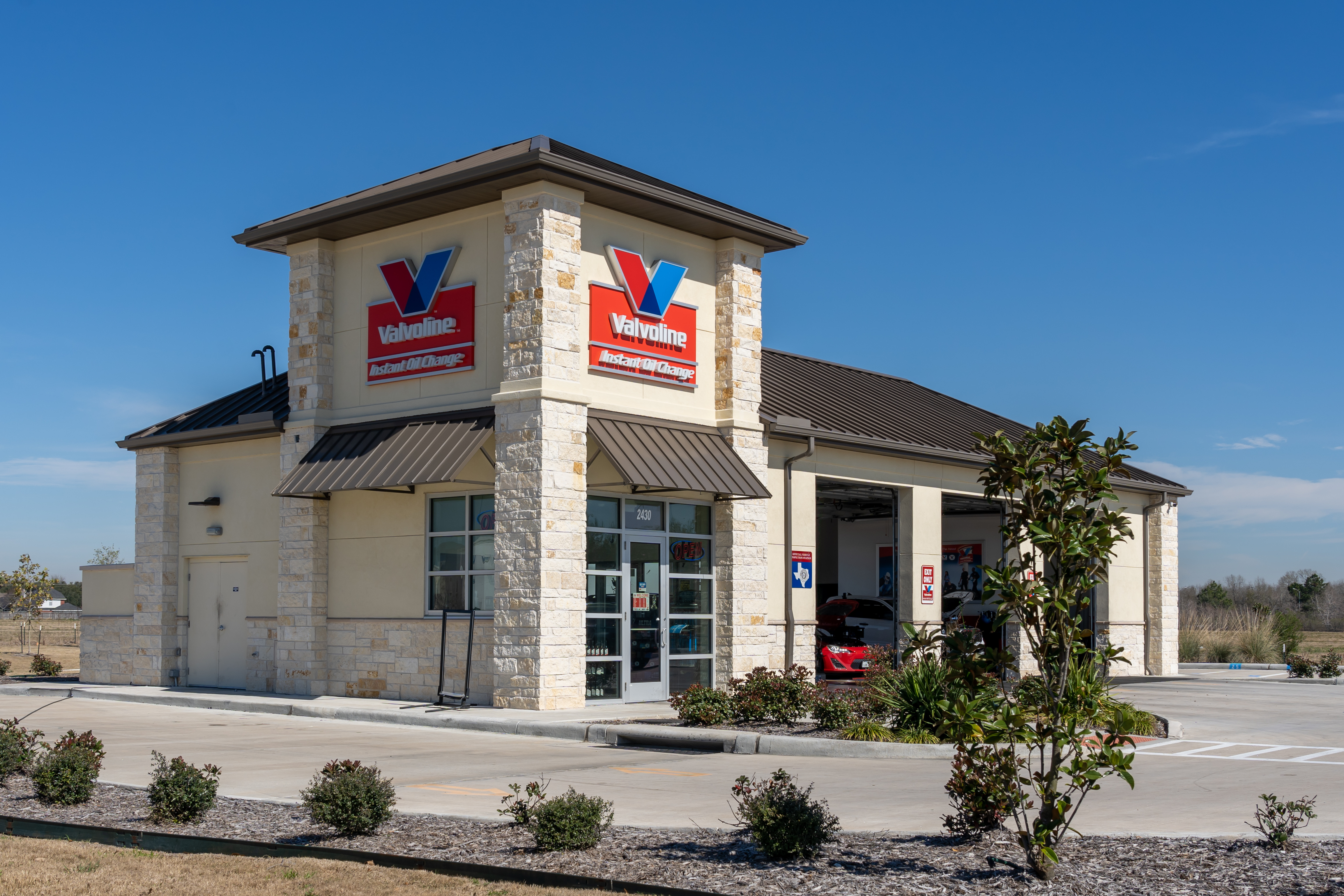
Valvoline store location
Adobe Stock
  • Key insight: Discover how corporate-philanthropy partnerships are embedding behavioral health into hospital-support services.   
  • Expert quote: Families face intense emotional strain, necessitating expanded supports, says Lauren Biedron, Ronald McDonald House.  
  • Supporting data: Valvoline pledged $750,000 over three years to fund behavioral-health services.  
    Source: Bullets generated by AI with editorial review

Processing Content

When a child suffers a health crisis that requires hospitalization, the emotional toll on their family can be immense — an issue automotive services company Valvoline and nonprofit Ronald McDonald House (RMH) are addressing with a new partnership created to provide mental health support for those facing this challenge.

Every year, RMH provides over 800,000 families whose children are hospitalized with nearby housing, private spaces within the medical facilities, and meals so that they can stay close by and comfortable. Under the new partnership, announced Tuesday, Valvoline committed $750,000 over three years, with $25,000 going to 10 Ronald McDonald chapters annually to add behavioral health services.

Read more:  Employers are investing in virtual care to close healthcare gaps

Those services will include counseling, therapy, crisis intervention and trauma-related care for parents, other caregivers and siblings, said Jon Caldwell, Valvoline's SVP and chief people officer. These are significant factors for family members caring for children in need: A global study published in MDPI's open-access medical journal Children revealed that almost half (49.7%) of those caring for a hospitalized child experienced depression symptoms and 69% reported anxiety symptoms.  

"Families are coming to us with the emotional strain of having a kid who's ill or injured. They're navigating a really complex health system, traveling far from home — these factors come together and create a lot of pressure," said Lauren Biedron, global chief philanthropy officer at Ronald McDonald House. "Our system is there to greet them, both by meeting the physical needs for lodging, but then also expanding beyond that to social and emotional support." 

In addition to Valvoline's direct funding, more than 150 of its stores nationwide are running a campaign through May 30 that allows customers to add a donation for RMH to their invoice. The partnership and fundraising efforts are part of the company's branded "Happy to Help" initiative, which is aimed at improving the mental health and well-being of children, Caldwell said, and a way to garner participation and pride within its workforce.  

"The donation campaign is an opportunity for us to engage our employee and customer base. We use the term 'hands-on assistance' a lot in our organization; we like to be hands-on in the work we do and within our stores and communities, and this opens doors for us to do even more volunteerism with local Ronald McDonald House chapters in the communities we serve," Caldwell said. 

Read more:  4 ways to support mothers in the workplace

Ronald McDonald House Charities building in Floriday
Adobe Stock

A cycle of support

Valvoline's focus on family mental wellness exists internally through its "Live Well" program, with benefits and policies that help employees and their loved ones, including access to free counseling sessions even if they are not enrolled in the company's health plan or are not dependents. 

Making it easy to feel connected to each other and social purpose is part of wellness too, Caldwell said. An app for employees keeps them up to date on benefit information and corporate messaging, and leadership makes a point of sharing employee stories, accomplishments, and its external corporate social responsibility efforts with organizations like RMH and Children's Miracle Network, for which Valvoline has raised more than $9 million over the last 16 years. 

Workers can also directly support each other by contributing to a fund that provides financial assistance to fellow employees experiencing hardship. Employees can anonymously apply for help through a third-party vendor who manages the fund, and if approved, receive money tax-free and with no obligation for repayment. 

"We find that when employees need and receive financial support from that sort of program, you often end up with lifelong advocates. Those become our best storytellers," Caldwell said.

Read more:  A shift in retirement: Why more companies back guaranteed income

Biedron noted that when employees participate in social giving efforts, it creates a deeper appreciation for their organization. Caldwell echoed this, adding that engagement and performance improve as well. It's an especially important interest for Gen Z employees, he said, which make up 70% of Valvoline's workforce.   

When employers align their internal and external efforts around mental health and wellness, it drives home the importance of this area for employees and positively impacts the business, Caldwell said.  

"If you can normalize the conversation around mental health and make those who struggle with it, or have family members that struggle with it, feel more supported and comfortable … Not only are you retaining talent because you're helping them navigate the storm that they might be going through, but because they want to work for a place that they know is engaged in this way and cares this way," he said.


For reprint and licensing requests for this article, click here.
Mental Health Healthcare Workplace culture
MORE FROM EMPLOYEE BENEFIT NEWS
Load More