EBN's best of 2025: How employers are evolving wellness benefits

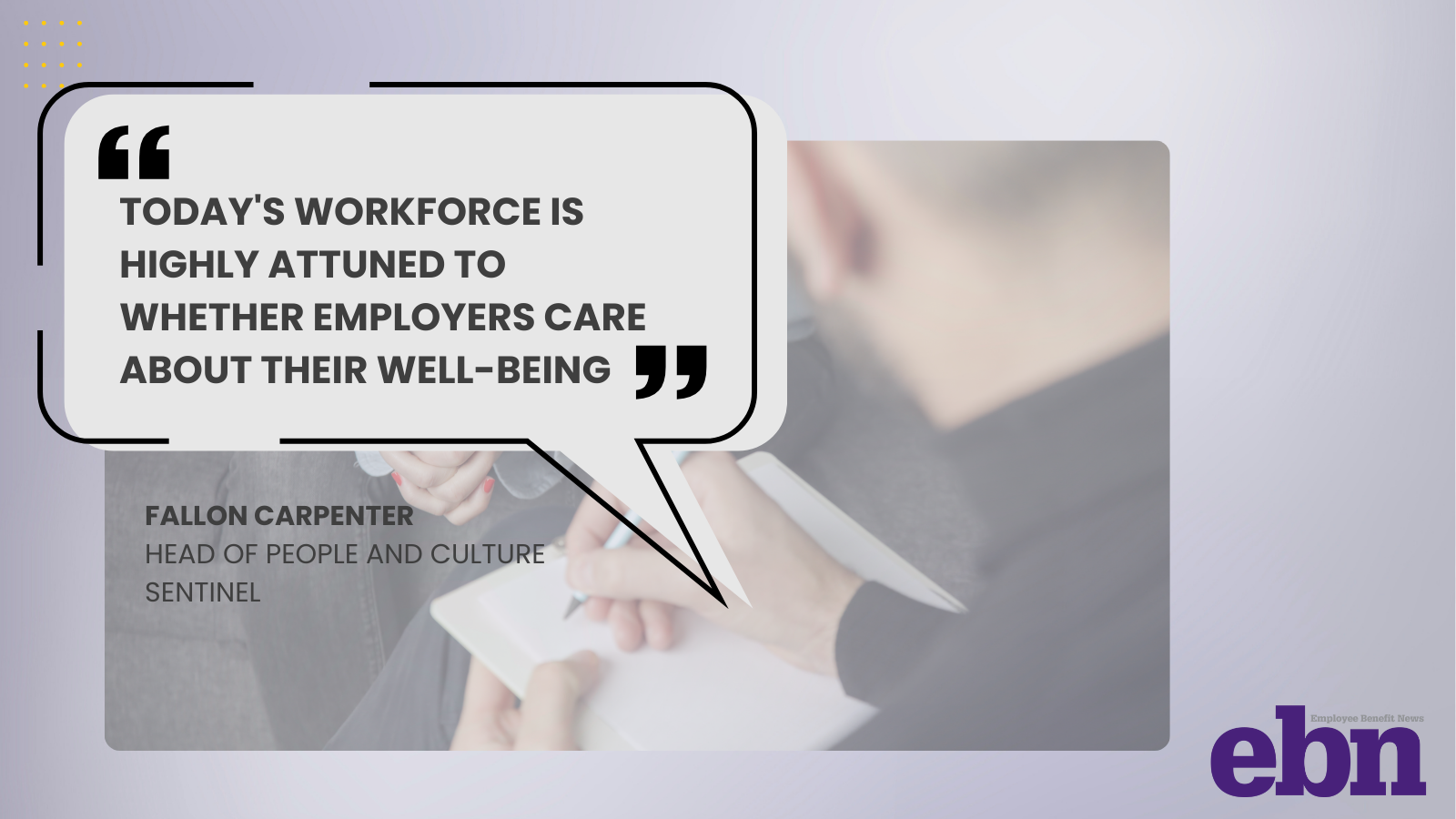
Quote image related to employee well-being
Canva
  • Key Insight: Discover how mental health is becoming a foundational element of the employee experience.
  • What's at Stake: Neglecting modern mental-health benefits risks higher disengagement, turnover and productivity decline.
  • Forward Look: Prepare for 2026 — data-driven, proactive, culturally relevant mental-health strategies.
  • Source: Bullets generated by AI with editorial review

Employee mental health and wellness have moved from a workplace "nice to have" to a core business priority, and that shift is only accelerating as organizations look toward 2026.


Processing Content

For many workers, stress, burnout and anxiety are no longer episodic challenges but persistent realities that directly affect engagement, productivity and retention. Benefit leaders are increasingly on the front lines of this issue, tasked with translating organizational commitment into meaningful, accessible support. Traditional offerings such as employee assistance programs remain important, but they are no longer sufficient on their own. Employees now expect mental health benefits that are easy to use, culturally relevant and integrated into the broader benefits ecosystem — from medical and behavioral health coverage to financial wellness, flexibility and time-off policies.

As 2026 approaches, the most effective mental health strategies are becoming more proactive and personalized. Data-driven insights, digital mental health tools and early intervention programs are helping employers identify needs sooner and reduce barriers to care. At the same time, benefit leaders are recognizing the importance of manager training, clear communication and a workplace culture that normalizes mental health conversations rather than stigmatizing them.

Read more: 2026 healthcare trends: How access to better data can redefine benefits

Ultimately, supporting employee mental health is both a human and strategic imperative. Organizations that invest in holistic, inclusive wellness programs are better positioned to build resilient workforces capable of navigating ongoing change. For benefit leaders, the challenge — and opportunity — lies in evolving mental health support from a standalone benefit into a foundational element of the employee experience in the years ahead.

Read on for our top stories on mental health and wellness from this year, to plan your strategies for 2026:

Keep employee preferences top of mind

Employers are rethinking wellness strategies with intentional planning and inclusivity. Thoughtful planning — from setting clear goals to incorporating data-driven programs — can make wellness and mental health benefits more effective. These benefits should be woven into broader wellness efforts, including counseling, stress management workshops and employee assistance programs, rather than treated as an afterthought. How planning can help your wellness benefits be successful 

Realign with employees on mental health needs

Exclusive data points to gaps benefit leaders should address, revealing that many employees continue to struggle with wellness needs. Are benefit managers out of touch on key issues? Getting realigned can help leaders fine-tune benefit mix and communications to better meet worker expectations. Check out the exclusive finding here.

Find low-cost ways to support mental health

Well-being offerings remain a priority even as challenges persist. According to a recent Business Group on Health survey nearly all large employers plan to maintain or expand well-being programs, with mental health cited consistently as a top priority. Common supports include teletherapy, mindfulness training and resilience-building resources — signaling that employers are continuing to invest in comprehensive care options. Read about the cost challenges benefit managers will need to navigate in 2026

Give employees personalized options

But areas for improvement remain clear. A majority of wellness benefits aren't delivering meaningful improvements to employee health — largely because they're not aligned with employee needs or organizational culture. This underscores the need for benefits that are personalized, accessible and genuinely supportive rather than one-size-fits-all. Here's how to rethink your mental health strategy.

For reprint and licensing requests for this article, click here.
Mental Health Health and wellness Healthcare
MORE FROM EMPLOYEE BENEFIT NEWS