This therapist is helping shatter the stigma around mental health

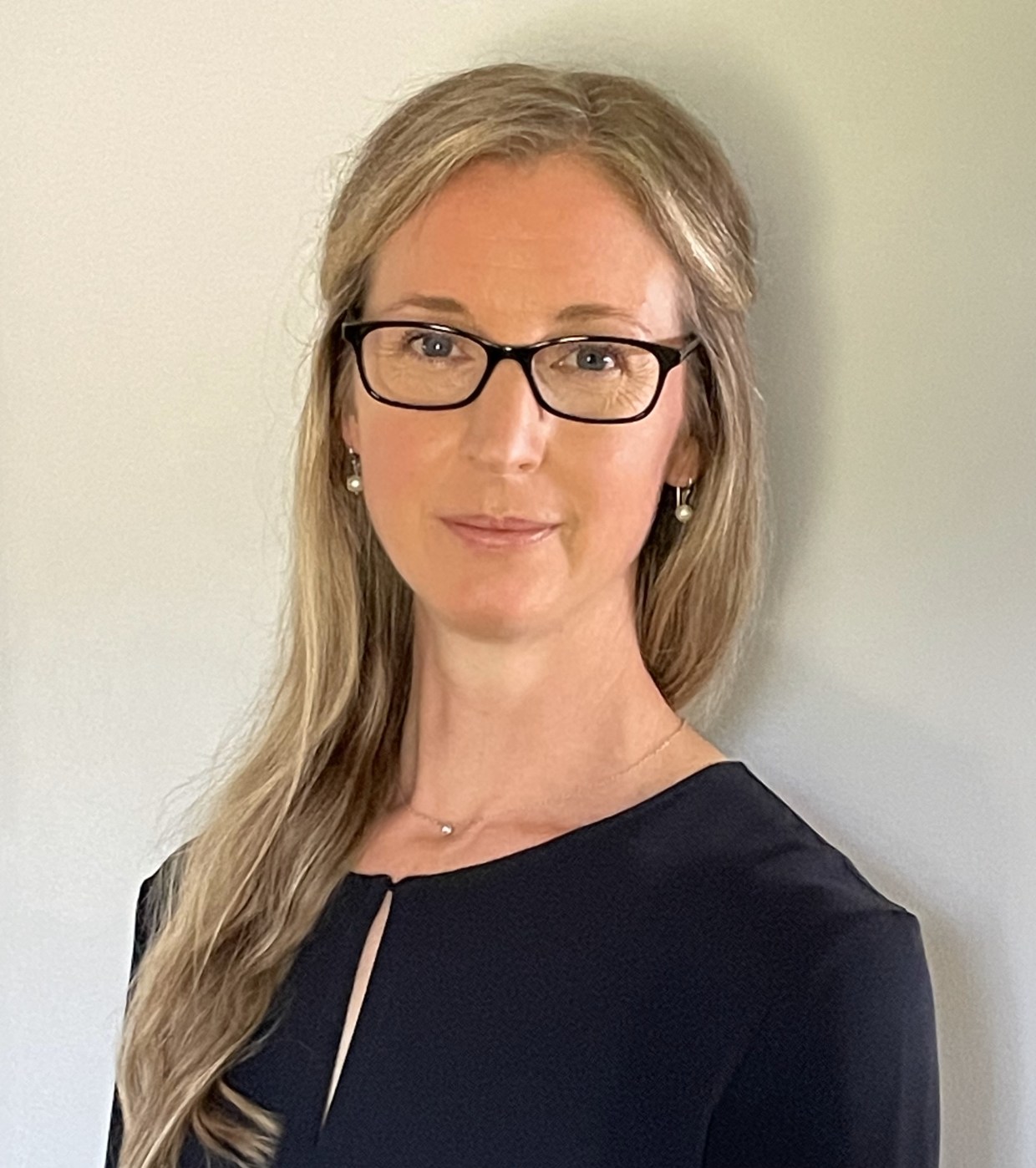
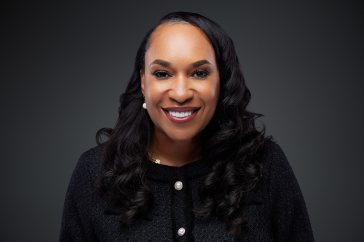
Diana Guzman, clinical director at Recovery First Treatment Center
  • Key insight: Discover how proactively normalizing mental health reduces stigma and increases benefit utilization.
  • What's at stake: Failure to act risks increased absenteeism, turnover and regulatory scrutiny.
  • Supporting data: Only ~4% use employer EAPs, despite a $4 return per $1 invested.
  • Source: Bullets generated by AI with editorial review

Diana Guzman is a mental health clinician, speaker and advocate. She is also the survivor of three suicide attempts. After years of dealing with her own mental health struggles in silence, she is using her story to break down stigma and build more support in the workplace

"I've been working in the field [around] 15 years," says Guzman, the clinical director at Recovery First Treatment Center. "I love what I do. It's where I feel safe and I feel seen and heard. It wasn't like that back in the day. The stigma, even though we still have it, was bigger and more present everywhere. We tend to separate mental health from medical, [but] it's the same. At the end of the day, if your mind is not right, nothing else will be right."

Read more:  Benefits to beat seasonal depression to implement now

'Secrecy kills'

When Guzman was pursuing her degrees in psychology and mental health counseling, she was also working in a bank and raising her two young children. While juggling all this, she battled depression, panic attacks, PTSD and anxiety resulting from severe childhood trauma, domestic violence and feelings of inadequacy and abandonment, but never disclosed her troubles to anyone. 

After dropping her children off at school one morning, the weight of things proved too much, and she attempted suicide for the first time. She woke up in the hospital and eventually pushed on, tamping down suicidal thoughts even as she began her dream job as a therapist. But when a client's experiences caused her own trauma to resurface, she let her employer at the time know what was happening. Told to put her issues aside and receiving no support, she tried to take her life again. 

"When somebody's disclosing something deep and dark and painful, they're probably crying for help," she says.  

After a third attempt, Guzman finally allowed support from loved ones and professional help to aid her on a path toward healing. She now tells people, "Secrecy kills." Guzman specializes in trauma, anxiety disorders and crisis intervention, and works with companies to raise awareness and train leadership on how to open up conversations and provide mental health resources in the workplace.  

"I work with National Alliance on Mental Health in suicide prevention," she says. "I go to companies and communities training people how to identify the signs of suicide. We also train corporations and HR departments and individuals in leadership who can support their staff in a way that is compassionate and empathetic and respectful of mental health."

Read more:  Building relocation benefit packages that work

A large-scale concern

In 2023, one person died by suicide every 11 minutes, 1.5 million attempted it and 12.8 million seriously considered it, according to the CDC. 

Risk factors for suicide can include stressful events such as divorce or financial crisis, ongoing stress from things like harassment, and mental health conditions such as depression. Gallup projects that nearly 50 million adults are suffering from depression alone, with recent notable increases among young and lower-income populations. 

Guzman emphasizes that mental health struggles do not discriminate, and they aren't always overt in their appearance. Making compassion and acceptance foundational parts of company culture and providing benefit offerings to back this up encourages people to seek help, she says. 

"A person who is depressed, even a person who has a diagnosis of bipolar, schizophrenia, or any other diagnosis, doesn't necessarily have to be aggressive or unreliable or a problem if they're receiving support. I am an example of that," Guzman says. "I was Diana with clinical depression, PTSD and panic attacks. I'm here, I'm functioning, I am happy, reliable and smart. I have friendships and connections — so recovery and healing is possible."

Read more:  This manufacturing firm embraced second-chance hiring — profits increased 150x

The vital role of benefits

While nearly all mid- to large companies offer an employee assistance program (EAP), only about 4% of employees use them, according to Mental Health America. This is largely due to fear of judgment, Guzman says. By normalizing mental health within their workplace, leaders can encourage people to use helpful benefits even if they choose to keep their struggles or conditions private.  

When employees are aware of and comfortable using the benefits that are available to them, the result is a healthier workforce and a sizable ROI for businesses: Research from the National Safety Council and NORC at the University of Chicago shows that for every $1 spent on mental health treatment, employers see a $4 return.   

Guzman reminds leaders that when they are providing resources and support, and listening instead of judging, they are making a difference in the welfare of their employees and improving their own outcomes. 

"[When] you're investing in your staff's mental health, you're allowing them to be fully themselves," says Guzman. "[Creating] a space where people feel safe … seeing [them] more as assets and human beings that need support [rather than] labels … retains employees."

For reprint and licensing requests for this article, click here.
Mental Health Employee benefits Workplace culture
MORE FROM EMPLOYEE BENEFIT NEWS