
The 1% difference that can boost your retirement savings

A person holds a mobile device that says "Retirement Savings" on the screen.
Adobe Stock

Key Insight: Learn how incremental 1% savings increases materially boost long-term retirement outcomes.
What's at Stake: Potential Social Security shortfalls could force benefit reforms and alter retirement planning.
Supporting Data: 56% haven't calculated needed retirement savings; Social Security trust funds projected depleted 2033–34.
Source: Bullets generated by AI with editorial review

Processing Content

It doesn't sound like much, but saving just 1% more each year can significantly boost retirement savings over time.

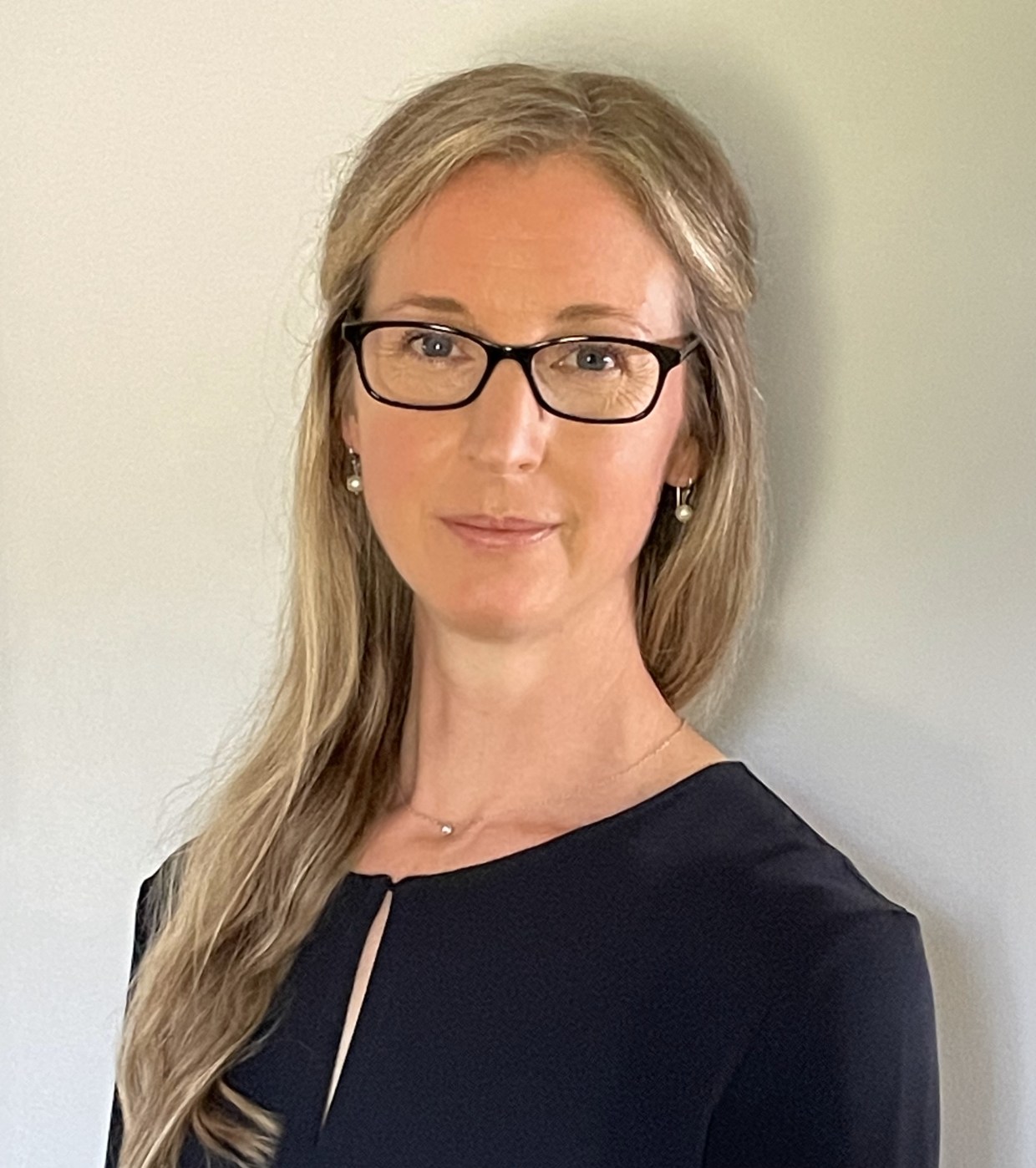
"We call it the 1% difference," says Michael Conrath, chief retirement strategist at J.P. Morgan Asset Management. "If you can do small changes consistently, they can actually add up to meaningful results in the long term."

J.P. Morgan's recently released 2026 Guide to Retirement highlights both big and small strategies that can help people better prepare financially for retirement. The annual report also dives into timely topics such as the impact of spending patterns, Social Security readiness and the growing interest in guaranteed incomes strategies. 

According to the report, 56% of people haven't calculated how much they'll need in retirement — a step Conrath warns is critical to avoid setbacks. By factoring in age and household income, individuals can quickly see whether they're on track to meet their retirement goals or if they need to adjust their strategy.

"It's not for shock value or fear factor," Conrath says. "It's to get people motivated to think about how they can plan going forward to make sure that they hit the number, especially if they're looking at (spending) 35 years in retirement." 

Debunking Social Security myths

The Social Security trust fund that helps pay retirement benefits is projected to be depleted around 2033–34, sparking fears over the future of the program. But roughly three-quarters of benefits will still be funded by ongoing payroll taxes through the end of the century, according to the report. 

Some people are also considering claiming their Social Security benefits early because they're worried about cuts — but doing so comes with risks, Conrath says. Those who claim their benefits early, at age 62, will only receive about 70% of what they would otherwise get at full retirement age, which is 67 for anyone born in 1960 or later. 

"If someone needs Social Security to provide an income bridge, there's no shame in that at all," Conrath says. "On the other hand, if someone is able to wait to claim their benefit until age 70, they're going to get basically 24% above what they would get at full retirement age. So depending on when you claim it can make a big difference in terms of the dollars that you receive from the Social Security Administration."

Read more: How employees feel about retirement amid inflation and recession concerns

Another factor that can impact retirement readiness is lack of emergency savings. According to the report, nine in 10 employees experience significant spending spikes, defined as 25% more than their baseline spending over the previous 12 months. But one in three who experience these spending shocks are unable to fund them out of savings, and instead turn to credit cards or 401(k) loans. 

The shortfall in emergency savings isn't from a lack of awareness: while 62% of Americans consider having a dedicated emergency fund a priority, nearly half (47%) say their monthly expenses are too high to save, according to a recent report by Empower. 

Read more: TIAA lays out plan to close gaps in retirement system

Employees can get overwhelmed by all of these different factors when planning for retirement — that's where benefit leaders can step in and help, Conrath says. 

Read more: Are employees getting what they need from their 401(k)s?

"Our research tells us that workers are hit with more information than they can absorb," he says. "It's helpful to think about not necessarily doing more communications, but being targeted."

Two out three workers say they should be saving more for retirement, but they're just not sure what to do, according to the report. Giving workers guidelines for retirement — rather than specific advice — can help set them up for success, Conrath says.

"Again, that 1% difference — small changes done over time — can lead to big results," Conrath says. 


For reprint and licensing requests for this article, click here.
Retirement Employee benefits Financial wellness Industry News
MORE FROM EMPLOYEE BENEFIT NEWS