While EBN Contributing Editor Andrew Sykes has
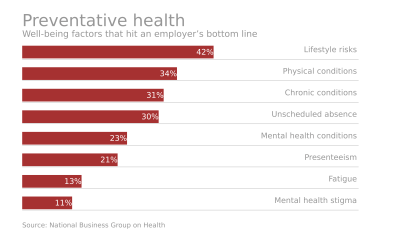
Examining aggregate data from health risk assessments among ComPsych's clients show that stress, anxiety, depression and poor social support may be hampering employees' efforts to achieve wellness goals.

“There is strong correlation between high stress/emotional issues and poor lifestyle choices,” says Dr. Richard A. Chaifetz, ComPsych chairman and CEO. “For example, smoking and overeating may be a means to self-medicate undiagnosed depression.
“To be effective, corporate wellness programs must focus on emotional as well as physical factors of the employee, and include a counseling component to address underlying issues,” he says.
If what Chaifetz says is true, the mind-body connection is more important than ever to getting wellness programs to succeed. But is it too much to ask to make employers — already playing multiple roles in workers’ lives — to also be armchair psychologist and fitness coach? Share your thoughts in the comments.