Dry January moves from personal reset to workplace issue
Dry January is prompting employers to rethink alcohol culture, burnout and wellness as part of broader conversations about health at work.


Follow Us
© 2026 Arizent. All rights reserved.

Dry January is prompting employers to rethink alcohol culture, burnout and wellness as part of broader conversations about health at work.
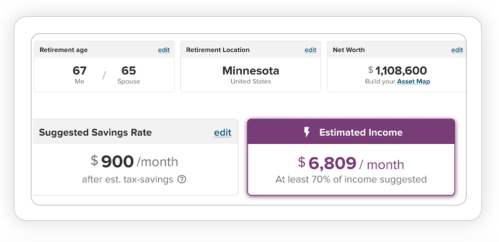
The solution helps employees navigate the complex retirement process with clearer guidance and personalized insights.

Everest Funeral Concierge offers standalone service to help bereaved employees and their families in their time of need.


The country and culture-specific aspect of the program allows employees to get customized information and understanding about their health.


Developing a strong, reliable method that fits an organization's needs should include discussions between the IT and Communications teams.
Find out how a unified care model in musculoskeletal (MSK) benefits makes it easy for employees to access and stick with high-value care, improving lives and lowering costs for employers.
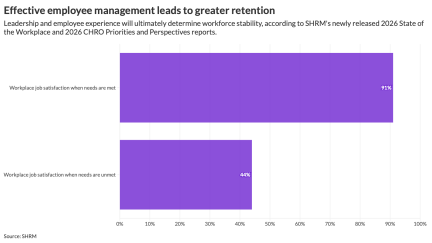
As AI adoption accelerates, SHRM research reveals leadership and employee experience remain critical to retention.

Treasury deposits into Trump Accounts held by today's newborns until retirement could grow to $799.5 billion in total incremental retirement savings.

The House approved a three-year extension of ACA tax credits as some GOP lawmakers broke ranks, aiming to push the Senate toward a bipartisan deal.
Employers and new policies are helping drive wider adoption of health savings accounts, as premiums and out-of-pocket costs rise.

Benefits that help employees better manage things like high blood pressure, obesity and diabetes can reduce turnover and absenteeism.

New research from EBN reveals how GLP-1s and menopause benefits are changing employee benefit strategies—and what employers must plan for next.
AI allows teams to achieve a scale and speed that makes a big impact fast.
Effective internal marketing can boost employee happiness and engagement with the right actionable tips and strategies.

From teaching in the Peace Corps to running a people division, John Davis has seen the impact of empowering people with the right tech and human support.

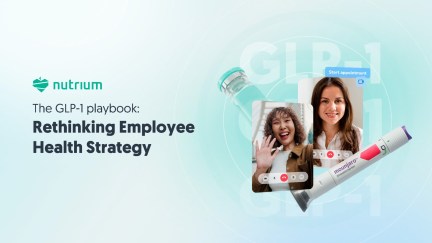
GLP-1 medications have shifted from "nice to have" to a real benefits decision. For employers who offer GLP-1s – and for employers who don't – rising demand and evolving access pathways increase pressure to make choices that are consistent, sustainable, and aligned with a broader health strategy.
MetLife's 2026 study finds employers now prioritize cost control over hiring for the first time in years as half of workers skip medical care due to high prices.

Forward-thinking advisers are embracing self-insurance, supply-chain management and a more consultative approach as they align benefits with overall business strategy.
A new report reveals the areas where technology is making the biggest, most positive impact on benefit administration.

As health plan costs continue to climb, "doing nothing" has become the most expensive strategy of all, says this panel of benefit experts.