Benefits Think The demographic wave you can’t ignore
A growing number of childless and "solo agers" in the workforce need care navigation benefits that don't require a family member to make the calls.

The 2026 Excellence in Benefits winner is leading the insurance company's efforts to close the preventative care gap and personalize the employee experience.
Bringing a procurement partner into the benefits planning process can offer greater insight and negotiation power, helping to reduce overall costs.
Gap coverage, supplemental benefits and options for various types of workers can help avoid cost shifting and still provide support.
Research shows a well-timed email is critical when seeking a quick turnaround, and that is especially true with urgent benefits documentation.
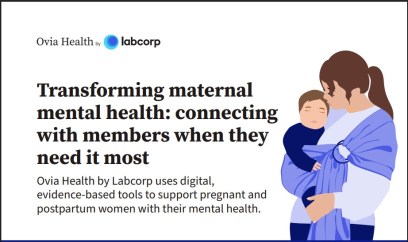
For employers looking to better support employees through pregnancy, postpartum, and maternal mental health challenges.
The structure of a workweek, and employees' daily schedules, can have a significant impact on their nutrition and overall health.
As GLP-1 spending climbs, employers are asking whether the drugs deliver enough value. Better data could help them measure the payoff more accurately.
The gap between a great benefits program and one that actually works is almost always a communication problem.
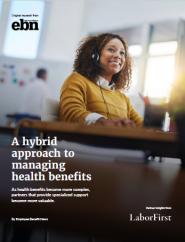
New research from Employee Benefit News: As health benefits become more complex, partners that provide specialized support become more valuable.
Kelley Daviss brought in Twin Health and heard great things from employees — then an unexpected diagnosis led her to experience the metabolic health platform's impact herself.
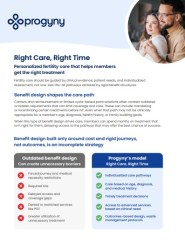
For HR and benefits leaders: How fertility benefit design drives employee outcomes and total spend.
At parent support company Haven, CEO Britt Riley offers benefits that make employees feel taken care of.
A pensions specialist explains why fiduciary responsibility extends beyond investment oversight and how proper safeguards serve as a critical layer of protection.
The potential for a healthier lifestyle is extending beyond medication to lifestyle and workplace habits that create change for employees.
The legislation calls on Congress to lower prescription drug costs, shift subsidies directly to consumers, and enforce strict price transparency.
Employers are under pressure to keep benefits competitive while controlling costs, driving new scrutiny of PBMs, hospital prices and GLP-1 coverage for 2027.
Multiple experts weigh in on the challenges and considerations benefit leaders need to keep in mind as they make decisions about medication coverage.
An analysis of career conversations on Reddit revealed workers often feel stuck. Well-matched experts can offer guidance and motivate them to move forward.
An ongoing, thoughtful benefits experience holds more value than a seasonal attempt to encourage time off.