Employees want to manage their own health plans — this is why you should let them
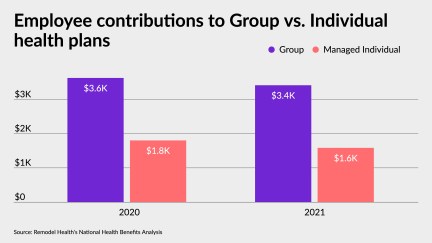
In the current system, employees may be paying twice as much and getting something twice as bad.

Follow Us
© 2026 Arizent. All rights reserved.

In the current system, employees may be paying twice as much and getting something twice as bad.
Coverage that provides claimants with a lump-sum payment can help workers with expenses that may not be included in their traditional medical insurance.

The anti-choice law is driving talent to reconsider where to live and work.


It’s time to get serious about another path to affordable, high-quality healthcare.

Previously diversity and inclusion and mental health initiatives would live in separate corporate domains, but employers increasingly understand the inextricable link between these two issues.

Addressing addiction through telehealth makes treatment affordable and accessible for those who need it most.


“Sometimes you have to put employees before profits,” says Tom Moran, CEO of Addison Group.

Bond Vet wants their staff to have the tools they need to combat stress, burnout and other health and wellness needs.

Three days off will become the new norm in the next decade, says Rob Smith, founder of Team Huddle.

Telemedicine shouldn’t be limited to visits about mental health and primary care.

Financial wellness benefits and other perks will help employees navigate challenges during COVID-19 and beyond.

Healthcare costs are projected to rise 6.5% next year, according to PwC data.

As more and more employees gear up to leave their jobs in a post-pandemic hiring frenzy, economists fear the issue will only get worse.

Should employers increasingly consider cutting out the middle man in the prescription drug procurement pipeline?


Unsurprisingly, since they’ve owned 401(k)s for longer, boomers make up a lot of the 401(k) millionaires — the average age is 58.

With U.S. medical debt soaring, employee benefits companies are seeking solutions for employers and employees alike.

2020 and 2021 both brought huge changes to the way we live and work, and that has in turn caused employers to re-think their benefits.

Employers can turn to affordable care options to help their workers struggling with poor mental health.

End of life benefits can help employees plan for the future for themselves and their loved ones.

Caring for a healthy pet can cost employees an average of $700 to $2,000 per year in veterinary bills.