6 HSA-approved purchases that can help reduce employee stress
Learn what these pre-tax accounts can buy to help deal with the pandemic.


Follow Us
© 2026 Arizent. All rights reserved.

Learn what these pre-tax accounts can buy to help deal with the pandemic.
After a successful virtual summer camp, one company is offering parents creative solutions to childcare challenges as school starts again.


An employer’s insurance offerings are a core consideration when choosing a job, so it’s critical that in addition to comprehensive health insurance, you’re also offering robust life insurance options.

For EAPs, delivering culturally competent care means understanding the needs of a diverse workforce and ensuring that the elements of all services meet those needs strategically.

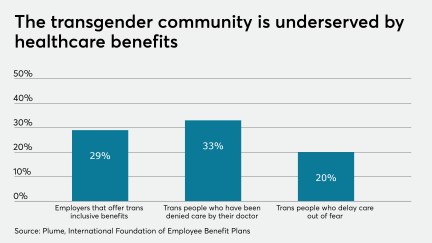
“Many companies seek to create trans inclusive benefits packages, but their employees oftentimes don’t use the benefits provided because of fear of harassment in the process of accessing healthcare,” says Soltan Bryce, head of growth at Plume.


These advisers and strategic consultants have diverse backgrounds and a drive for excellence that goes beyond the traditional broker responsibilities.

Learn how screen time affects vision health and what employees can do to protect their eyes while working from home.

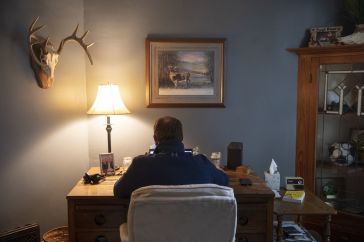
Employees who may have thrived in a social office setting are suddenly finding the alone time unsettling, while others may wish they were alone as they share workspace with a partner and/or their children.

Revisions to the Families First Coronavirus Response Act are now in effect.

Increased financial education at work can help your employees understand how the rest of your benefits package supports their financial goals.

Companies are starting to realize that they can’t leave working parents twisting in the wind, trying to figure this out individually with their supervisors — the problem is too big.

“It's still one of the most underserved communities when it comes to safe, accessible and reliable healthcare,” says Soltan Bryce, the head of growth at Plume.
A knowledgeable benefit broker or consultant is critical for helping organizations make the right behavioral health choices for their employee population.

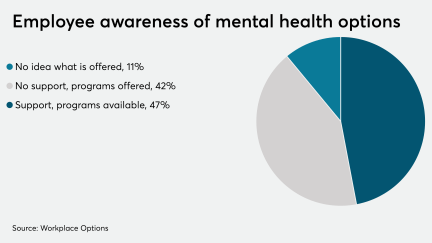
As some companies prepare staff to return to the office, and working parents balance work and back-to-school schedules, employers imagine what the prolonged coronavirus recovery will really look like.
Forty-two percent of workers had a positive view of working remotely, and 72% said they’d like to work away from the office at least two days a week, as employers contemplate return-to-work plans.
Showing appreciation is a simple way to boost employee engagement and retention.


During COVID-19, it's more important than ever to build a communication strategy for available benefit offerings.

Depression screenings can improve employee mental health and save employers millions on disability claims.
Visits to healthcare clinics are trending well below their pre-coronavirus levels, setting the stage for increased future health issues.

To protect client nest eggs, advisors must know which savings vehicles are protected — and they’re not all created equal.