Cancer ‘complex and intimidating’ for benefit professionals
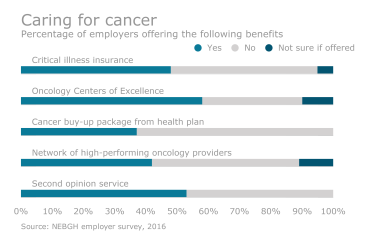
Despite increasing concern over cancer costs and care, there are gaps in employee coverage and support, finds new research from the Northeast Business Group on Health.

Follow Us
© 2026 Arizent. All rights reserved.

Despite increasing concern over cancer costs and care, there are gaps in employee coverage and support, finds new research from the Northeast Business Group on Health.
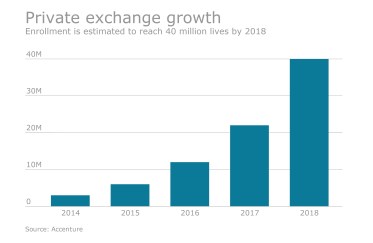
Providers are offering narrow networks and a greater variety of plans, giving employees more choice, according to PwC’s Barbara Gniewek.

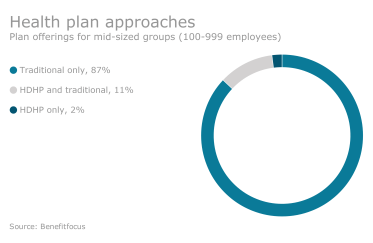
While few mid-size employers offer high-deductible plans, in some cases preferred-provider-organization plans carry deductibles high enough to qualify them as HDHPs, according to new research.

There is new evidence that more closely ties periodontitis, better known as gum disease, to heart attacks and stroke.

Vinay Gidwaney, chief product officer and co-founder of Maxwell Health, speaks about the company’s vision for a subscription-style benefits delivery model.

Providers are looking to bulk up their marketplaces with features that provide employees with more choice, say experts.

Quality, scope of services should be prime considerations for employers looking to open worksite clinics.

Getting more out of the prescription drug plan and telemedicine are cost-saving avenues for plan sponsors to explore, says Corporate Synergies’ Bruce Barr.

Quality, confidentiality and scope of services are prime considerations for employers looking to implement clinics on or near their worksites.
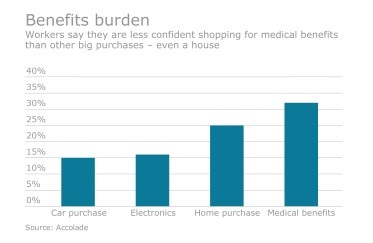
Benefits issues can lead to diminished productivity, finds new research, as workers spend an average of three and a half hours a month dealing with healthcare issues at work.
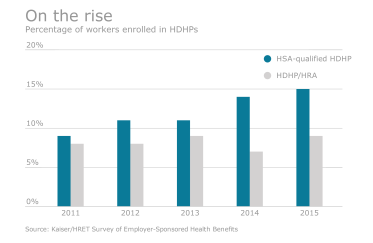
The majority of large employers offer high-deductible health plans coupled with health savings accounts, but traditional plans are still favored by many employees.
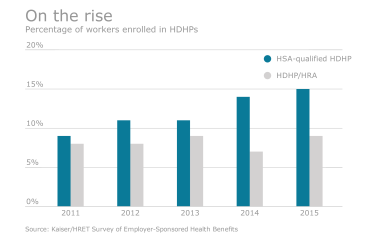
It’s important to educate employers and workers about available HSAs, HRAs and FSAs so that employees can get the most out of them.

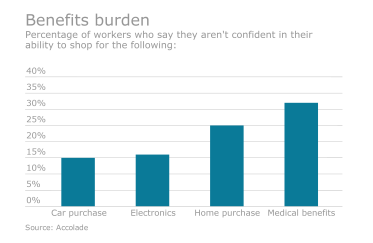
Benefits issues can lead to diminished productivity, finds new research, as workers spend an average of three and a half hours a month dealing with healthcare issues at work.
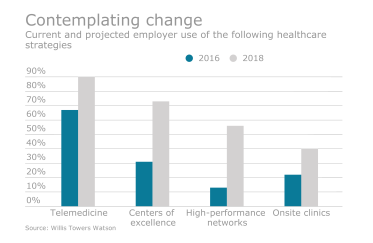
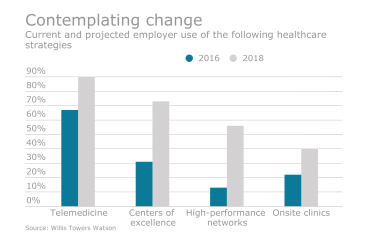
Group health plan costs are expected to rise modestly this year and plan sponsors anticipate a growth in strategies such as telemedicine and high-performance provider networks.
The majority of large employers offer high-deductible health plans coupled with health savings accounts, but traditional plans are still favored by many employees.
It’s important for employers to educate workers about available HSAs, HRAs and FSAs so that employees can get the most out of them.
Group health plan costs are expected to rise modestly this year and plan sponsors anticipate a growth in strategies such as telemedicine and high-performance provider networks.
The health system is making strides toward value-based care but much of them are still detrimental for employers and employees.

These tax breaks for employees account for the lion’s share of what the federal government spends on healthcare for Americans under age 65.

It takes knowledge and planning, but there are ways to keep health insurance costs from derailing company profits while still offering employees the benefits they need.