Large employers take nuanced approach to HDHP implementation
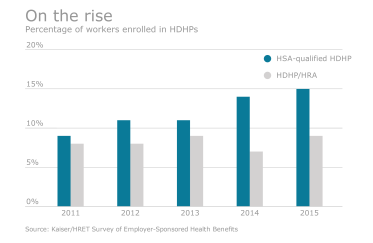
While just over half of companies with more than 1,000 employees offer at least one high deductible health plan, few have fully replaced traditional plans with the HDHP.
Follow Us
© 2026 Arizent. All rights reserved.

While just over half of companies with more than 1,000 employees offer at least one high deductible health plan, few have fully replaced traditional plans with the HDHP.
Other countries and some innovative firms here consistently deliver equal or better quality care at dramatically lower cost, betraying the idea that conventional U.S. healthcare is superior or even appropriate.
As costs continue to grow, employers should focus on utilizing smart benefits technology to create individualized programs that appeal to every employee.

Despite being delayed until 2020, the Affordable Care Act’s so-called Cadillac tax on high-cost plans is still on the horizon and employers need to prepare for it.

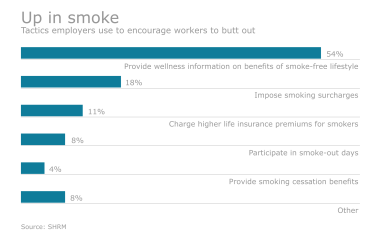
The implementation of smoking surcharges should be paired with a robust smoking cessation program, experts say.

How advisers can assist their clients with the implementation of the required preventative service.

To meet legal requirements and realize savings in healthcare premiums, the implementation of smoking surcharges should be paired with a robust smoking cessation program, experts say.
An initial consultation with a registered dietitian can cost as much as $200. Multiply this by the growing number of overweight and at-risk Americans, and employers could face a considerable cost increase.
Telemedicine offers potential savings to employers and employees, while improving medical care access and convenience.

Software analytics firm sees positive results from its campus health center.


As the number of consumer-driven health plans continues to increase, employers are looking to voluntary benefits to help offset potential gaps in coverage.

Software analytics firm SAS sees positive results from its use of on-site health clinics.

Shifting employee coverage to Medicaid represents a lost opportunity to improve business processes and may prove costly in the long run for businesses in thin-margin industries that can least afford high absenteeism.U
In the three years since private health insurance exchanges have reshaped the landscape for managing active employee populations, attention has shifted from enrollment numbers to changes in employee behavior.


It is estimated that 4.8 million Americans of working age have cancer, and according to a recent study in the journal Cancer.
Joe Laurin, president of Fidelity Health Marketplace, discusses how the company’s newly launched private exchange will integrate with its 401(k) recordkeeping business.

As the diverse health needs of the U.S. population grow, so does the need for doctors who can understand and empathize with the language and cultural context of their patients.

Dependent eligibility verification audits are sometimes tough to communicate to employees, but as employers look for financial savings in their health plans, many are contemplating them.