Is working from home forever the new reality? It is for these companies
Tech companies are leading the way on allowing employees to work from home permanently. The model is starting to take hold in other industries as well.

Follow Us
© 2026 Arizent. All rights reserved.

Tech companies are leading the way on allowing employees to work from home permanently. The model is starting to take hold in other industries as well.
Employees are struggling to improve their mental health as the coronavirus is still a main concern, combined with the racial injustice crisis the country is facing.

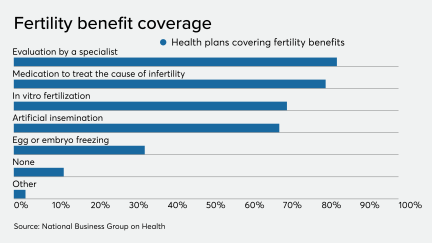
The Ava bracelet predicts a woman’s fertility window with 89% accuracy, which is helpful for employees struggling to become pregnant.

It’s more important than ever to ensure the team is engaged in their piece that rolls up to the overall success of the organization.

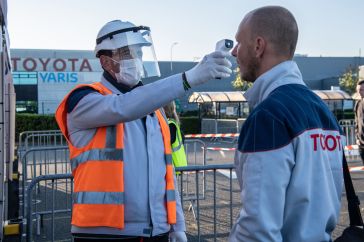
A company created a kiosk to help employers deal with privacy concerns over taking temperatures at the office.

With an eye on boosting internal mobility and promoting strong mental health, more employers are investing in learning and development.

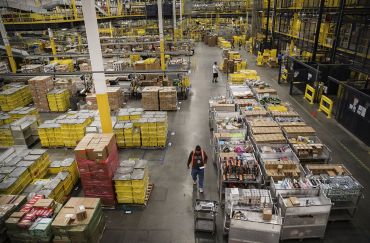
Amazon has hit another snag: a human resources department ill prepared to handle the thousands of requests pouring in from sick employees and those who need to stay home to care for their children or elderly relatives.
Employers are seeking new ways to keep remote employees productive and engaged, but they face a difficult balancing act as employee monitoring may damage trust and morale.


“We read this as an occasion to really integrate women's health with children's health, and that the combination of that integrated support is what makes happier and more successful working parents,” says Erik Lumer, chief product officer at Maven.
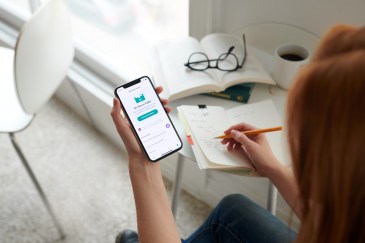
Employees are expensing work equipment and health and hygiene supplies, leaving businesses the task of deciding whether to pick up the bill.

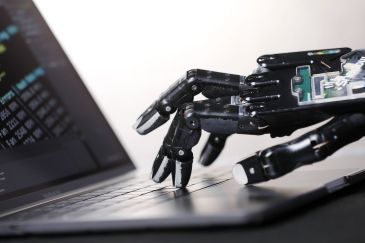
Machine learning will help companies hire more efficiently and safely as they begin to look toward the future post-pandemic.


As many traditional benefits including gym memberships and commuter stipends are no longer available to employees, companies need to change their benefit offerings as well.

The Department of Labor issued a new rule that allows companies to distribute retirement benefit information electronically.

Companies who had already adapted to a culture of digital innovation technology have proven more successful during this sudden and dramatic shift.

“Helping bring broader benefits to more employees is particularly important during these challenging times,” says Neil Vaswani, CEO of Corestream.
Who will join the wave of tech innovators transforming benefits? Nominations are due by noon on Friday.
Digital health can transition employees back to work in a safe, cost effective and scalable way, says Andrew Le, CEO at Buoy Health.

Today’s employee benefits tech solutions can have a profound positive impact on each step of an agency’s operations.

With the new software, employers can analyze work at a task level, identify what work can be performed remotely and better adapt to changing business needs.
People can use the service for calls with as many as 100 participants and will cap free calls at 60 minutes, but won’t begin enforcing that time limit until the end of September.