JPMorgan tests its Amazon-Berkshire health venture on bank employees
The company is now offering its 30,000 workers in Ohio and Arizona two plans for 2020 run by Cigna and Aetna.

Follow Us
© 2026 Arizent. All rights reserved.

The company is now offering its 30,000 workers in Ohio and Arizona two plans for 2020 run by Cigna and Aetna.
Patrick Kennedy and the CEO of benefits company Optum discuss the state of mental health benefits at HLTH.

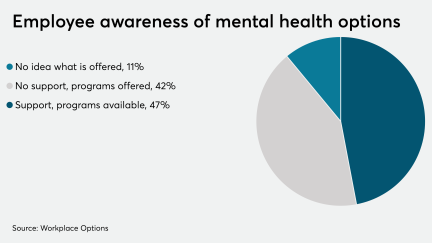
Open enrollment should be treated as an ongoing activity that maximizes the return on benefits investment, as well as increases employee well-being and satisfaction.

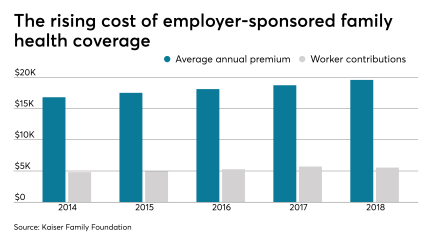
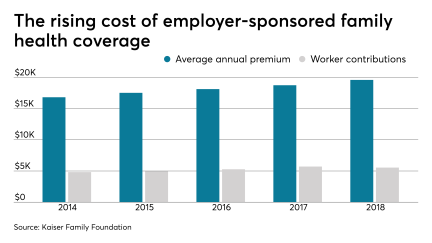
While employers pay most of the costs of coverage, workers’ average contribution is now $6,000 for a family plan.

Vision loss among workers results in $48 billion in lost productivity per year.

The company is adding an individual coverage health reimbursement arrangement product for small businesses.


Drugstore are trying to keep Amazon from wresting away their piece of the $333 billion prescription-drug industry.

The tool offers workers access to consultants who specialize in assisting those caring for loved ones.

The decision removes the final barrier to a deal that adds a major health insurance business to a nationwide network of pharmacies and prescription-drug benefit programs.

DirectPath has integrated a pricing tool into its platform, allowing workers to better determine the cost of medication.


Unexpected, expensive medical charges can put a financial strain on employees and ultimately impact their well-being.


Executives are changing jobs in the insurance, HR tech and benefit advising spaces.
Unexpected, expensive medical charges can put a financial strain on employees and ultimately impact their wellbeing.

Boosting utilization rates is a huge challenge for clients. These strategies from successful companies and top providers can help.

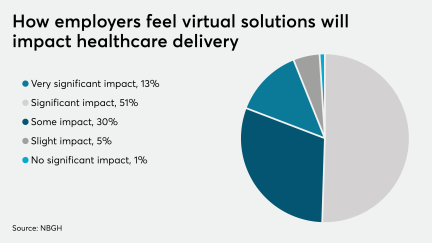
Boosting utilization rates is a huge challenge for employers. These strategies from successful companies and top providers can help.

The first in a two-part series examining the legal and cultural implications of the drug in the workplace.

With resources like second opinion services and health spending accounts, workers may be able to achieve reductions in health costs.

Proposed rules would provide consumers more detail about the actual prices hospitals charge insurers.
“When you can look at [an employee] and say we just saved you that copay, that means something,” one expert says.

Benefit managers may need to review cost accumulator programs for specialty medications under recent regulations.