Retirement savings plans are using workers’ inertia to help them
A retirement savings wave that has been rolling stealthily across corporate America is gaining momentum.

Follow Us
© 2026 Arizent. All rights reserved.

A retirement savings wave that has been rolling stealthily across corporate America is gaining momentum.
Safe harbor 401(k)s and cash-balance options can often maximize contribution levels while saving plan sponsors’ tax money.
The U.S. retirement age is rising, as the government pushes it higher and workers stay in careers longer.
Although retirees need to protect their savings to avoid losing money, extreme aversion to loss could do more harm than good.


Companies can be punished for even unintentional slip-ups, and financial and legal penalties can be crippling.

Although retirees need to protect their savings to avoid losing money, extreme aversion to loss could do more harm than good.

An average 50-year-old woman in New York should begin socking away 49% of her income to her retirement account in order to live comfortably in her golden years, according to UBS.

This person in New York should begin socking away 49% of her income to her retirement account in order to live comfortably in her golden years.

Companies can be punished for even unintentional slip-ups, and financial and legal penalties can be crippling.
In one year, Betterment for Business has helped the company increase plan participation by more than 60%.

Increased engagement coupled with changing needs and an easier path to legal action put the onus on plan sponsors to ensure they can defend their strategy and investment choices.

For employers with more customized design elements in place, retirement advisers may be wise to suggest tailored administrative assistance.

Costs are increasingly transparent and plan sponsors want more for their buck.
Increased engagement coupled with changing needs and an easier path to legal action put the onus on plan sponsors to ensure they can defend their strategy and investment choices.
Costs are increasingly transparent and plan sponsors want more for their buck.
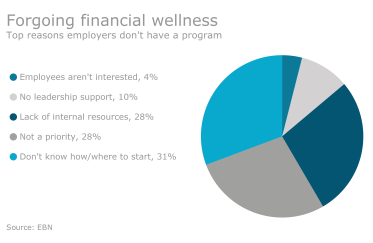
Although ROI for fiscal health programs is about 3:1, employers should measure participation to determine its success.
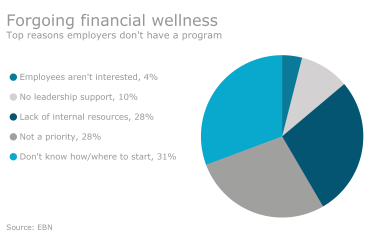
Although ROI for fiscal health programs is about 3:1, employers should measure participation to determine its success.
Instead of offsetting current healthcare costs, HSA providers are seeing workers prepare for their post-work medical expenses.
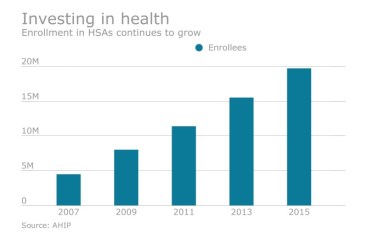
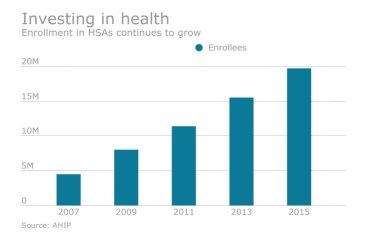
Instead of offsetting current healthcare costs, some employees are using these accounts for their post-work medical expenses.
Despite high participation numbers, many worry that federal and state workers still will not save enough.