Benefits Think

From LTC to future independence

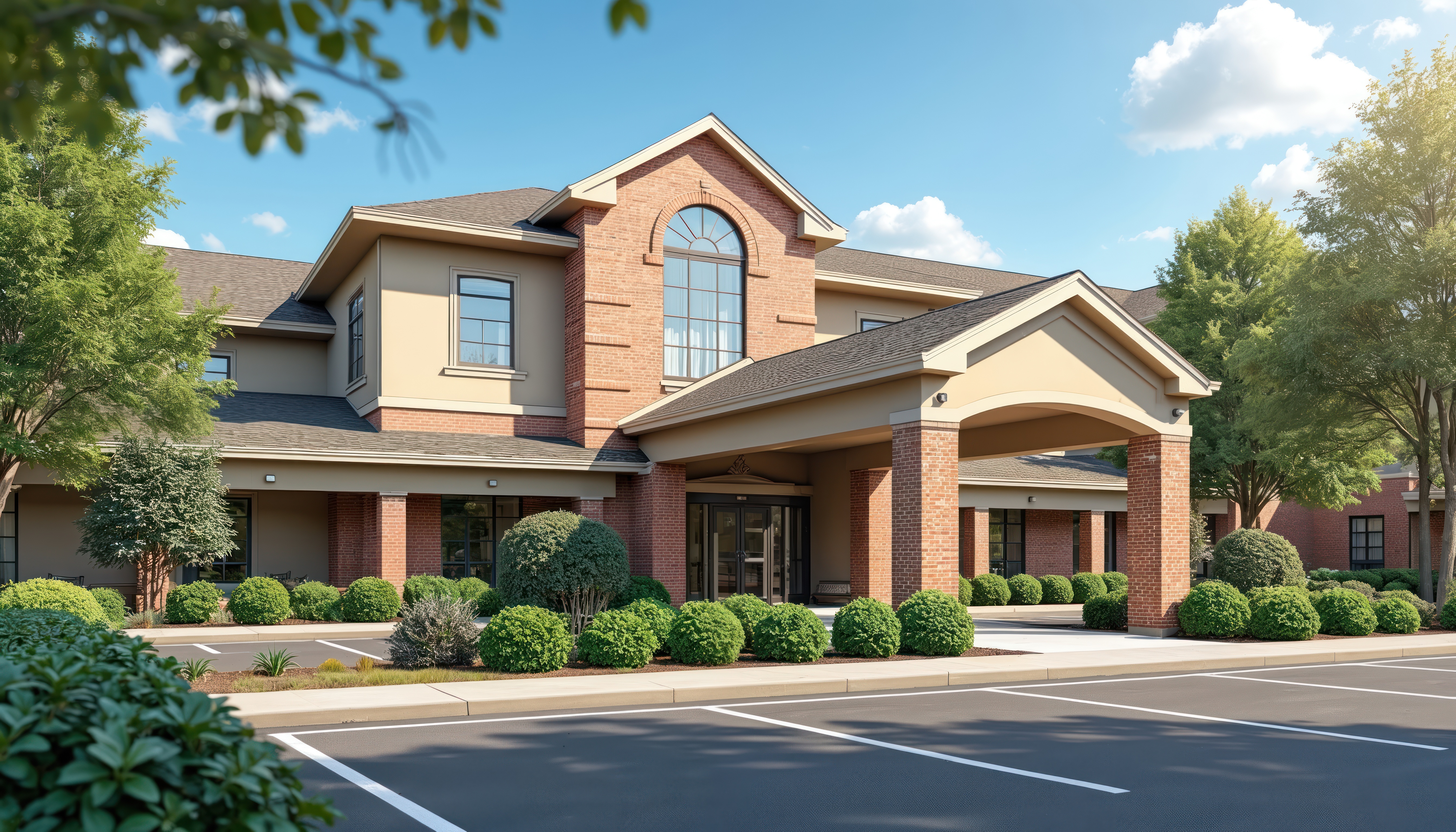
Exterior view of senior care facility with spacious parking lot, rich, green garden. Welcoming entrance features archway, brick columns, inviting visitors to comfortable retirement living environment.
Adobe Stock

For decades, long-term care (LTC) planning has carried the same heavy baggage for brokers, agents, consultants and clients alike. It's a conversation often rooted in dependency, institutional settings and reactive decisions made under the shadow of a crisis. It's a model built for a different time. 

Processing Content

But a fundamental shift is underway, driven by your clients. Gen X and younger boomers aren't interested in surrendering control. They're healthier, wealthier, more mobile and fiercely independent. They are not preparing to "age out." They're planning to live on their own terms. 

This change demands a new kind of conversation. It's no longer just about, "Who will take care of you when you can't?" The new, more powerful question is: "How do you stay in control of your life, lifestyle and legacy — no matter what happens?" 

That's not just wordplay. It's a fundamental change in intent that reframes our entire approach. We move from a focus on dependency to one on agency. From crisis response to proactive design. From discussing a family burden to facilitating family freedom. From planning for institutional care to preserving a chosen lifestyle. And crucially, from leading with an insurance product to building a comprehensive strategy. 

This is how the next generation of clients thinks. And for brokers, agents and consultants, this evolution from long-term care planning to future independence planning represents our most significant opportunity to add profound, sticky value. 

If we're honest, the LTC playbook has been centered on a product sale, usually an insurance chassis meant to fund an eventual care event. That's necessary, but it's no longer sufficient. It doesn't fully address what's happening in your clients' real lives: fewer adult children living nearby, more single-person households, a shrinking professional caregiver pool and costs that continue to outpace general inflation. 

Employees see these pressures inside their own families. They're asking better questions and they deserve a better planning paradigm. Future independence planning meets that moment. Instead of starting with a policy, it starts with the client's desired life and works backward. It's built around five integrated pillars that transform the client conversation and make the "sale" a byproduct of a much richer advisory relationship. 

  1. Lifestyle design comes first. It's about where your client will live and how they want to live, long before health or mobility forces the issue. For many employees, that might mean aging in place in a modified home, relocating to a walkable community or planning a "third act" that blends work, travel and flexibility. When you start with their environment, their connections and their sense of control, you're not talking about decline — you're talking about how they want to live. 
  2. Care strategy and continuum follow. It's about mapping out who provides support and under what conditions — removing chance from the equation. That might include in-home help, community-based services or higher-acuity settings, but now the client understands how those pieces fit together and when each might come into play. 
  3. Family role clarity comes next. It is where advisers can add tremendous, non-commoditized value. We have the unique ability to facilitate the critical discussions that remove guesswork, guilt and conflict for our clients' families. Guiding transparent conversations about who does what, who organizes care, who manages finances and how decisions will be made is invaluable. In many cases, the greatest fear isn't needing help — it's blindsiding loved ones because nothing was ever discussed or documented. 
  4. Financial architecture builds on this new foundation. It is where our core expertise meets this new vision. We're not just funding a potential care event; we're structuring assets, insurance, tax strategy and liquidity to fund independence itself. That can involve LTC and hybrid products, income planning, HSAs, disability and critical illness solutions and other tools that give clients optionality later, all coordinated around that original lifestyle picture. 
  5. The last piece involves the control and decision framework. This ensures the legal and logistical systems are in place so a client's choices are the ones that get executed. It includes powers of attorney, advance directives, health care proxies and beneficiary designations, as well as the practical mechanisms that allow the right people to act quickly when needed. Without this framework, even the best-funded plan can stall in confusion and delay at exactly the wrong time. This framework protects the outcome clients truly care about: maintaining autonomy for as long as possible without blindsiding their families. When you put all these elements together, it offers a fresh new way to differentiate yourself as an adviser. You're no longer competing on who has the best product, discount or rider. You're competing on the depth of your counsel and ability to orchestrate a coherent future independence strategy. 

This opens up a fresh, more engaging conversation with existing employer clients and prospects, especially those with aging workforces, remote employees and workers already stretched by caregiving responsibilities at home. It creates natural opportunities to collaborate with financial planners, estate attorneys and care managers, with you positioned as the connector at the center of the ecosystem. It also supports employee wellbeing and productivity by reducing the stress and absenteeism that come from unmanaged family care crises. 

In other words, this isn't just another voluntary benefit to bolt onto the shelf. It's a way of reframing how we talk about later-life planning so it aligns with how modern employees see themselves and their future. By adopting the future independence framework, we stop competing on product and start competing on the depth of our counsel. We become the architect of a plan that protects a client's life, not just their assets. 

The truth is simple. This isn't about helping clients live longer. It's about helping them live better, on their own terms. And for our community — whether broker, agent or consultant — that's not just a new service. It's the natural, necessary evolution of our profession. 


For reprint and licensing requests for this article, click here.
Healthcare Health and wellness
MORE FROM EMPLOYEE BENEFIT NEWS
Load More