Women are now leaning out in the workplace, Sheryl Sandberg says

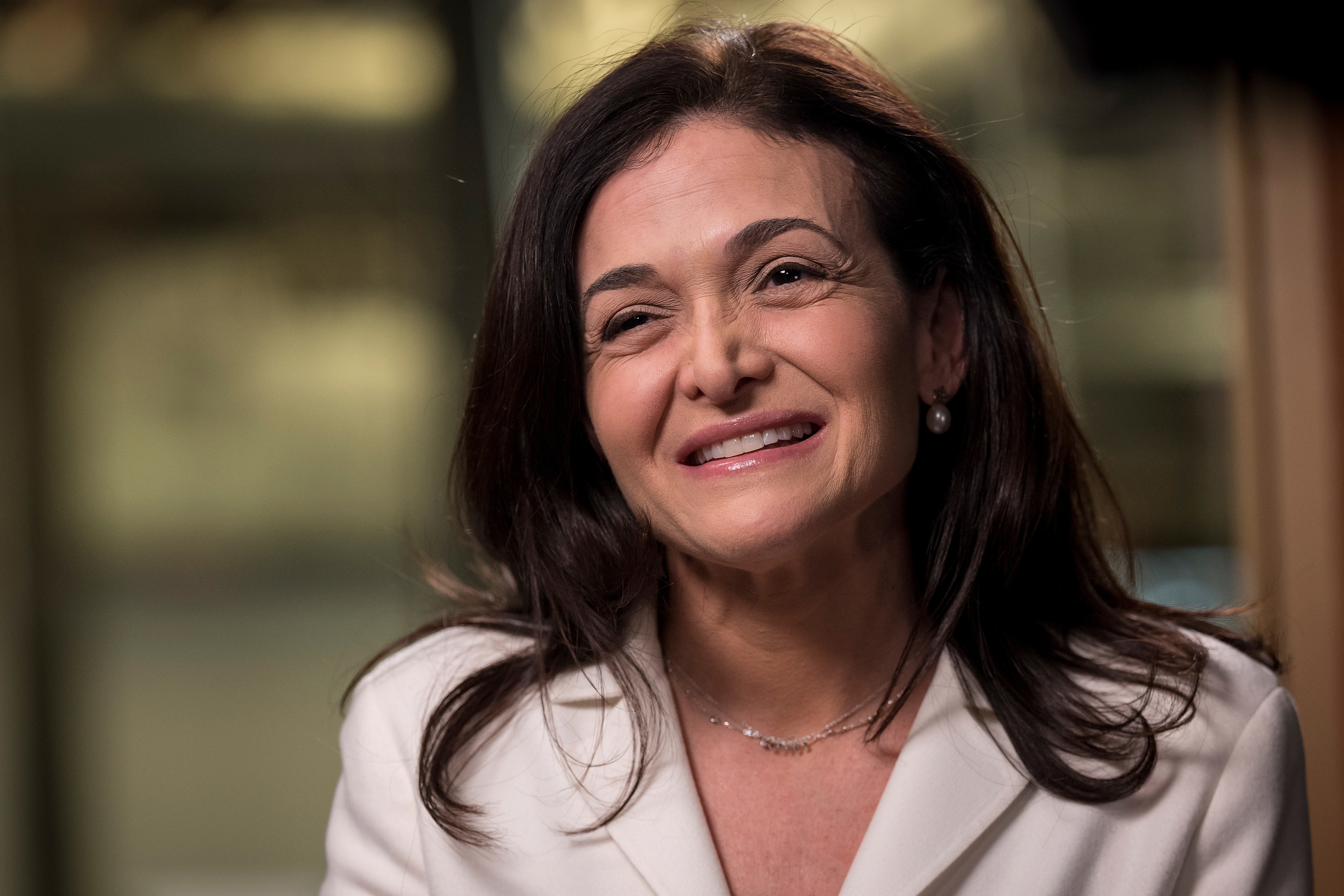
Sheryl Sandberg
Bloomberg Mercury

After years spent leaning in to get ahead at work, professional women are leaning out.

Women are less interested than men in getting promoted to the next level, reversing a decade-long trend, according to a new study released Tuesday by advocacy group LeanIn.org and consultant McKinsey & Co. Some 69% of entry-level women, 82% of mid-career, and 84% of senior female executives reported a desire to move up.

That compared to 80%, 86% and 92% of men at those same career points — the first such gap seen in the 11-year-old Women in the Workplace survey. In years past, women matched men in their desire for promotions.

What's changed? Sheryl Sandberg, the former Meta Platforms Inc. executive who encouraged women to work harder and more purposefully toward promotions in her 2013 book Lean In, says women's ambitions remain strong and it's their employers that have pulled support. About 20% of companies surveyed said they had no specific support for advancing women's careers, a reflection of a retreat from diversity, equity and inclusion programs that accelerated in Donald Trump's second administration.

"When companies don't do the right thing to support everyone in the workforce, they're causing women to lean out," Sandberg said in an interview.

Read more:  Organizations are bending to Trump's anti-DEI orders — and women are suffering

The survey of more than 9,500 employees between July and August — the largest such study of women in the U.S. workplace — indicates broader changes in workplace culture. When Sandberg's Lean In was first published, it sparked a movement but also drew criticism for placing the burden of advancement on women themselves. Myriad issues, from the pandemic to soaring child care costs, have led some women to rethink what success looks like — and whether it is worth chasing in systems that haven't evolved to support them.

The "ambition gap" captures a growing sentiment that the end doesn't justify the effort, according to Alison Taylor, clinical associate professor of Business and Society at the NYU Stern School of Business. A combination of waning workplace support and lack of affordable child care is prompting women to consider whether they want to work twice as hard, "shapeshift," and reorganize their lives for the current system, she said. 

"Every woman I speak to, it's not that they're not ambitious, it's just that they don't see a role for themselves in that mainstream kind of competition," Taylor said.

Read more:  The ROI of supporting women through menopause

The workplace study, which involved interviews with 62 human resources executives and information from 124 companies employing about 3 million workers, also found women remain significantly less likely to have a sponsor at work, while men are about twice as likely to have multiple advocates. Women at entry and mid-level roles also reported feeling less safe taking risks and speaking up than male workers in those categories.

As companies rethink their policies following Trump's directive to root out what he calls "illegal DEI," support for gender diversity fell to 67% in 2025 from a peak of 88% in 2017, the study found. More than 10% of companies reduced or discontinued programs for sponsorship, career development, and diversity training in the past 12 months, it said, noting that responsibilities at home and companies' decision to call workers back to the office are also hurting female workers.  

"Corporate America is signaling that they're kind of rolling back their commitment to women, and women themselves are signaling that they're feeling it," said Rachel Thomas, CEO of LeanIn. "Together, that's a recipe for disaster."

The report recommends that companies redouble efforts to ensure women have the same career support as men, broaden talent pools, improve sponsorship and inclusion resources, and boost employee resource groups. 

Bloomberg News
Employee retention Diversity and equality Workplace culture
MORE FROM EMPLOYEE BENEFIT NEWS