Marathon Health's benefits redesign led to a 30% increase in usage

Female doctor greeting someone on computer, virtual meeting
Adobe Stock
  • Key insight: Learn how holistic benefits redesign prioritizing access removes barriers and increases utilization.
  • Expert quote: Allison Velez, CPO: Leadership focus on access and communication turns benefits into cultural foundation.
  • Supporting data: Employee utilization of offerings rose 30% during the 2025 benefits year.
  • Source: Bullets generated by AI with editorial review

The employees at advanced primary care provider Marathon Health provide essential health services to people all over the U.S. To help them perform at their best, the company has increased access to benefits that cover essential areas of wellness.  

Processing Content

Marathon Health provides access to in-person, near-site and network centers, as well as virtual primary care options, and its workforce of 3,300 is a mix of on-site, hybrid and remote spread across 47 states. As such, meeting employees' needs can be complex, says the company's chief people officer, Allison Velez. 

"[This] complexity [has] added some challenges to how we think about benefits — what we offer, how we offer it and how we communicate," she says. "We have taken a very holistic look at the needs of our teammate population to understand what the areas of emphasis are, [which allows us to] focus on what they are needing and wanting for themselves and their families."  

Read more:  This therapist is helping shatter the stigma around mental health

Serving multiple areas of wellness

Marathon Health focuses on benefits that cover people's physical, mental and financial health.

"Health benefits are near and dear to our heart, especially given the business that we're in," she says. "But when we've looked at our population — for example, our workforce is 83% women — we take a very segmented approach to what teammates' needs are. [For example,] we're really focused on family-formation benefits, including addressing issues around infertility that tend to be an issue for our particular population, but also [things like] providing doulas and parental support." 

In addition to traditional benefits like 401(k) matching and medical plans, the company offers employees access to free services such as financial coaching and visits with its broad range of providers, as well as supplemental voluntary benefits. The goal of these is to break down cost and access barriers to important areas of care, Velez says. Time-based benefits like PTO that allow employees to prioritize their loved ones, hobbies and other important areas outside of work are also top of mind, she says. 

Accessible mental health resources are another high priority. Starting at the beginning of the year, Marathon began offering employees access to its LiveBetter program, which incorporates mental health care into its primary care model. 

"We are able to make a strong connection between our mental health providers and our primary care providers, because we're all operating in the same system using the same technology," says Velez. "People who need to see a mental health provider often cannot get in for weeks and sometimes months. That access issue is critical for us to be able to address. With LiveBetter, we're getting same- or next-day appointments, and that is a complete game changer." 

Read more:  2026 healthcare trends: Improving access to specialty care is becoming critical

Whether employees use this program or not, Marathon also started offering 100% coverage for both in- and out-of-network mental health providers for those on a PPO plan, and the same for those on a HDHP once any deductible has been reached, last January. 

Velez notes that communication and education about benefits is an essential part of their success, and the executive leadership is vocal about what is available and the importance of caring for oneself. The company also makes benefits a part of their all-hands meetings, and the benefits team has created year-round education sessions that are well-attended by staff. 

"One of the most successful initiatives we've had around this is a monthly session called For Your Benefit. It's led by our benefits team, and they do a deep dive on a very specific area of benefits offering that's available," says Velez. "Part of the reason this has been so impactful is we have a really phenomenal benefits team that brings a lot of energy and passion to the topic."

Thanks to increased access through this plan redesign along with ongoing communication, employee usage of these offerings has gone up by 30% during the 2025 benefits year.   

"We're extending those options and making access and cost issues something employees can move right past to get the care that they need," says Velez. "[Our] employee assistance program [is also] an important pillar for us. We have quite a bit of utilization there too, and we have a wide range of channels where people can access care that's in person or virtual." 

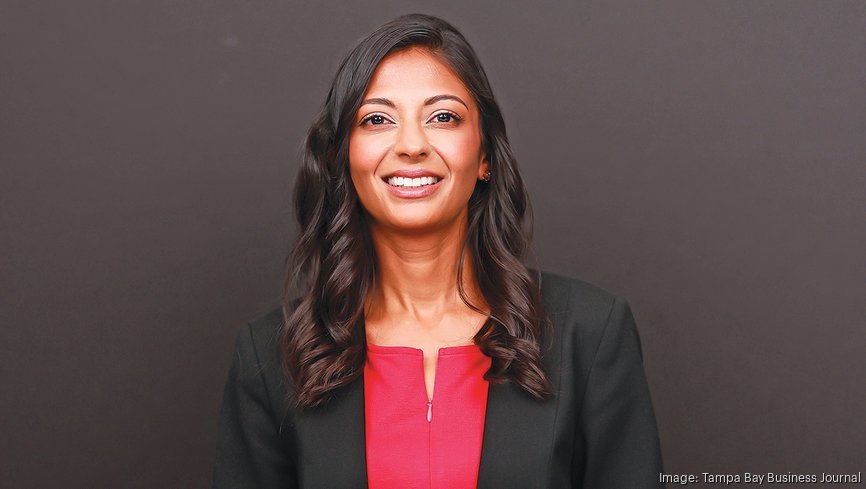
Allison Velez, chief people officer at Marathon Health

Read more:  Childhood trauma linked to major retirement shortfalls, study finds

Making wellness part of company culture

When leadership is intentional about wellness in the form of benefits, education and communication, it helps it to become a foundational part of the company culture, Velez says. 

"There are tactical things we all have to do as HR and benefits leaders, but cultural elements are the fuel that ignite how effective these offerings are," she says. "I love this analogy around mental health and wellness: Mental health is like Wi-Fi in the workplace; it's invisible, but when it's down, nothing's working right. You can have all the tools and processes, you can have strategies in place, but if people are feeling disconnected, if they're anxious, if they're overwhelmed, the whole organization slows down." 

Velez acknowledges that the journey to improving company culture is never complete, but that is motivation to continue finding more effective ways to care for and motivate employees, which she is looking forward to.

"Removing barriers and communicating to our employees about access to care has been our secret sauce to making this work," Velez says. "It's about understanding what we're trying to accomplish, what support we're trying to offer, what outcomes we're trying to drive, and then using multiple approaches to meet the varied needs of our teammate population."

For reprint and licensing requests for this article, click here.
Health and wellness Healthcare Financial wellness Employee retention
MORE FROM EMPLOYEE BENEFIT NEWS