What employers are missing in their workforce data
Healthcare, absence and productivity data can be used to help determine what employees need most from their benefits.


Follow Us
© 2026 Arizent. All rights reserved.

Healthcare, absence and productivity data can be used to help determine what employees need most from their benefits.
A six-month maternity leave didn’t get in the way of one woman’s career growth. Here’s what employers can learn from this scenario.

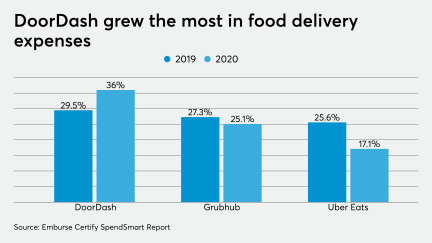
The novel coronavirus pandemic led to a transition from employer-provided meals to food delivery services arriving at employee homes, as workers all but eliminated their travel expenses, according to a new report.

When it comes to working from home, people’s thoughts automatically turn to Zoom. But there’s another game-changing tool that’s rapidly gaining traction in the telework arena.

The Internal Revenue Service projects that lower levels of employment in the U.S. could persist for years, showcasing the economic fallout of the coronavirus pandemic.


The COVID-19 pandemic has boosted employee use of telehealth services, giving employers an opportunity to reduce healthcare costs while simultaneously expanding offerings.

While it’s tempting to want to return to normal at work, employers must continue to show compassion and empathy if they hope to be successful during COVID-19 and beyond.


The Big Four firm says they wanted to recognize the challenges parents and caregivers are facing during the pandemic.

Non-white workers accounted for 73% of cases linked to 210 workplace outbreaks in Utah through early June, even though such employees made up only 24% of the workforce, according to the U.S. Centers for Disease Control and Prevention.

Experts suggest taking this compensation planning season to think about the resilience of your long-term incentive plans ─ especially in light of COVID-19.


Some Silicon Valley startups, hungry for young talent, have presented an alternative to school: a remote internship, aimed specifically at young people looking for alternatives to a dismal school year.

Employees are depressed and drinking on the job during the pandemic — a workplace expert identifies healthy solutions to help them cope.

More than 60% of employees say that they are experiencing greater stress than before the COVID-19 pandemic, according to MetLife. Employers must step up their support with flexible work hours, financial planning benefits and mental health resources.

Employees expect wellness programs that add value. Due to the ripple effects of COVID-19, those programs will need to be more flexible than ever.
A person will die by suicide every 20 seconds this year. Employers can be on the front lines to offer a lifeline to struggling employees.

From providing accessible tools to better employee training, here are some top strategies employers can employ to support staff with special needs.


ADA experts discuss the key things to consider before checking your employees’ temperature.

The pharmacy and retail giant partnered with the weight loss app Naturally Slim.

Returning to work during the COVID-19 pandemic requires striking a balance between safety and productivity. Here’s how employers in the healthcare, insurance and manufacturing industries did it.

Breather, a private workspace provider, offers employees a chance to take a break from their home offices, and a safer alternative to returning to work full time.