How employers can help Gen Z better understand and utilize their benefits
If employers want to attract and retain young workers, they’ll need to be proactive.


Follow Us
© 2026 Arizent. All rights reserved.

If employers want to attract and retain young workers, they’ll need to be proactive.
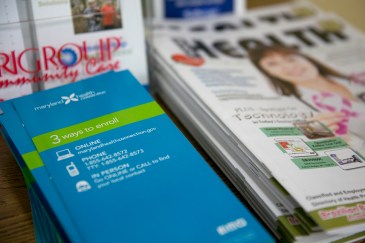
As COVID-19 initiated a shift to remote work, employees took a more robust look into their benefits during open enrollment periods, a trend that will continue in 2021.
Learn more about family-focused benefits and why your employees may need these programs.


Making sure all employees take advantage of parental leave can level the playing field in the workplace and shift the burden off of women.


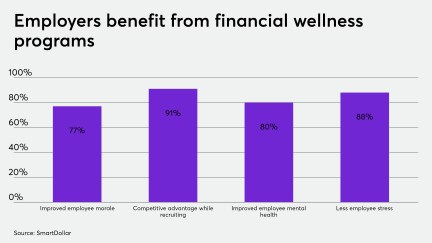
Employers have evolved and recognize the importance of discussing and supporting employee well-being.
The partnership offers the social networking app’s LGBTQ employees and their loved ones access to culturally competent healthcare.

Employers must take actionable steps to prove to their workforce that equality is a core part of their company culture.

Learn more about employees’ changing benefits needs and how employers can adapt to provide the optimal benefits experience.
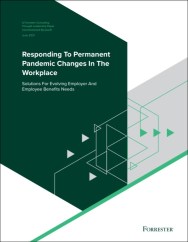
As employment transitions into a post-pandemic environment, companies are changing aspects of their mission, investing more resources into the well-being and mental health of their employees.
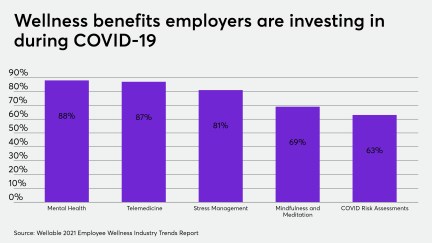
Even before demand for mental health services ratcheted up during the pandemic, it was often difficult for employees to access the care they needed.

Sixty-nine percent of working mothers plan to remain out of work to care for their children, according to a survey by TopResume.

Workplace norms are still rooted in traditional gender roles, and it’s up to employers to put a stop to the stigmas and stereotypes surrounding working mothers.

The pandemic pushed women out of the workforce. As job opportunities boom, employers will have to compete to win them back.


New perks and benefit programs show that employers are investing in their employees to help them succeed in and out of the workplace.

The COVID-19 pandemic has exacerbated employees' physical pain and employers' healthcare costs.

The majority of employees surveyed would be more likely to stay at a company that offered high-quality vision benefits.

Employers should be thinking more strategically about how their benefit offerings can integrate with each other to maximize the employee experience.

“There's a lot of different family journeys and people need support to get there,” says Paris Wallace, CEO of Ovia Health.

Voluntary benefits are playing a more critical role in helping employees achieve health and financial security.

The PERKS Marketplace lets employees shop for childcare services, massages and virtual therapy, fitness classes and even team building experiences.
