Leveraging benefits programs to grow employers’ EBITDA
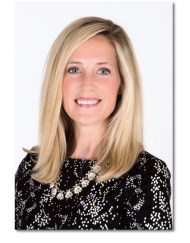
Adviser Kimberly Eckelbarger shows clients how to increase earnings by right-sizing their health plans.
Follow Us
© 2026 Arizent. All rights reserved.

Adviser Kimberly Eckelbarger shows clients how to increase earnings by right-sizing their health plans.
We rank the five leading large-group employee benefit insurance carriers in 17 different industrial sectors.

Participation among millennials has soared to 76%, according to Benefitfocus.

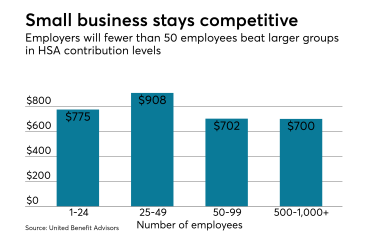
Often overlooked, the benefit could provide much-needed relief to employees who need income replacement.
These megadeals have the potential to restructure the industry and wring out some of its most egregious inefficiencies.
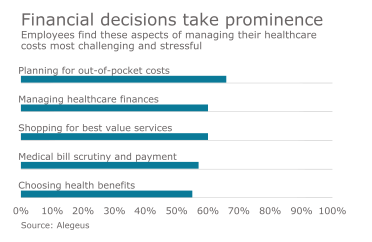
But a recent study finds that despite rising engagement levels making smart healthcare purchase decisions is still a struggle.
Fidelity Investments’ annual cost estimate is new motivation for employers to step up efforts in helping employees plan for medical expenses during their post-work years.
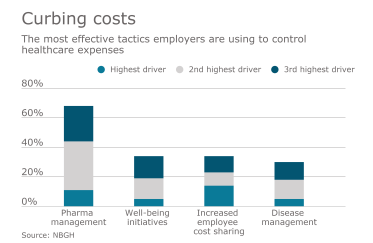
Workers are becoming better medical consumers, but could still use help from employers when it comes to understanding some of the finer details, NBGH says.

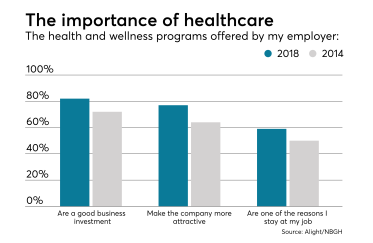
Participation rates are way up, presenting advisers with new opportunities.
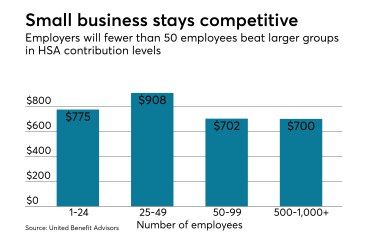
EBRI analysis of five surveys show enrollment trending down over the past decade, but bullish signs persist.
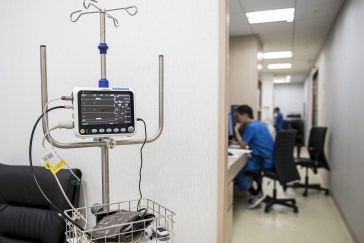
The 32-year-old vice president of the technology practice at Parker, Smith and Feek motivates employees to seek high quality providers for affordable procedures.

Rising Star in Advising Rachel Miner has been in the field for just over three years, fixed on improving transparency and health costs for her clients.
Some advisers are using this approach to help self-insured employers control costs. But it’s is not without controversy.

By helping employees make better choices, employers can get more out of their benefits investment.
This rural-Missouri adviser won deep discounts from local-area providers for the benefit of her self-funded and group captive clients.
A new report by Benefitfocus shows differences in healthcare cost across the U.S. and how HDHP participation continues to increase yet out-of-pocket cost continues to rise as well.
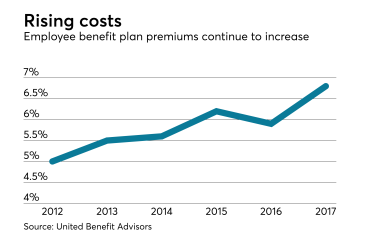
By helping employees make better choices, advisers can help clients get more out of their benefits investment.
Employers should consider these programs to help control medical expenses while maintaining employee coverage levels.
Tim Doherty, head of Pinnacle HR Solutions, seeks out employers with a strategic view of health benefits.
Employers should consider a number of major factors, including stop-loss coverage and reimbursement models, before making the move.