With financial stress rising, employers can offer these lifelines now
From emergency savings to retirement and AI-powered advice, employers are rethinking financial wellness as workers struggle to keep up with rising costs.


Follow Us
© 2026 Arizent. All rights reserved.

From emergency savings to retirement and AI-powered advice, employers are rethinking financial wellness as workers struggle to keep up with rising costs.
Some ultrahigh net worth clients would be affected by a change to retirement plan contribution and distribution rules that's under consideration in Congress.

There's value in having money in one place, but some 401(k) rules make rollovers more trouble than they're worth.
If wealth management clients have children who are recent college graduates, pointing them in the right direction on their first 401(k)s helps build strong connections with two generations.

The Department of Labor issued a safe harbor rule protecting benefit leaders as they navigate the added risk to retirement planning.


Experts suggest that process and disclosure matter more than ever in the face of class-action lawsuits alleging overpayments on voluntary benefits premiums.

A new SmartAsset study finds that retirement savings vary widely by state in 2026. See how your state ranks.

The focus of retirement planning is shifting, according to Morningstar experts, moving away from simple saving toward bespoke decumulation strategies and guaranteed lifetime income solutions.
See how Ramsey SmartDollar helps shifts financial wellness behaviors, not just numbers.

Built on a step-by-step plan, Ramsey SmartDollar is a financial wellness program that helps employees take control of their money.

Popular retirement withdrawal strategies like the 4% rule assume a steady rate of spending for retirees. But new research from J.P. Morgan shows that premise is often disconnected from reality.
Most borrowers use defined contribution plan loans for essential health and housing costs rather than discretionary spending, new EBRI research found.

Generation Z is favoring Roth accounts like no generation before, new Fidelity research shows.
The country's second-largest bank has unveiled a digital platform for retirement decisions — not on how to save, but how to disburse those savings in a steady, sustainable way.


Companies with 10 or more workers would have to contribute at least 50 cents per hour worked to each employee's retirement account.
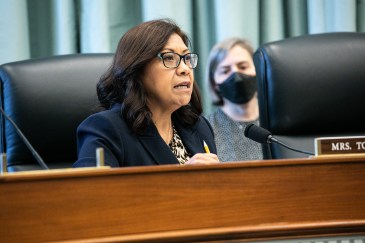
Considering expansion of employee access to retirement savings can help millions of Americans have a better chance at a financially secure future.

The industry asked for and received a delay in the rule from the IRS in 2023. Now that it's going into effect, here are the key implications for sponsors and savers.


Unaddressed, retirement discrepancies could have a negative impact on employees' saving strategies and set them up for failure.
An expert adviser explains the many considerations to take into account before deciding on this as an option for employees.

A new survey from financial services organization TIAA polled 1,000 adults and found that nearly half don't make enough money to save.