Retirement savings plans are using workers’ inertia to help them
A retirement savings wave that has been rolling stealthily across corporate America is gaining momentum.

Follow Us
© 2026 Arizent. All rights reserved.

A retirement savings wave that has been rolling stealthily across corporate America is gaining momentum.
The government should promote universal access to retirement savings and give workers more options for the spend-down phase of retirement, according to the study.


Safe harbor 401(k)s and cash-balance options can often maximize contribution levels while saving plan sponsors’ tax money.
The government should promote universal access to retirement savings and give Americans more options for the spend-down phase of retirement, according to the study.

The U.S. retirement age is rising, as the government pushes it higher and workers stay in careers longer.
Employees will be allowed to put an extra $500 into their 401(k) next year.

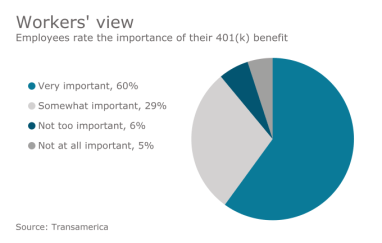
Experts say plan sponsors should educate workers about the retirement program and explain how it can help them for prepare for post-work years.
The Disaster Tax Relied and Airport and Airway Extension Act provide both hardship distribution tax relief and more generous participation loan rules for those living in areas hit by recent disasters.
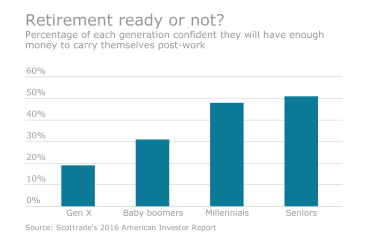
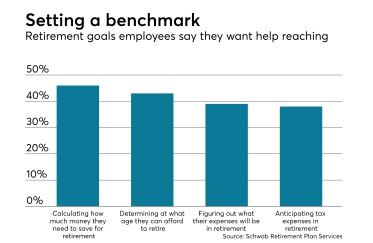
An average 50-year-old woman in New York should begin socking away 49% of her income to her retirement account in order to live comfortably in her golden years, according to UBS.

This person in New York should begin socking away 49% of her income to her retirement account in order to live comfortably in her golden years.

In one year, Betterment for Business has helped the company increase plan participation by more than 60%.

If a family contributes approximately $6,000 per year to an HSA, compounded at 6% growth for 20 years, that's $234,000 at retirement, says expert.

Increased engagement coupled with changing needs and an easier path to legal action put the onus on plan sponsors to ensure they can defend their strategy and investment choices.

If a family contributes approximately $6,000 per year to an HSA, compounded at 6% growth for 20 years, that's $234,000 at retirement, says expert.

Costs are increasingly transparent and plan sponsors want more for their buck.
The two should have set meetings to discuss outstanding issues, strategy and improvements to the retirement plan, explains defined contribution consultant Rhonda Berg.
Increased engagement coupled with changing needs and an easier path to legal action put the onus on plan sponsors to ensure they can defend their strategy and investment choices.
Costs are increasingly transparent and plan sponsors want more for their buck.
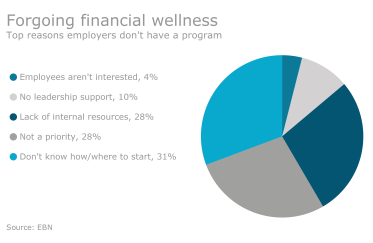
Although ROI for fiscal health programs is about 3:1, employers should measure participation to determine its success.
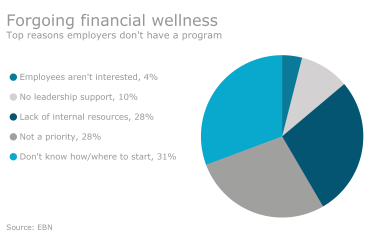
Although ROI for fiscal health programs is about 3:1, employers should measure participation to determine its success.